Afghan Women UK Study Visa Restrictions Leave Students Heartbroken
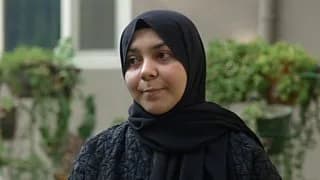
Afghan women UK study visa restrictions have dashed the hopes of students with UK university offers, raising concerns over education and future opportunities.
Afghan women UK study visa restrictions have shattered the educational ambitions of several Afghan students who had secured admission offers from British universities and hoped to continue their studies through international scholarships. The UK government's decision to suspend study visas for Afghan nationals has left many aspiring female students uncertain about their academic futures, professional careers and opportunities to escape the severe educational restrictions imposed by the Taliban.
One of the affected students, Shahira Sadat, a software engineer based in Kabul, had received admission offers for master's programmes in artificial intelligence and machine learning from the University of Sussex, the University of Bradford and Northeastern University London. She had also reached the interview stage for the prestigious Chevening Scholarship, which could have provided financial support for her studies.
However, her hopes were disrupted after she received notification that she would no longer be considered for study opportunities in the UK because of her Afghan nationality. Sadat had spent three years preparing applications and overcoming significant obstacles, including electricity shortages, internet disruptions and restrictions on women's education.
For her, studying in Britain represented more than an academic achievement. It was an opportunity to restart her professional career, gain advanced technical knowledge and build an independent future.
Why Has the UK Suspended Study Visas for Afghan Nationals?
In March 2026, the UK's Home Office announced an emergency visa brake affecting study visa applications from Afghanistan, Cameroon, Myanmar and Sudan. Skilled work visa applications from Afghan nationals were also suspended.
According to the British government, the decision was introduced in response to concerns about visa abuse and a significant increase in asylum applications associated with these visa routes. The restrictions have created uncertainty among Afghan students who had already invested considerable time and resources in securing university admissions, scholarships and other academic opportunities. The United States had also introduced restrictions on visas for Afghan nationals earlier in 2026, adding to concerns about the availability of international education and migration opportunities.
Taliban Restrictions Have Already Limited Women's Education
The visa suspension has particularly affected Afghan women, who are already facing severe restrictions under Taliban rule.
Women and girls in Afghanistan are prohibited from attending secondary schools and universities. They are also excluded from most forms of employment, significantly limiting their ability to pursue professional careers and achieve financial independence.
For many aspiring female students, international education has become one of the few remaining pathways towards advanced learning and professional development. Another affected student, identified as Alia to protect her identity, had received offers for a master's programme in digital media in the UK. However, her admission opportunities were withdrawn following the visa restrictions. She explained that the decision had left her feeling trapped, as educational opportunities were already extremely limited inside Afghanistan.
Afghan Students Overcome Significant Barriers to Pursue Higher Education
The experiences of Sadat and Alia highlight the additional challenges Afghan women face when applying to international universities. Some students have been forced to attend secret educational institutions to prepare for English-language examinations. Others have relied on online teachers based outside Afghanistan after local educational facilities were shut down.
Accessing authorised English-language testing centres has also become difficult, as some institutions are reluctant to admit female candidates because of restrictions imposed by the Taliban. In addition, students face difficulties getting their academic qualifications recognised by foreign universities. Frequent electricity cuts, internet disruptions and travel restrictions further complicate the application process.
Some Afghan applicants must also travel to neighbouring countries to complete visa procedures, creating additional financial and logistical challenges. Despite overcoming these obstacles, many now face the possibility of losing opportunities they had worked towards for years.
UK Government Points to Alternative Refugee Routes
Responding to concerns about the suspension, the UK's Home Office highlighted the reopening of the UK Resettlement Scheme for refugees, including Afghan women and girls.
The department also referred to plans for introducing named sponsorship and refugee study routes intended to provide safer pathways for displaced individuals to enter Britain and rebuild their lives.
However, questions remain about whether these routes will be accessible to Afghan women who are not officially classified as refugees but are seeking international education because of restrictions in their home country. The government has also not provided clarity on the number of places that may be available to Afghan applicants through these alternative pathways.
Asylum Figures Raise Questions About Student Visa Restrictions
The British government's decision has also been linked to concerns about asylum applications made by individuals entering through study visa routes.
According to figures shared by the Home Office with the BBC, between January and September 2025, the UK issued 360 study visas to Afghan nationals, while 470 asylum claims were linked to these visa routes. In 2024, the figures showed 470 study visas issued alongside 550 asylum claims associated with those routes. These numbers have become part of the government's justification for introducing stricter visa controls.
However, the restrictions have also affected students who say their primary objective was to pursue higher education and establish professional careers. Data from the Higher Education Statistics Agency indicates that fewer than 400 Afghan students were among more than 680,000 international students studying in the UK during the 2024–25 academic year.
International Education Opportunities Remain Uncertain
The visa restrictions have raised wider concerns about the future of Afghan women's access to international education. While opportunities remain available in parts of Europe, Asia and other regions, affected students fear that additional countries could introduce similar restrictions.
For Afghan women, the consequences extend beyond losing university admission offers. Limited access to education, employment and professional development has already created significant barriers to independence and personal growth. The experiences of students such as Shahira Sadat and Alia highlight the difficult position of women seeking education while facing restrictions both within Afghanistan and abroad.
As international governments reconsider their immigration policies, the challenge will be finding a balance between visa regulations and access to safe educational opportunities for individuals facing severe restrictions in their home countries. For many Afghan women, the possibility of studying abroad represents not just a degree, but a chance to rebuild their futures.
Source : https://www.bbc.com/news/articles/c6vg25e1v17wo
Follow The Global Biz Insider For More Such News .