Bangladesh Clothing Factory Strike Disrupts Garment Production
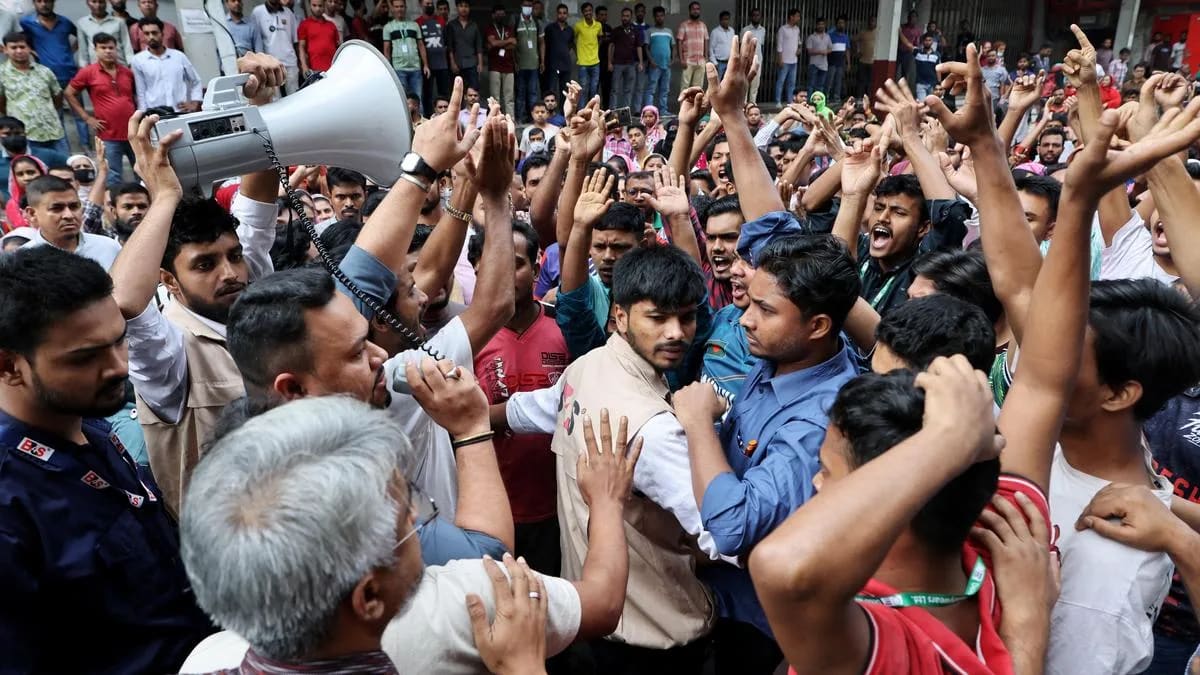
Bangladesh clothing factory strike disrupts garment production as workers demand higher wages, forcing factories to shut and raising concerns over textile expor
The Bangladesh clothing factory strike has intensified as thousands of garment workers protest against existing wage levels and demand better salaries to cope with rising living costs. The demonstrations have forced numerous clothing factories to suspend operations across major industrial areas, including Savar, Ashulia and Gazipur. The situation has created uncertainty for manufacturers, employees and international buyers who depend on Bangladesh for large-scale clothing production. Workers argue that their current salaries are no longer sufficient to cover essential expenses such as food, accommodation, transportation, healthcare and education. As protests continue, factory owners are facing increasing pressure to restore normal operations while negotiating with workers over their demands for improved wages and working conditions.
Garment Workers Demand Higher Monthly Salaries
At the centre of the Bangladesh clothing factory strike is a demand for a substantial increase in the minimum monthly wage. Garment workers are seeking a minimum salary of 30,000 Bangladeshi taka, compared with the existing minimum wage of 12,500 taka. Workers say the current wage structure does not reflect the rising cost of living and that their purchasing power has declined considerably over recent years. Many employees working in garment manufacturing facilities depend on monthly salaries to support their families, making rising food prices and housing expenses particularly difficult to manage. Workers believe that a higher minimum wage is necessary to improve their financial stability and ensure more sustainable working conditions.
The wage dispute has also highlighted the differences between workers' expectations and the financial concerns of factory owners. While employees are demanding better compensation, manufacturers are concerned about higher operating expenses, production costs and the competitiveness of Bangladesh's clothing exports. The disagreement has made negotiations increasingly challenging, with both sides facing pressure to reach an arrangement that allows factories to resume normal production without further industrial unrest.
Nearly 150 Factory Sites Affected by Industrial Unrest
The ongoing protests have significantly affected garment manufacturing operations in several industrial regions. Reports indicate that nearly 150 factory sites were affected by closures and production suspensions during the weekend. As of November 15, approximately 65 factories had been declared indefinitely closed under Section 13(1) of the Bangladesh Labour Act, while production had also been suspended at around 121 factories.
The legal provision allows factory owners to suspend operations under certain circumstances involving labour unrest. Such closures can create additional financial difficulties for workers, particularly when employees are unable to receive wages during the shutdown period. The situation has also affected transportation and daily activities in industrial areas, with demonstrators blocking the Dhaka-Tangail highway in Gazipur and causing temporary traffic disruptions. Police intervention was required to restore movement in the affected area.
The continuing factory shutdowns have raised concerns about the broader consequences of labour disputes in Bangladesh's manufacturing sector. Prolonged interruptions could affect production schedules, factory revenues and employment stability, particularly for workers who depend on regular factory operations for their monthly income.
Government Attempts to Resolve the Minimum Wage Dispute
The Bangladesh government has taken steps to address the growing wage dispute by establishing a minimum wage board on November 1. The board has been assigned the responsibility of reviewing the existing salary structure and recommending revised minimum wages for garment workers. Its recommendations are expected by the end of November, with the proposed revised wage structure anticipated to come into effect from December 1.
The wage board's discussions are expected to play an important role in determining whether the ongoing industrial unrest can be brought under control. Workers are seeking a substantial salary increase, while factory owners are looking for a wage arrangement that takes manufacturing costs and business conditions into account. The government faces the challenge of balancing workers' demands for better living standards with the need to protect the country's manufacturing sector and maintain employment opportunities.
A successful negotiation could help restore confidence among workers and manufacturers while reducing the possibility of further factory shutdowns. However, uncertainty surrounding the final wage recommendations continues to create pressure across the garment industry.
Bangladesh's Garment Industry Faces Growing Export Concerns
Bangladesh's garment industry is one of the country's most important economic sectors and a major source of employment and foreign exchange earnings. The sector employs approximately four million people and generates nearly $40 billion in annual export revenue. Bangladesh is also the world's second-largest exporter of ready-made garments after China, supplying clothing to major international retailers and fashion brands, including H&M, Primark and Zara.
The Bangladesh clothing factory strike therefore has implications beyond individual manufacturing facilities. International retailers depend on Bangladeshi factories for large volumes of clothing, and any prolonged disruption could affect supply chains, shipment schedules and delivery commitments. Manufacturers may struggle to complete orders on time if workers remain absent or production facilities continue operating below capacity.
The timing of the protests is particularly important because international retailers are preparing for the busy Christmas shopping season. Delays in garment manufacturing and shipping could create difficulties for businesses that depend on timely deliveries to meet seasonal consumer demand. If factory closures continue, international buyers may also consider alternative sourcing arrangements to reduce the risks associated with production uncertainty.
Factory Owners Warn of Financial and Operational Challenges
Factory owners are facing increasing operational pressure as demonstrations and production interruptions continue. The garment manufacturing business requires regular production schedules, coordinated labour availability and timely delivery of raw materials to meet international orders. When factories suspend operations, manufacturers may face financial losses, additional operating expenses and difficulties fulfilling existing contracts.
Industry organisations, including the Bangladesh Garment Manufacturers and Exporters Association (BGMEA) and the Bangladesh Knitwear Manufacturers and Exporters Association (BKMEA), have expressed concerns about the impact of continuing unrest on manufacturing facilities. Factory representatives have called for measures to protect industrial establishments and ensure that production can resume safely.
At the same time, workers maintain that their wage demands must be addressed to create a stable working environment. The disagreement reflects a wider challenge facing Bangladesh's garment industry: maintaining competitive production costs while ensuring fair compensation for millions of employees who support the country's export-driven manufacturing economy.
What Happens Next for Bangladesh's Clothing Industry?
The future of Bangladesh's garment manufacturing sector will largely depend on the outcome of negotiations between workers, factory owners and government representatives. The minimum wage board's recommendations could provide an opportunity to resolve the ongoing dispute and establish a revised salary structure that addresses workers' concerns.
However, restoring normal operations may require more than a wage announcement. Manufacturers will need to rebuild confidence among employees, address workplace concerns and ensure that production facilities can operate without further interruptions. Workers, meanwhile, will be looking for meaningful improvements in their earnings and living conditions rather than temporary measures.
The Bangladesh clothing factory strike highlights the growing importance of labour conditions in global manufacturing and international trade. With millions of workers depending on the garment sector and international retailers relying on Bangladeshi manufacturers, a prolonged dispute could have significant economic consequences. The coming weeks will be crucial in determining whether negotiations can bring stability to the industry or whether further factory closures will continue disrupting one of the world's largest garment-exporting economies.
Source : https://www.bbc.com/news/articles/cx5y1pzr9604o
Follow The Global Biz Insider For More Such News Articles ..