Belgium Strike Disrupts Flights and Train Services
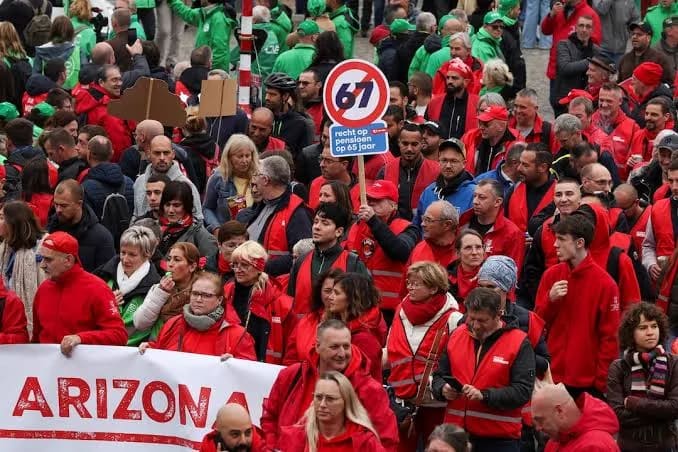
Belgium strike disrupts flights and train services as unions protest government austerity measures.
A nationwide Belgium strike has brought air and rail transportation to a standstill, with hundreds of flights cancelled and train services severely disrupted across the country. The industrial action is part of widespread protests against the government's proposed austerity measures, which unions argue could weaken social protections and affect workers' rights.
The disruption has affected major airports, including Brussels Airport and Charleroi Airport, while public transportation networks, schools and other essential services have also experienced interruptions. Thousands of passengers have been left facing travel difficulties, with more disruptions expected as the strike continues.
Brussels and Charleroi Airports Suspend Flight Operations
Brussels Airport, Belgium's largest international airport, has suspended all flight operations between 07:00 and 21:00 local time following strike action involving air traffic controllers.
The industrial action has also affected Charleroi Airport, an important hub for low-cost airlines, including Ryanair. With air traffic control services unavailable, aircraft cannot safely take off or land.
According to reports, more than 50,000 travellers have already been affected by the disruption, with additional passengers expected to face cancellations and delays.
Airport authorities had warned about the serious consequences of the planned industrial action before the strike began, advising passengers to check their flight information and contact airlines for updates.
Train and Public Transport Services Face Major Disruptions
The Belgium strike has extended beyond aviation, significantly affecting railway and public transportation services.
Train operations have been disrupted across the country, while underground and other public transport services in Brussels have also been halted or affected. The disruption coincided with a major protest march in Brussels, where thousands of demonstrators gathered to oppose the government's proposed economic policies.
Schools and several public services are also experiencing interruptions, highlighting the widespread impact of the industrial action on daily life and the country's transportation network.
Unions Oppose Government Austerity Measures
The protests are primarily directed against the austerity measures being considered by Prime Minister Bart De Wever's government.
The Belgian government is negotiating a budget with its coalition partners as it attempts to reduce borrowing costs and address public finances. However, the proposed spending cuts have generated strong opposition from major trade unions.
FGTB union leader Bert Engelaar argued that the government has alternative options to reduce financial pressure without dismantling the country's social protection system. He advocated measures such as introducing a wealth tax, ensuring fairer taxation and eliminating tax loopholes.
The Vooruit party, the only member of the five-party governing coalition reported to have stalled progress on the budget negotiations, has also called for higher taxes on wealthy individuals and fewer reductions in pension and healthcare spending.
Proposed Changes to Public Holidays Add to Opposition
Another major concern raised by trade unions involves proposed changes to public holidays.
CSC union leader Ann Vermorgen criticised government plans to reduce bank holidays when they fall on weekends. Trade unions argue that such measures could negatively affect employees and weaken existing workplace protections.
The disagreement reflects broader concerns about the government's approach to public spending, taxation, pensions and social welfare.
Political Pressure Mounts on Prime Minister Bart De Wever
The nationwide protests are taking place during a challenging period for Belgium's coalition government.
Prime Minister Bart De Wever continues discussions with coalition partners to reach an agreement on the national budget. Earlier this month, King Philippe declined to accept his resignation, giving him additional time to negotiate a solution.
The ongoing disagreement over spending reductions and taxation has increased political pressure on the government, with trade unions demanding changes to its economic approach.
What the Belgium Strike Means for Travellers and Businesses
The widespread transportation disruption could have consequences beyond individual travel plans.
Airline cancellations, railway interruptions and reduced public transport availability may affect tourism, business travel, logistics and other economic activities.
Passengers travelling through Brussels and Charleroi airports may need to rearrange their journeys, while commuters could face difficulties reaching workplaces and educational institutions.
The disruption also highlights how large-scale industrial action can affect critical infrastructure and economic activity when disagreements between governments and workers' organisations remain unresolved.
Conclusion
The Belgium strike has caused significant disruption to the country's transportation network, grounding hundreds of flights and affecting railway and public transport services. While unions continue to oppose the government's proposed austerity measures, negotiations over the national budget remain a major political challenge.
The coming days will be important in determining whether the government can reach an agreement with its coalition partners and address the concerns raised by workers and trade unions.
As the situation develops, travellers and businesses will be watching closely for updates on transportation services and the outcome of the ongoing political negotiations.
Source : https://www.bbc.com/news/articles/cwdr155e2d05o
Follow The Global Biz Insider For More Such News .