Canada Emergencies Act Appeal: Supreme Court to Hear Case
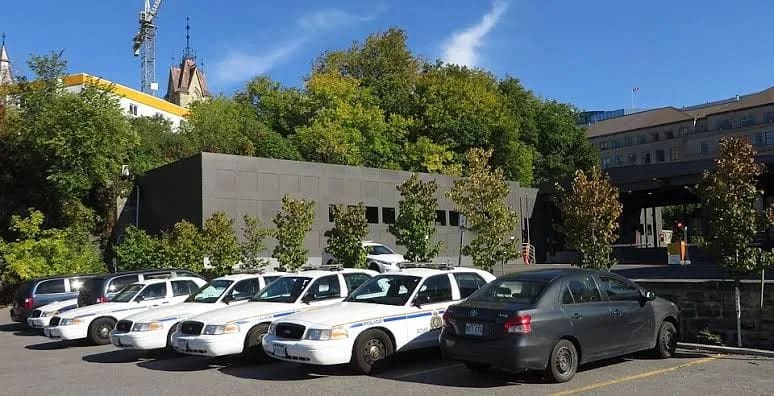
The Canada Emergencies Act appeal will go before the Supreme Court as the federal government challenges rulings over the 2022 Freedom Convoy protests.
The Canada Emergencies Act appeal is moving to the Supreme Court of Canada, bringing renewed attention to the federal government’s decision to invoke extraordinary emergency powers during the 2022 Freedom Convoy protests. The court will examine the government’s legal justification for the measures imposed to address demonstrations and blockades in Ottawa and at key Canada–United States border crossings.
The case follows two significant lower-court rulings that found the federal government’s decision to invoke the Emergencies Act unreasonable. The Supreme Court proceedings could have important implications for how future Canadian governments respond to large-scale public disturbances and how courts review decisions made during emergencies.
According to a report by Global News, published by The Canadian Press, the federal government is challenging the reasoning used by the lower courts, arguing that their approach improperly second-guessed the decisions made by officials at the time.
Background: The 2022 Freedom Convoy Protests
The legal dispute dates back to January and February 2022, when the Freedom Convoy demonstrations brought significant disruption to downtown Ottawa. Protesters, including truck drivers, gathered to oppose COVID-19 restrictions and express wider grievances against the government led by then-prime minister Justin Trudeau.
The demonstrations continued for several weeks, with large trucks blocking streets near Parliament Hill. Separate blockades also disrupted important border crossings, including routes in Windsor, Ontario, and Coutts, Alberta.
The protests affected local residents and businesses and created significant challenges for law enforcement and public authorities.
On February 14, 2022, the federal government invoked the Emergencies Act, enabling temporary measures intended to restore public order. These measures included restrictions on certain public assemblies, the designation of protected areas, and financial measures allowing banks to freeze accounts associated with designated individuals.
The decision marked the first use of the Emergencies Act since it replaced the War Measures Act in 1988.
Why the Lower Courts Rejected the Government’s Decision
The government's use of emergency powers faced legal challenges from civil liberties organizations, including the Canadian Civil Liberties Association and the Canadian Constitution Foundation.
In January 2024, the Federal Court ruled that the decision to invoke the Emergencies Act was unreasonable and was not adequately supported by the relevant legal and factual circumstances.
In January 2026, the Federal Court of Appeal upheld that decision. The appeal court concluded that the protests and blockades, despite their serious disruption, did not meet the required threshold for declaring a public order emergency.
The rulings also raised concerns about the impact of the emergency measures on constitutional rights, including freedoms of expression and peaceful assembly.
The federal government now wants the Supreme Court to reconsider how the lower courts assessed the decision.
Federal Government Argues Courts Applied the Wrong Legal Test
In its submission to the Supreme Court, the federal government argued that the lower courts applied the wrong principles when reviewing the government's decision.
According to the government's position, judges should have assessed whether federal officials acted reasonably based on the information available when the emergency was declared, rather than evaluating the decision through the benefit of hindsight.
The government has argued that the lower courts' approach could restrict the ability of future governments to respond effectively to serious public-order crises.
It maintains that emergency measures were targeted, proportionate and temporary, and that the government needed appropriate tools to address the disruption caused by the protests and border blockades.
However, these arguments remain contested. The civil liberties association has opposed the government's request, arguing that the Supreme Court should not reopen issues already considered and rejected by the lower courts.
The Supreme Court's decision to hear the appeal gives both sides an opportunity to present their legal arguments. It does not, by itself, overturn the earlier judgments.
What the Supreme Court Case Means for Civil Liberties
The case raises a fundamental question about the balance between public safety and individual freedoms.
Governments may need exceptional powers to respond to serious emergencies, but those powers are subject to legal limits. The Emergencies Act establishes conditions that must be met before the federal government can declare a public order emergency.
The dispute centres on whether those conditions were satisfied during the Freedom Convoy protests and how much deference courts should give to government decisions made during a rapidly developing crisis.
Civil liberties advocates argue that independent judicial scrutiny is essential to prevent governments from exercising extraordinary powers without sufficient legal justification.
The government, meanwhile, argues that courts should recognize the difficult circumstances under which emergency decisions must sometimes be made.
The Supreme Court's eventual ruling could clarify the relationship between executive decision-making, judicial review and constitutional protections in Canada.
Potential Implications for Future Emergencies
The outcome could influence how Canadian authorities approach future protests, major blockades and other public-order challenges.
If the Supreme Court sides with the federal government, its reasoning could clarify the degree of flexibility governments have when determining whether emergency conditions exist. It could also affect how courts review similar decisions in the future.
If the court upholds the lower-court rulings, it could reinforce the requirement that the federal government demonstrate a sufficient legal basis before invoking extraordinary emergency powers.
Either outcome could become an important reference point for future disputes involving government authority and civil liberties.
The case is also significant beyond the immediate circumstances of the Freedom Convoy. It concerns the safeguards that operate when governments use powers capable of restricting public gatherings and affecting individuals' financial activities.
What Happens Next?
The Supreme Court of Canada will hear arguments from the federal government and the parties challenging its actions. The proceedings are expected to examine the statutory requirements for invoking the Emergencies Act, the appropriate standard of judicial review and the constitutional implications of the emergency measures.
The final judgment will determine whether the earlier decisions rejecting the government's use of the legislation stand or require reconsideration.
Until the Supreme Court delivers its ruling, the legal dispute remains unresolved.
Conclusion
Canada's Emergencies Act appeal represents a major legal test of the government's authority to respond to large-scale public disturbances. The Supreme Court's review will examine not only the events of the 2022 Freedom Convoy protests but also the limits of emergency powers in a constitutional democracy.
For Canada, the central challenge is finding a balance between protecting public order and preserving the rights and freedoms guaranteed to its citizens. The court's eventual decision could shape that balance for years to come.
Source: https://globalnews.ca/news/12113125/supreme-court-emergencies-act/
Follow The Global Biz Insider .