China Sees Record Political Purges as Xi Jinping Emphasises Party Discipline
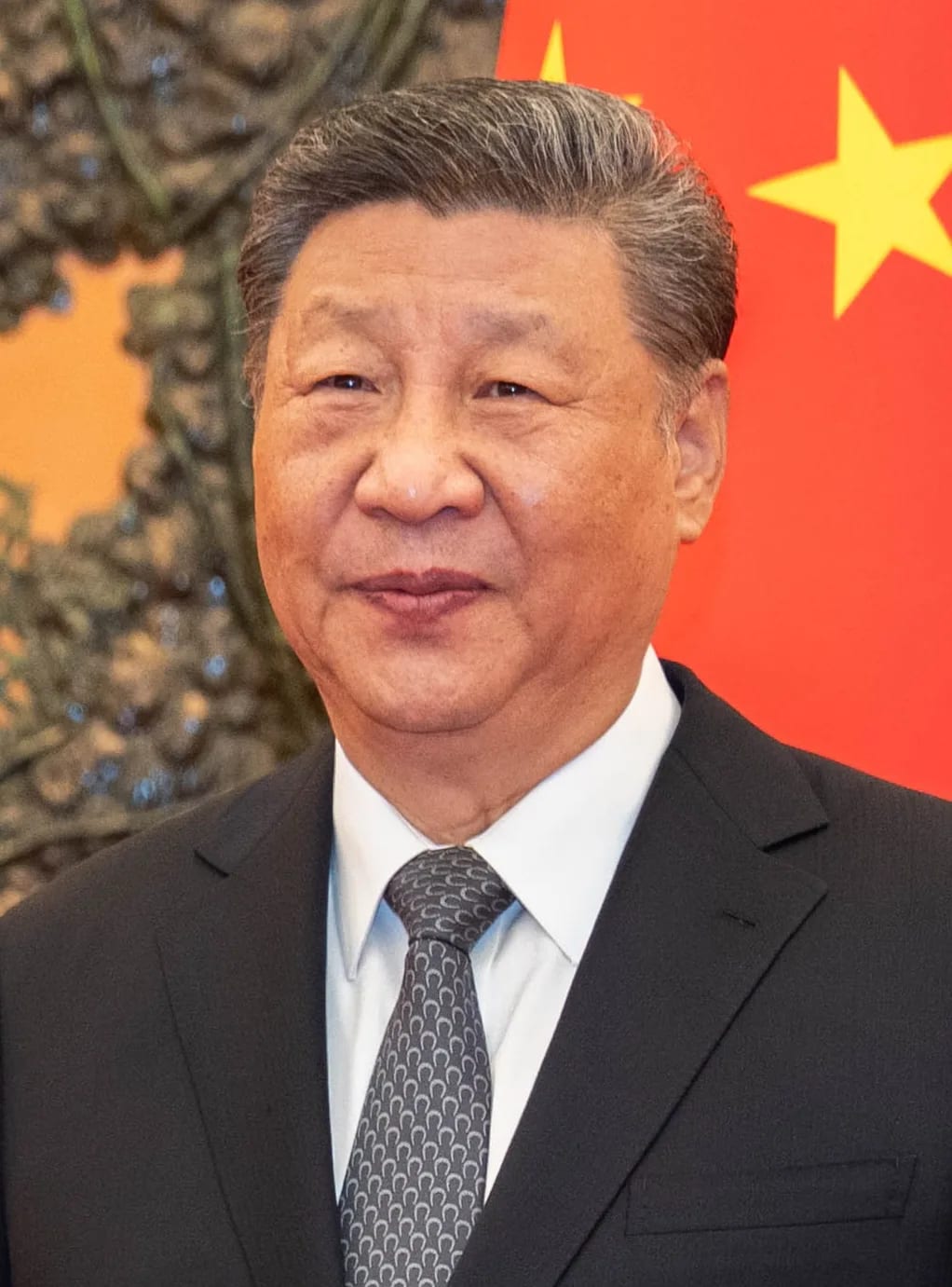
China reports a record number of political purges as Xi Jinping intensifies party discipline, renewing debate over anti-corruption and political power.
China’s President Xi Jinping is intensifying his focus on party discipline as the country reports a record number of political purges, raising fresh questions about power, governance, and political accountability within the Chinese Communist Party (CCP). The developments highlight the continuing importance of Xi’s anti-corruption campaign, which has become a major feature of his leadership and an important tool for maintaining control over the party and state institutions.
Xi Jinping’s Anti-Corruption Campaign and Political Purges
Since coming to power, Xi Jinping has made fighting corruption a central priority of his administration. The campaign has targeted officials across different levels of government and the military, with authorities presenting it as an effort to improve discipline, strengthen public trust, and eliminate misconduct within the party. However, observers have also argued that the campaign has helped Xi consolidate his political authority and reinforce loyalty to the central leadership.
The latest reports of a record number of purges suggest that party discipline remains a significant concern for the Chinese leadership. Officials accused of corruption, misconduct, or violations of party rules may face investigations, disciplinary action, or removal from their positions. These measures demonstrate the Communist Party’s determination to maintain strict internal control and ensure that its members follow established political and administrative expectations.
Why Party Discipline Matters in China
The Chinese Communist Party plays a dominant role in the country's political system, and party discipline is essential to maintaining its organisational structure. Officials are expected to follow party directives, demonstrate loyalty to the leadership, and comply with internal regulations. Disciplinary investigations can therefore have consequences not only for individual officials but also for the broader political environment.
Under Xi Jinping, the emphasis on discipline has become closely connected to political loyalty and the centralisation of decision-making. Supporters of the campaign argue that strong enforcement can discourage corruption, improve administrative efficiency, and prevent officials from abusing their authority. Critics and political observers, meanwhile, question whether the campaign also serves to sideline potential rivals and strengthen the position of the country's top leadership.
The Political Significance of Xi Jinping’s Leadership
The continuing anti-corruption drive reflects the broader transformation of China's political landscape under Xi Jinping. His leadership has placed considerable emphasis on strengthening the Communist Party, reinforcing ideological discipline, and ensuring that government institutions remain aligned with the party's priorities.
The removal or investigation of senior officials can also create uncertainty within political and administrative institutions. When officials face disciplinary scrutiny, other members of the party may become more cautious in their decisions and public statements. Although this can encourage compliance with official rules, it may also affect internal debate, policy implementation, and the willingness of officials to take responsibility for difficult decisions.
For international observers, developments within the Chinese Communist Party are important because China plays a major role in global trade, investment, technology, security, and diplomacy. Changes in political leadership or internal party priorities can influence how the country approaches domestic economic challenges and its relationships with other nations.
What the Latest Purges Could Mean for China
The growing emphasis on party discipline raises important questions about the future direction of Chinese governance. On one hand, continued investigations may reinforce the leadership's message that corruption and violations of party rules will not be tolerated. On the other hand, the scale and political implications of these measures have prompted debate about the balance between accountability, institutional stability, and the concentration of power.
The longer-term impact will depend on how investigations are conducted, whether disciplinary standards are applied consistently, and how the campaign affects the functioning of government institutions. The number of officials investigated or removed is an important indicator, but it does not by itself establish whether corruption has declined or governance has improved.
Conclusion
China’s record number of political purges underscores the continuing importance of Xi Jinping’s anti-corruption campaign and his emphasis on party discipline. While the Chinese leadership presents these efforts as necessary for strengthening governance and maintaining political integrity, observers continue to examine their implications for power and accountability within the Communist Party.
As China moves forward, the relationship between anti-corruption measures, political loyalty, and centralised leadership will remain an important issue for understanding the country’s domestic politics and its broader role in international affairs.
Source: BBC News – Record number of purges
Follow : https://globalbizinsider.com/