Coral Reef Collapse by 2075: Climate Change Threatens 96% of Reefs
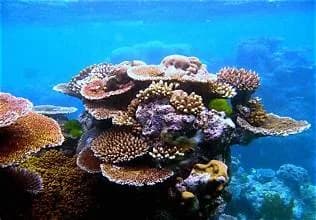
A 2026 IUCN assessment warns that 96% of shallow-water coral reef ecosystems could collapse by 2075. Explore the causes, impacts and conservation solutions.
Coral reefs around the world are facing an alarming future as rising ocean temperatures and climate change threaten their survival. A new global assessment by the International Union for Conservation of Nature (IUCN), released in October 2026, warns that approximately 96% of the world's shallow-water coral reef ecosystems could face collapse by 2075. The findings highlight the urgent need for stronger climate action, marine conservation and sustainable environmental practices to protect some of the planet's most valuable ecosystems. According to the assessment, climate change remains the most consistent threat to coral reefs, with increasing ocean temperatures and marine heatwaves accelerating their decline. <Cite refs={["turn458591search2","turn458591search4"]}/>
Climate Change Emerges as the Biggest Threat to Coral Reefs
Coral reefs are highly sensitive to changes in ocean temperature. When seawater becomes unusually warm, corals experience stress and may expel the tiny algae living inside their tissues. These algae provide much of the energy corals need to survive and give them their vibrant colors. This process, known as coral bleaching, leaves corals pale and vulnerable to starvation, disease and death if stressful conditions continue for too long. As global temperatures rise, marine heatwaves are becoming a major concern for coral reef ecosystems worldwide.
The latest IUCN assessment examined 127 tropical and subtropical ecological regions, covering approximately 188,362 square kilometers of coral reefs. Its findings suggest that the threat extends across some of the world's most important reef systems, including Australia's Great Barrier Reef, the Coral Triangle in Southeast Asia and the western Pacific, the Mesoamerican Barrier Reef System, and coral reefs in the Red Sea. These ecosystems support extraordinary marine biodiversity and play an essential role in maintaining the health of ocean environments. <Cite refs={["turn458591search2","turn458591search4"]}/>
Why Coral Reef Ecosystems Are Important
Coral reefs are often described as the rainforests of the sea because they support a remarkable variety of marine life. Although they occupy a relatively small portion of the ocean floor, they provide habitats, breeding grounds and feeding areas for numerous fish species, crustaceans, mollusks and other marine organisms. Healthy reefs help maintain marine food chains and contribute to the overall stability of ocean ecosystems.
Beyond their environmental importance, coral reefs support the livelihoods of millions of people around the world. Coastal communities depend on reef ecosystems for fisheries, tourism and other economic activities. Coral reefs also act as natural barriers that reduce the force of waves, helping protect coastlines from erosion and storm damage. Their continued decline could therefore create serious consequences for marine biodiversity, food security, coastal infrastructure and local economies.
Other Factors Contributing to Coral Reef Decline
Although climate change is identified as the primary global threat, several local pressures are making coral reefs more vulnerable. Overfishing can disrupt marine food chains and remove fish that help control algae growth. Pollution from agricultural runoff, untreated wastewater, plastics and coastal development can further damage sensitive reef habitats. Sedimentation caused by construction and land-use changes may also reduce the sunlight available to corals and interfere with their growth.
These pressures can weaken reefs and reduce their ability to recover after bleaching events. When hard corals disappear, algae, rubble and sponges may increasingly dominate the affected areas, transforming the structure and function of the ecosystem. Such changes can reduce habitat quality for marine species and diminish the benefits reefs provide to coastal communities. Reducing local environmental pressures is therefore an important part of protecting coral reefs, even as governments work to address global warming.
New Research Highlights the Growing Risk to Coral Species
The warning about ecosystem collapse comes shortly after another major coral conservation study published in the journal Nature in October 2026. That assessment found that 340 of the 774 reef-building coral species with sufficient data for evaluation were threatened with extinction, representing approximately 44% of the species assessed. Researchers identified climate-driven heat stress as the leading factor contributing to the increased extinction risk.
The study also noted that its findings were based on data available up to 2020 and did not fully capture the effects of the global coral bleaching event of 2023–2025. This means the present situation could be more serious than the assessment initially indicated. Together, the two assessments demonstrate the scale of the challenges facing coral reefs, from the potential collapse of entire ecosystems to the growing risk of losing individual coral species. <Cite refs={["turn458591search0","turn458591search1"]}/>
Can Coral Reefs Still Be Saved?
Despite the alarming projections, scientists and conservation organisations stress that coral reefs have not been lost everywhere. Some reef systems contain resilient coral populations that may survive difficult conditions and support future recovery. However, protecting these areas requires urgent and coordinated action to reduce the pressures responsible for reef decline.
Reducing greenhouse gas emissions is essential to limiting further ocean warming and lowering the frequency and intensity of marine heatwaves over time. Governments can also strengthen marine protected areas, improve fisheries management, control pollution and regulate coastal development. Reef restoration projects, scientific monitoring and the protection of coral populations that show greater resilience to heat stress can complement these broader efforts.
International cooperation will be particularly important because coral reef ecosystems cross national boundaries and are affected by global environmental changes. Investment in conservation research and community-led protection programmes can help scientists and local communities identify effective strategies for preserving reef biodiversity and supporting long-term ecosystem recovery.
The Role of Individuals and Coastal Communities
Individuals can also contribute to coral reef conservation through responsible environmental choices. Reducing plastic waste, avoiding damage to marine habitats while travelling, supporting sustainable seafood practices and choosing responsible tourism operators can help reduce some local pressures on reef ecosystems. Communities living near coral reefs can play an important role by participating in coastal cleanups, supporting sustainable fishing practices and reporting environmental damage.
Education and public awareness are equally important. Understanding the relationship between greenhouse gas emissions, ocean warming and coral bleaching can encourage greater support for climate policies and marine protection initiatives. While individual actions alone cannot resolve the global coral crisis, they can contribute to wider efforts when supported by effective policies, business responsibility and international cooperation.
Conclusion
The warning that 96% of shallow-water coral reef ecosystems could face collapse by 2075 is a serious reminder of the consequences of climate change and continued environmental damage. Coral reefs are essential to marine biodiversity, coastal protection, food supplies and the economic well-being of communities across the world. Their decline would have far-reaching effects on both nature and human society.
However, the future of coral reefs is not yet predetermined. Rapid reductions in greenhouse gas emissions, stronger marine conservation measures, sustainable fishing and effective pollution control could improve the chances of survival for many reef ecosystems. The decisions made by governments, businesses and communities over the coming years will be crucial in determining whether these underwater habitats can recover or face further deterioration. Protecting coral reefs must therefore remain a global environmental priority.
Source : https://wtop.com/national/2026/10/almost-all-c
Follow : Global Biz Insider