Crimea Bridge Attack: Ukraine Strikes Kerch Bridge as Russia Targets Kyiv Crossings
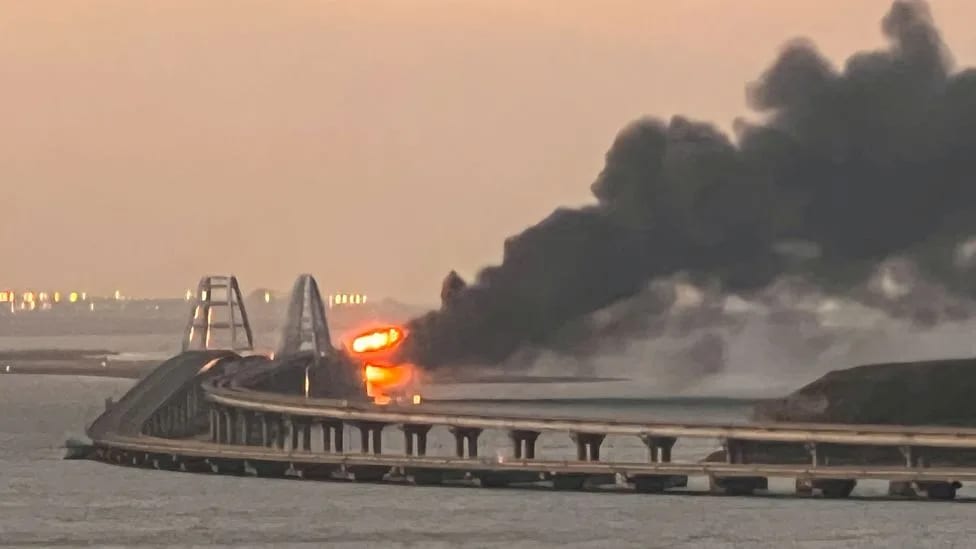
Ukraine reportedly strikes the Crimea Bridge as Russia attacks major Kyiv crossings, escalating tensions in the ongoing Russia-Ukraine war.
The ongoing Russia-Ukraine war has entered another tense phase following reports of a Ukrainian strike on the strategically important Kerch Bridge connecting Russia to Crimea. The bridge was reportedly shut after the incident, while Russia launched attacks targeting crossings in Kyiv, highlighting the continued escalation of military operations between the two countries. These developments underline the growing importance of infrastructure and transport networks in the conflict, as both sides continue to target locations that play a significant role in military logistics and civilian movement.
Why the Kerch Bridge Is Strategically Important
The Kerch Bridge, also known as the Crimea Bridge, is one of the most important transport links connecting mainland Russia with the Crimean Peninsula. Stretching approximately 19 kilometres across the Kerch Strait, the structure carries both road and railway traffic. Since its inauguration in 2018 by Russian President Vladimir Putin, the bridge has become a major symbol of Moscow's control over Crimea.
Beyond its political significance, the bridge has played an important role in transporting supplies, equipment and personnel. Its disruption could complicate Russian logistical operations and increase the pressure on alternative supply routes through occupied southern Ukraine. The latest attack therefore represents more than damage to a transport structure; it also carries military and political implications for the Kremlin.
Ukraine's Strategy Against Russian Infrastructure
Ukraine has increasingly targeted important Russian infrastructure as part of its broader military strategy. Attacks on oil refineries, fuel depots and transportation networks are intended to weaken Russia's logistical capabilities and increase the economic costs of continuing the war.
Ukrainian President Volodymyr Zelensky reportedly confirmed the latest operation against the Kerch Bridge, describing it as part of a coordinated campaign. Ukrainian officials said the operation involved several stages aimed at weakening Russian air defence and other protective systems before striking the bridge. However, the full extent of the damage and its long-term consequences remain subject to further assessment.
Russia's Attacks on Kyiv Bridges Create Civilian Disruptions
While Ukraine targeted the Crimea Bridge, Russian forces reportedly attacked two major bridges in Kyiv, the Northern and Southern bridges, which cross the Dnipro River. These structures are important transport connections for millions of residents travelling between different parts of the Ukrainian capital.
According to Kyiv Mayor Vitali Klitschko, the attacks damaged critical infrastructure and disrupted parts of the city's transportation network. Some underground and above-ground transport services were affected, while certain neighbourhoods experienced interruptions to water and electricity supplies. Residents were also advised to seek shelter during the air raids.
The attacks demonstrate how military operations against transport infrastructure can directly affect civilian life. Damage to major bridges can create traffic congestion, delay emergency services and make it more difficult for residents to access essential facilities.
Growing Impact on Ukraine's Energy and Transport Infrastructure
Infrastructure has become a major focus of the Russia-Ukraine conflict. Both countries have increasingly targeted facilities that support transportation, energy distribution and military operations. For Ukraine, repeated Russian attacks on electricity infrastructure have created additional pressure on essential services, particularly as the country prepares for colder weather.
Power interruptions, damaged transport networks and disruptions to heating and water supplies can create serious difficulties for civilians. Hospitals, businesses, schools and public transport systems all depend on reliable infrastructure. Continued attacks therefore threaten not only military operations but also economic stability and everyday life.
International Diplomacy and the Possibility of Peace Negotiations
The latest developments come at a time when international diplomatic efforts to end the Russia-Ukraine war remain ongoing. Representatives from Ukraine, the United States and European countries have continued discussions about possible security arrangements and future negotiations.
US representatives have reportedly expressed support for providing Ukraine with credible security guarantees and a potential path towards European Union membership. However, major disagreements concerning occupied territories, military security and the future political relationship between Russia and Ukraine continue to complicate negotiations.
The upcoming diplomatic engagement involving US President Donald Trump, Russian President Vladimir Putin and Chinese President Xi Jinping has also attracted international attention. The meeting could become an important moment for discussions about global security and the future of the conflict, although expectations of an immediate breakthrough remain uncertain.
What the Latest Attacks Mean for the Future of the Russia-Ukraine War
The reported attacks on the Kerch Bridge and Kyiv's major crossings highlight the increasingly significant role of infrastructure in modern warfare. Bridges, railways, energy facilities and transport networks are essential to both military logistics and civilian activities. Disrupting these systems can create considerable pressure on governments while affecting millions of ordinary people.
For Russia, damage to the Crimea Bridge could create additional logistical challenges and raise questions about the security of one of its most politically significant infrastructure projects. For Ukraine, the Russian attacks on Kyiv demonstrate the continuing threat posed by missile and drone operations against major urban centres.
As both countries continue their military campaigns, the possibility of a diplomatic resolution remains uncertain. International pressure, security negotiations and the economic consequences of the conflict will likely influence the next phase of the war.
Conclusion
The reported Ukrainian strike on the Kerch Bridge and Russian attacks on Kyiv's transport infrastructure represent another significant development in the ongoing Russia-Ukraine war. These incidents demonstrate how strategically important infrastructure has become a central part of the conflict, with consequences extending far beyond the battlefield.
Although diplomatic efforts continue, repeated military escalation suggests that achieving a lasting peace will require substantial progress on security guarantees, territorial disagreements and international cooperation. The coming weeks will be important in determining whether diplomatic negotiations can gain momentum or whether the conflict will continue to intensify
Source: https://www.bbc.com/news/artic
Follow: https://globalbizinsider.com/