Cumin-Flavoured Soda Challenges Cola Giants in India
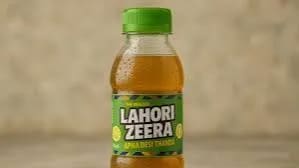
Cumin-flavoured soda brands are challenging Coca-Cola and Pepsi in India as demand surges, with Lahori Zeera targeting $120 million in revenue.
India's cumin-flavoured soda market is witnessing remarkable growth as homegrown beverage brands challenge the long-standing dominance of international cola giants Coca-Cola and PepsiCo. Traditional Indian flavours, affordable pricing and changing consumer preferences are helping brands such as Lahori Zeera, Campa Jeera and Jeeru gain popularity across the country.
What started as a small kitchen experiment by three cousins in Punjab has developed into a significant business opportunity. Lahori Zeera, launched in 2017, has emerged as one of the leading names in India's growing ethnic beverages segment. The company expects to close the year with revenue of approximately $115 million to $120 million.
The growing popularity of these drinks highlights a shift in India's carbonated beverage industry, where consumers are increasingly exploring alternatives to conventional cola products.
Lahori Zeera Turns a Kitchen Experiment into a Major Beverage Business
Lahori Zeera was founded by Saurabh Munjal, Nikhil Doda and Saurabh Bhutna, three cousins from Punjab. The idea originated during an informal gathering when they experimented with a fizzy cumin-based drink using ingredients commonly found in Indian kitchens.
Impressed by its distinctive taste, the founders decided to introduce the beverage commercially. They secured financial support from their families and launched the brand in 2017.
The drink combines the familiar earthy flavour of cumin with carbonation, creating an alternative to traditional cola beverages.
Nearly a decade later, Lahori Zeera has established a strong presence in India's beverage market. Its growing popularity demonstrates the commercial potential of products built around traditional Indian flavours.
According to company CEO Saurabh Munjal, demand has consistently exceeded production capacity. The company doubled its manufacturing capacity to approximately 1.2 million bottles per day last year but continues to face challenges in meeting consumer demand.
Homegrown Brands Expand India's Cumin Soda Market
Lahori Zeera is not the only company benefiting from the rising demand for cumin-flavoured beverages. Several established and emerging Indian beverage manufacturers are expanding their presence in this category.
Major competitors include:
- Lahori Zeera: Manufactured by Archian Foods, the brand has developed a strong position in the affordable cumin soda segment.
- Campa Jeera: Owned by Reliance Industries, the product strengthens Campa Cola's presence in India's traditional beverage market.
- Jeeru: Launched by Mumbai-based Xotik Frujus, the brand is another competitor in the growing category.
- Fizz Jeera Masala: House of Bindu has expanded its cumin-flavoured beverage business beyond its traditional southern Indian markets.
- Dhishoom: Parle Agro introduced its cumin soda nationally after initially selling it in rural markets from 2012.
The growing number of competitors reflects the increasing commercial appeal of traditional Indian beverages.
House of Bindu has also reported significant growth. According to company director Megha Shankar, cumin soda has become its fastest-growing carbonated beverage category. Its contribution to company revenue has increased from 20% to 40% over the past five years.
India's Beverage Market Witnesses a Major Shift
The expansion of cumin-flavoured beverages is taking place within India's broader non-alcoholic drinks industry, which was valued at approximately $32 billion in 2024 and is projected to double by 2033.
A report by Kotak Mutual Fund highlighted the growing influence of homegrown beverage manufacturers. According to the report, smaller challengers and ethnic beverage brands collectively doubled their share of India's carbonated soft drinks market to approximately 15% by September 2025.
During the same period, the combined market share of Coca-Cola and PepsiCo declined from approximately 93% to 85%.
The shift represents a significant development in an industry traditionally dominated by multinational corporations.
The report compared the disruption in the beverage market with the entry of Reliance Jio into India's telecommunications sector in 2016. Jio transformed the telecom industry through affordable data services, forcing established operators to reconsider their pricing and business strategies.
Similarly, affordable Indian beverage brands are challenging established companies through competitive pricing and products designed around local consumer preferences.
Traditional Indian Flavours Attract Changing Consumer Preferences
One of the biggest reasons behind the popularity of cumin-flavoured soda is the growing interest in familiar Indian tastes.
For decades, international cola brands promoted western-style carbonated beverages through extensive advertising campaigns, celebrity endorsements and sports sponsorships.
However, domestic manufacturers are increasingly building their identities around traditional ingredients and regional flavours.
Apart from cumin, Indian beverage companies are exploring flavours such as:
- Raw mango
- Tamarind
- Kokum
- Jeera masala
- Other traditional fruit and spice combinations
These products appeal to consumers looking for alternatives to conventional cola drinks while maintaining affordable price points.
Industry observers believe that the success of these brands reflects an opportunity for Indian manufacturers to develop products rooted in domestic food culture rather than simply adapting international beverage concepts.
Some companies are also responding to changing health preferences. House of Bindu, for example, has introduced a zero-sugar version of its cumin soda to attract consumers looking for reduced-sugar alternatives.
Affordable Pricing Drives Consumer Demand
Pricing remains a major factor behind the growth of cumin-flavoured soda in India.
The ₹10 price category accounts for a substantial portion of sales volumes, making these beverages accessible to a wide range of consumers. Affordable packaging and widespread distribution have helped regional brands compete with established cola manufacturers.
Online demand has also increased significantly. According to a report cited in the BBC article, online orders for these fizzy beverages rose by 900% during the summer.
This increase highlights the growing role of digital delivery platforms in expanding the reach of traditional Indian beverage brands. However, maintaining low prices could become increasingly difficult as manufacturing expenses rise.
Rising Costs and Competition Create Challenges
Despite their rapid growth, cumin soda manufacturers face several challenges that could affect long-term profitability.
The ₹10 price point offers strong sales potential but leaves manufacturers with relatively thin profit margins. Increasing costs of plastic packaging, sugar, transportation and other raw materials could put additional pressure on businesses.
Raising prices may affect consumer demand, particularly in a price-sensitive market. Companies may instead consider reducing bottle sizes or improving manufacturing efficiency to protect their margins.
Competition is another significant concern.
Large multinational beverage companies have established distribution networks, bottling infrastructure and substantial marketing budgets. These advantages could make it difficult for smaller domestic manufacturers to maintain their market positions.
Coca-Cola is also strengthening its presence in the cumin-flavoured beverage category through its Rimzim brand, which it acquired in the 1990s. The company reportedly doubled production last year.
The entry of more established players could intensify competition and put pressure on regional brands.
Can Indian Cumin Soda Brands Build a Global Market?
The success of cumin-flavoured beverages has created opportunities beyond India's domestic market.
Lahori Zeera CEO Saurabh Munjal has expressed ambitions to introduce traditional Indian flavours to international consumers in the coming years.
The global expansion of these products could help Indian beverage manufacturers reach overseas markets, particularly among consumers interested in distinctive regional flavours.
However, international expansion will require companies to develop strong distribution partnerships, maintain consistent product quality and understand the preferences of consumers in different markets.
Building a recognisable international brand will also require sustained investment in marketing, production and supply chain infrastructure.
Conclusion: Homegrown Beverage Brands Reshape India's Soft Drinks Industry
The rapid rise of cumin-flavoured soda represents an important development in India's competitive beverage industry. Brands such as Lahori Zeera, Campa Jeera, Jeeru and Dhishoom are demonstrating that traditional Indian flavours can create significant commercial opportunities.
With growing consumer demand, affordable pricing and expanding distribution networks, homegrown beverage companies are putting pressure on established cola manufacturers.
Nevertheless, rising production costs, thin profit margins and competition from multinational corporations remain important challenges.
The long-term success of these brands will depend on their ability to maintain affordability, strengthen distribution and build consumer loyalty while taking Indian flavours to new markets.
Source :https://www.bbc.com/news/articles/cw1m4ym7ez2eo
Follow The Global Biz Insider for more such News .