Cyber-Attack on Supermarket Freezers in Europe: Food Safety Risks
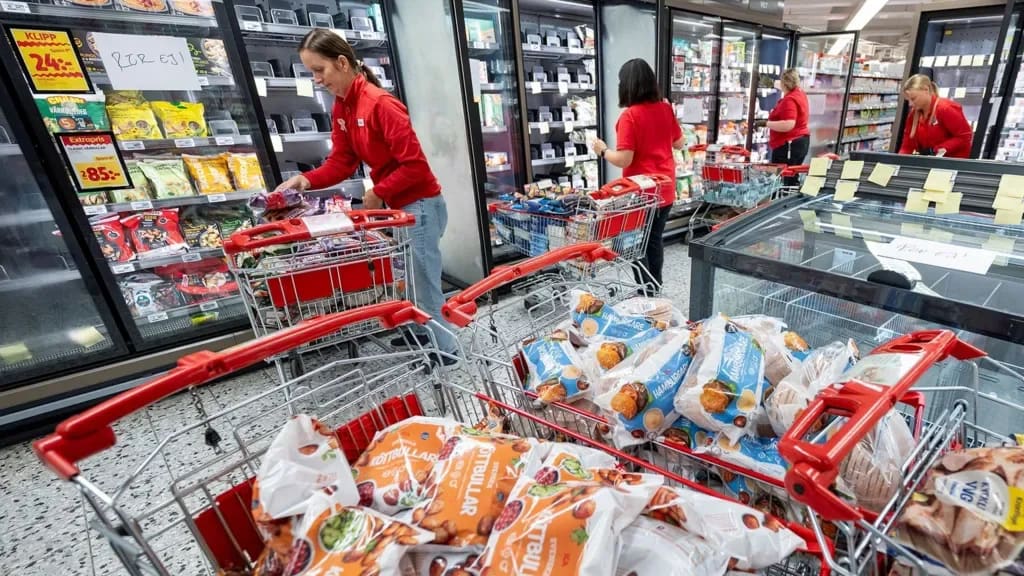
A suspected cyber-attack on supermarket freezers across Europe has caused food losses and raised concerns about refrigeration security and food safety.
Introduction
A suspected cyber-attack targeting supermarket refrigeration systems across Europe has raised serious concerns about food safety, cybersecurity, and the growing vulnerability of modern retail infrastructure. According to recent reports, supermarkets in several European countries have experienced disruptions affecting refrigerators and freezers, resulting in spoiled food and financial losses. The incident highlights how cybercriminals can exploit connected technologies to disrupt essential business operations without directly targeting traditional computer systems.
Cyber-Attack Targets Supermarket Refrigeration Systems
Supermarkets across Belgium, Sweden, and other European countries have reported suspected cyber-attacks affecting their refrigeration and freezer systems. Major retail chains, including Delhaize, Carrefour, ICA, and Coop, have experienced disruptions that caused temperatures inside refrigeration units to rise unexpectedly. Reports also indicate that several SuperValu stores in Ireland were affected.
The incident has forced some supermarkets to remove fresh and frozen products from sale to prevent potential food safety risks. In one Swedish supermarket, freezer temperatures reportedly reached approximately 50 degrees Celsius, creating conditions that made stored food unsafe for consumption. The attacks have caused financial losses and operational challenges for affected retailers.
How Hackers Can Exploit Smart Refrigeration Technology
Modern supermarkets increasingly rely on internet-connected refrigeration systems to monitor temperatures, manage energy consumption, and perform remote maintenance. These technologies help businesses improve efficiency and reduce operating costs, but they can also introduce cybersecurity vulnerabilities.
If attackers gain unauthorized access to refrigeration controls, they may be able to manipulate temperature settings, interfere with monitoring systems, or disrupt normal operations. Such incidents demonstrate that cybersecurity risks extend beyond computers, websites, and customer databases to include physical infrastructure and industrial equipment.
The growing integration of Internet of Things technology into commercial environments makes cybersecurity an increasingly important responsibility for businesses operating connected systems.
Financial Losses and Food Safety Concerns
One of the most immediate consequences of the supermarket cyber-attack has been food waste. Refrigeration failures can quickly compromise products such as meat, dairy, seafood, and frozen foods, resulting in significant financial losses for retailers.
Supermarkets must also consider consumer safety when refrigeration temperatures become unreliable. Products exposed to unsafe conditions may need to be discarded, even if they appear normal. Retailers therefore face the challenge of protecting customers while minimizing losses and restoring normal operations.
Beyond the immediate damage, incidents like these can affect consumer confidence and highlight the importance of maintaining reliable refrigeration infrastructure throughout the food supply chain.
A Growing Cybersecurity Threat to European Retailers
The latest incidents follow a similar cyber-attack involving supermarket refrigeration systems in France during October 2026. The repeated targeting of refrigeration infrastructure suggests that connected commercial equipment could become an increasingly attractive target for cybercriminals.
However, authorities and businesses have not established who is responsible for the latest incidents or whether they are directly connected to the earlier French attacks. Investigations and technical assessments remain important for determining the attackers' methods and identifying potential security weaknesses.
The incidents also demonstrate why cybersecurity should not be treated exclusively as an IT department responsibility. Retail businesses must consider the security of operational technology, building management systems, refrigeration equipment, and other connected devices.
How Businesses Can Strengthen Cybersecurity
Businesses can reduce the risk of similar cyber-attacks by implementing comprehensive cybersecurity measures. Regular software updates, strong authentication, restricted remote access, and continuous monitoring can help protect connected systems from unauthorized access.
Retailers should also separate critical operational technology from general business networks wherever practical. This approach can reduce the possibility of attackers moving between systems if one network is compromised.
In addition, businesses should establish incident response plans that include technical recovery procedures, food safety protocols, communication strategies, and backup arrangements. Regular security assessments and employee training can further improve preparedness against emerging cyber threats.
Conclusion
The suspected cyber-attack affecting supermarket freezers across Europe highlights the growing connection between cybersecurity, food safety, and business continuity. As retailers increasingly depend on connected refrigeration systems and automated technologies, protecting these systems from unauthorized access has become essential.
The incident serves as a reminder that cybersecurity vulnerabilities can have consequences far beyond digital data, potentially affecting physical infrastructure, food supplies, customer safety, and business operations. Strengthening cybersecurity measures and improving preparedness will be crucial for protecting supermarkets and other industries that rely on connected technology.
Businesses must recognize that cybersecurity is no longer limited to protecting information. It is also about safeguarding the systems and infrastructure that keep essential services running.
Source : https://www.bbc.com/news/a
Follow: https://globalbizinsider.com/