Data Centre Boom Faces Global Backlash Over Energy Use
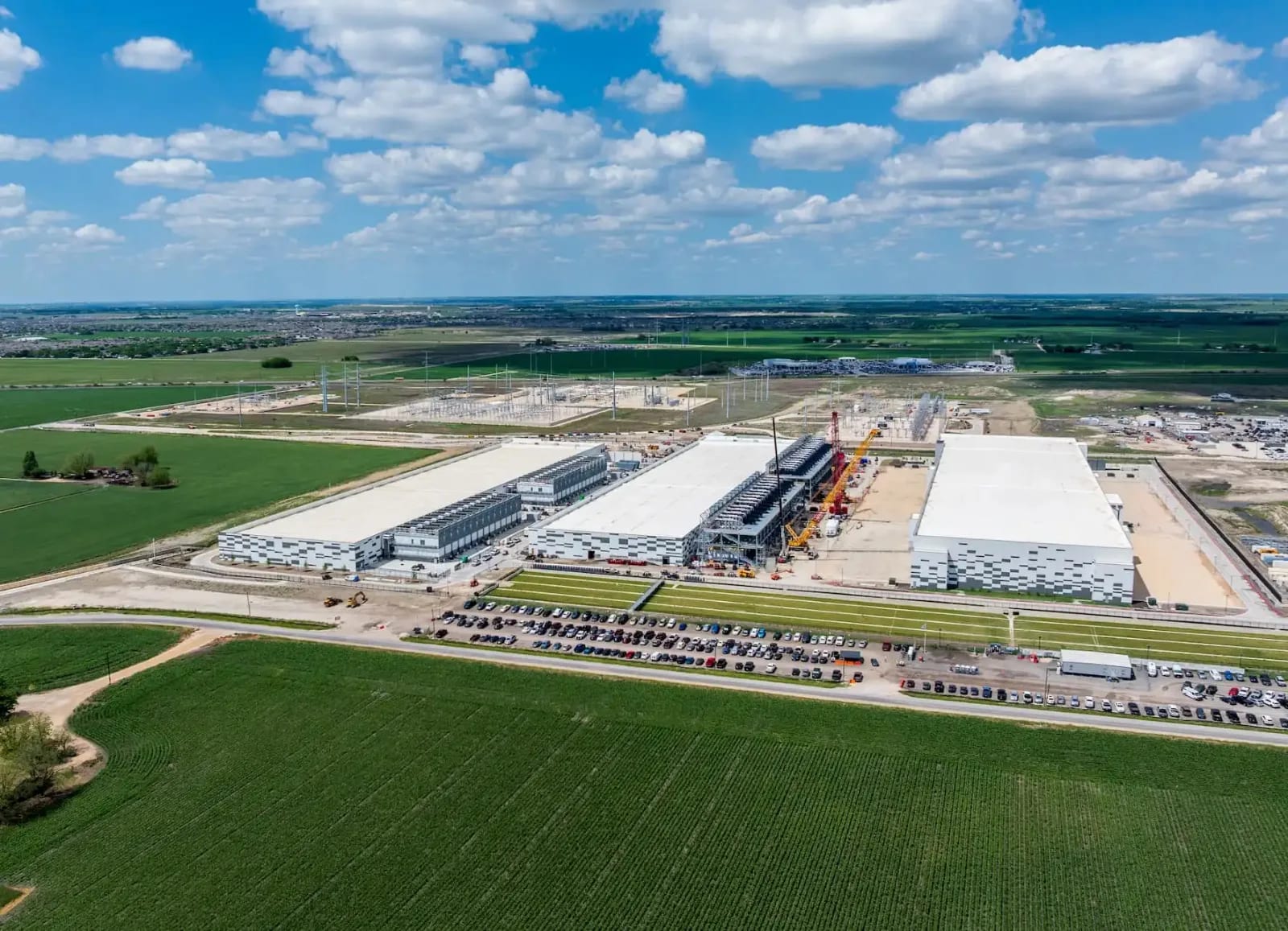
The data centre boom is facing global opposition over rising electricity use, water consumption, carbon emissions and environmental concerns amid rapid AI expan
The data centre boom is attracting growing criticism as the rapid expansion of artificial intelligence infrastructure increases electricity demand, water consumption and environmental concerns. Although data centres support essential digital services and emerging AI technologies, their growing physical footprint and resource requirements are raising questions about the long-term sustainability of the global technology industry.
Data centres are specialised facilities that house computer servers, networking equipment and storage systems. They support everyday online activities, including internet searches, email, digital payments, video streaming and cloud computing. More recently, they have become central to the development and operation of advanced artificial intelligence systems.
However, the scale and speed of new construction have sparked resistance from communities, environmental organisations and political leaders in several countries.
Global Data Centre Numbers Continue to Rise
The worldwide expansion of data centres has accelerated in recent years as businesses invest in cloud computing, digital infrastructure and AI-powered services.
According to figures cited by Data Center Map, approximately 12,250 data centre sites exist worldwide, including operational and pre-operational facilities. This represents a substantial increase from around 8,000 operational sites reported in 2021.
The United States has the largest concentration of data centres, with Europe also hosting significant clusters, particularly in the United Kingdom and Germany. Major Asian markets include China, Japan, Singapore and other technology hubs.
While facilities were traditionally developed close to major cities to access reliable electricity, water and telecommunications networks, the growing size of AI infrastructure projects is encouraging development in rural and less densely populated areas.
The expansion is also intensifying competition between countries seeking to attract investment and establish themselves as leaders in artificial intelligence.
AI Infrastructure Is Driving the Construction of Larger Facilities
The rise of generative AI has increased demand for specialised computing infrastructure capable of training and operating complex models.
Unlike conventional data centres, some AI-focused facilities require enormous numbers of advanced processors and powerful cooling systems. This has encouraged technology companies to develop increasingly large campuses designed specifically for AI workloads.
Projects associated with companies such as OpenAI, Meta and Elon Musk's xAI illustrate the scale of investment being directed towards next-generation computing infrastructure.
These developments can require extensive land, substantial grid connections and new power-generation capacity. In some locations, the construction process has also raised concerns about deforestation, land use and the impact of industrial facilities on surrounding communities.
As AI adoption expands, the demand for computing power is expected to remain a major driver of data centre construction.
Electricity Demand and Carbon Emissions Raise Concerns
One of the most significant challenges associated with the data centre boom is electricity consumption.
Servers, networking equipment and cooling systems require continuous power to maintain operations. The rapid growth of AI computing is adding to this demand, placing pressure on electricity networks in some regions.
Where additional electricity comes from fossil fuels, increased consumption can contribute to higher carbon emissions. Building new power infrastructure to serve data centres may also create challenges for local energy planning.
The impact on electricity prices is another concern. Residents and businesses worry that increased competition for available power could contribute to higher bills, particularly in areas where grid capacity is already limited.
Technology companies and policymakers are therefore under growing pressure to improve energy efficiency, expand access to renewable electricity and ensure that new facilities do not undermine wider climate targets.
Water Consumption and Local Pollution Become Major Issues
Electricity is not the only resource attracting attention. Many data centres use water-based cooling systems or require additional cooling infrastructure to prevent servers from overheating.
In regions already experiencing water stress, large facilities could increase competition for limited supplies. The scale of the impact depends on the cooling technology, local climate, water source and operational design of each facility.
Air pollution is also becoming a point of debate where data centres use on-site gas turbines or other combustion-based power sources.
For example, environmental groups have raised concerns about the potential air-quality effects of gas turbines associated with xAI's Colossus infrastructure in the United States. Local authorities and project operators have pointed to regulatory requirements and compliance measures.
Communities are also concerned about noise from cooling equipment, construction activity and the amount of land used by large industrial campuses.
These issues have turned data centre development into a broader debate about how the benefits of digital technology should be balanced against local environmental costs.
Data Centre Expansion Becomes a Political Issue in the US
Opposition to new data centres has increasingly entered political discussions in the United States, where concerns about electricity prices, environmental protection and local development are gaining attention ahead of the November 2026 midterm elections.
Some state-level proposals seek to restrict, pause or impose additional conditions on new facilities. Residents and community organisations have also challenged projects over their potential effects on neighbourhoods and public resources.
The debate places technology companies and policymakers under pressure to explain how data centre investments will benefit local communities.
US President Donald Trump has criticised opposition to data centre development, describing some of the pushback as a conspiracy. Nevertheless, concerns about the costs and consequences of large infrastructure projects continue to influence public debate.
Similar resistance has emerged in other countries, demonstrating that the issue extends beyond American politics.
Data Centres Can Generate Investment and Employment
Despite growing criticism, supporters argue that data centres are essential to digital infrastructure, national security and economic competitiveness.
Large construction projects can generate demand for contractors, engineers, electricians, equipment suppliers and other specialised workers. Facilities can also attract investment and contribute to local tax revenues.
However, the employment benefits vary depending on the type of facility and the local economy.
Research from the Brookings Center suggests that data centres can create local employment opportunities, although the benefits may be smaller than some industry advocates suggest. Large hyperscale facilities may produce different economic effects from colocation centres, which primarily rent computing space to customers.
Another consideration is that data centres can require substantial investment while employing relatively small permanent workforces once construction is complete.
For communities, the central question is whether the long-term economic benefits justify the associated demands on electricity, water, land and public infrastructure.
Technology Companies Explore More Sustainable Alternatives
As environmental concerns intensify, the technology industry is exploring ways to reduce the resource requirements of AI infrastructure.
Potential solutions include more energy-efficient processors, improved cooling systems, better utilisation of computing capacity and greater use of renewable electricity.
Some technology research also examines the possibility of placing computing infrastructure in space, where solar energy could provide a potential power source. However, space-based data centres remain an experimental concept, with major technical, financial and operational challenges to overcome.
Another possible development is the expansion of on-device AI, which allows certain tasks to run directly on computers and smartphones rather than relying entirely on remote data centres. This could reduce demand for some cloud-based processing, although it will not eliminate the need for large-scale computing infrastructure.
The effectiveness of these alternatives will depend on technological progress, cost, energy efficiency and the types of AI services being used.
What the Data Centre Boom Means for the Future of AI
The data centre boom highlights a growing tension between technological progress and environmental sustainability.
Artificial intelligence offers opportunities to improve productivity, accelerate research and transform industries. However, supporting these capabilities requires infrastructure that can consume significant amounts of electricity, water and land.
Governments will need to consider how new facilities are approved, how their environmental impacts are measured and how infrastructure costs are distributed between technology companies and local communities.
Technology businesses, meanwhile, face increasing pressure to demonstrate that their expansion plans include credible strategies for energy efficiency, emissions reduction and responsible resource management.
As demand for AI continues to grow, the future of data centres will depend not only on computing performance and investment but also on whether the industry can address concerns about its environmental and social impact.
The challenge will be to build the digital infrastructure needed for the next generation of technology while ensuring that its costs do not outweigh its economic and social benefits.
Source : https://www.bbc.com/news/articles/cq2e9we7w2ejo
Follow The Global Biz Insider .