Ebola Case in Nigeria: Patient Isolated in Abuja
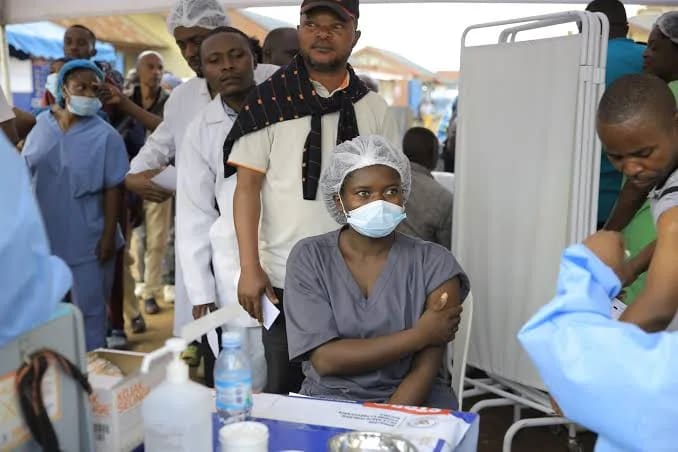
Nigeria confirms an Ebola case in Abuja involving a woman who travelled from Uganda. Health officials begin contact tracing to prevent further spread.
Nigeria has confirmed an Ebola case in Nigeria involving a female patient who travelled from Uganda to Abuja, the country's capital. Health Minister Muhammad Ali Pate said laboratory tests confirmed the diagnosis, prompting authorities to isolate the patient and begin contact tracing to prevent further transmission.
The patient, who health sources cited by the BBC described as a foreign national and the wife of a diplomat, is receiving medical care at a hospital in Abuja. The case has raised public health concerns because Nigeria is the first West African country to report a case linked to the ongoing Ebola outbreak in East Africa.
Ebola Patient Isolated in Abuja
According to the World Health Organization (WHO), the woman developed symptoms on Wednesday, 7 October, approximately four days after arriving in Nigeria.
Health officials have placed her in isolation while investigations continue into how and where she may have contracted the virus. Authorities have identified 44 close contacts and started monitoring people who may have been exposed.
Contact tracing is a critical public health measure that helps officials identify individuals who may have come into contact with an infected person. These individuals can then be monitored for symptoms during the virus's incubation period.
Officials are also examining the patient's travel history and medical information to determine the possible source of infection and identify any additional contacts who may require monitoring.
Uganda Says No Active Ebola Cases Have Been Confirmed
Uganda's Ministry of Health has stated that there are currently no confirmed active Ebola cases in the country. Preliminary information indicates that the woman travelled through Uganda without showing symptoms before arriving in Nigeria.
Uganda's Director General of Health Services, Charles Olaro, said the patient had travelled to eastern Democratic Republic of the Congo (DR Congo) for business before passing through Uganda in early October.
According to the preliminary account, her symptoms developed only after she reached Nigeria. The exact location where she was exposed to the virus remains under investigation.
Nigeria's health minister said the woman had not shown symptoms when she arrived in the country. He also indicated that her travel documents would help authorities reconstruct her journey and identify people who might have been exposed.
The patient's precise travel itinerary and the circumstances surrounding the infection remain important parts of the ongoing investigation.
What Is Ebola and How Does It Spread?
Ebola is a rare but potentially deadly viral disease that can cause severe illness. Early symptoms may include fever, fatigue, headache and muscle pain. As the disease progresses, patients may develop vomiting, diarrhoea and other serious complications. Some patients experience internal or external bleeding.
The virus primarily spreads through direct contact with the blood or other bodily fluids of an infected person who is showing symptoms, or through contaminated materials. It is not generally spread through ordinary casual contact in the same way as common respiratory infections.
The incubation period ranges from two to 21 days. This means that people exposed to the virus may develop symptoms several days or weeks after infection.
Because symptoms may not appear immediately, health authorities rely on contact tracing, symptom monitoring, laboratory testing and infection prevention measures to contain outbreaks.
Ebola Outbreak in Central and East Africa Raises Concerns
The newly reported case in Nigeria comes amid a wider Ebola crisis affecting parts of Central and East Africa. The outbreak described in reports from the region has been associated with the Bundibugyo species of the virus.
This species is relatively uncommon, and no approved vaccine or specific treatment has been available for it, although research and clinical trials have been underway. Treatment generally focuses on supportive medical care, including managing symptoms and complications.
Reports have also described infections and deaths in Uganda and the spread of the outbreak to Kenya. Kenya has reported at least nine infections, according to the information available in the original report.
The movement of people across international borders makes coordination between health authorities particularly important. Information-sharing, screening where appropriate and rapid investigation of suspected cases can help countries respond before transmission expands.
Note: Outbreak figures and country-specific case status can change quickly and should be verified against the latest WHO and national health authority updates before publication.
Nigeria Strengthens Ebola Surveillance Measures
Following confirmation of the case, Nigeria has stepped up disease surveillance and public health monitoring. The Nigeria Centre for Disease Control and Prevention (NCDC) has issued advice for travellers and reinforced the importance of reporting symptoms promptly.
Travellers arriving from countries with active or relevant Ebola transmission may be required to complete health declaration forms, depending on the applicable public health guidance. Requirements can change as authorities assess the situation.
Health officials are encouraging the public to cooperate with contact-tracing teams and seek medical attention if they develop symptoms after a possible exposure.
The immediate priorities include monitoring identified contacts, establishing the likely source of infection, strengthening infection prevention in healthcare facilities and communicating accurate information to the public.
Nigeria's Experience in Containing Ebola
Nigeria has previous experience managing an Ebola outbreak. In 2014, the country successfully contained an outbreak after the virus was introduced by an infected traveller.
The outbreak resulted in at least eight deaths, according to historical reports. Nigeria's response included identifying cases, tracing contacts, isolating infected individuals and coordinating action among health authorities.
That experience demonstrated the importance of rapid detection and an organised public health response. However, each outbreak presents different challenges, and the effectiveness of containment depends on how quickly cases are identified and how successfully contacts are monitored.
The current case will therefore require continued investigation and close coordination among Nigerian health authorities and their regional and international counterparts.
What Happens Next?
The next stage of Nigeria's response will focus on determining the patient's exposure history, monitoring the 44 identified close contacts and identifying any additional people who may have been exposed.
Authorities will also need to assess whether further testing, surveillance or travel-related public health measures are necessary. The identification of a single confirmed case does not, by itself, establish that widespread transmission is occurring in Nigeria.
Public cooperation will remain essential. People should follow official health guidance, avoid spreading unverified claims and contact healthcare professionals if they develop symptoms following a known or suspected exposure.
Conclusion
The confirmed Ebola case in Nigeria has prompted an immediate public health response in Abuja, including patient isolation and contact tracing. Investigations are ongoing to establish where the woman contracted the virus and whether additional individuals may have been exposed.
Nigeria's experience containing Ebola in 2014 provides valuable lessons, but continued vigilance, transparent communication and cooperation between health authorities will be essential to limit the risk of further transmission.
Readers should follow updates from the Nigeria Centre for Disease Control and Prevention and the World Health Organization for verified information about the investigation and any changes in public health guidance.
Source: https://www.bbc.com/news/articles/cm2l4xw7xpjgo
Follow The Global Biz Insider .