Ebola Outbreak in DR Congo: Nurse Killed in Attack
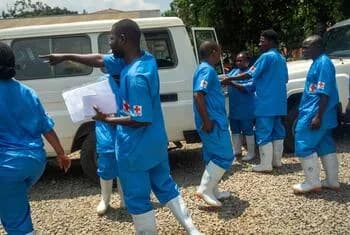
The Ebola outbreak in DR Congo takes a deadly turn as a nurse is killed and another health worker injured. Uganda tightens border restrictions amid rising conc
The Ebola outbreak in DR Congo has taken a troubling turn after a nurse was killed and another health worker seriously injured in an attack in the country's north-eastern region. The healthcare workers were reportedly targeted by local youths who accused them of contaminating water sources and spreading the Ebola virus, according to the UN-backed Radio Okapi.
The attack has prompted renewed concerns about the safety of frontline healthcare personnel and the challenges facing disease-control teams as they work to contain the outbreak. The World Health Organization (WHO) has condemned the violence and called for health workers to be protected while carrying out their duties.
The incident highlights how misinformation, fear and mistrust can complicate public health emergencies, particularly in communities already facing the threat of a dangerous infectious disease.
WHO Condemns Attack on Healthcare Workers
WHO Director-General Tedros Adhanom Ghebreyesus expressed concern over the attack and stressed that medical personnel must be able to perform their responsibilities safely and with dignity.
The organisation also extended its condolences to the family and colleagues of the nurse who was killed and wished the injured health worker a speedy recovery.
Healthcare workers play a critical role during Ebola outbreaks, including identifying suspected infections, supporting patients, tracing contacts and communicating prevention measures to local communities. Attacks against response teams can undermine these efforts and make it more difficult for authorities to identify and contain new cases.
The circumstances surrounding the latest attack remain under investigation, with the BBC reporting that it had contacted the Ebola response team for further comment.
Uganda Introduces Travel Restrictions Amid Ebola Concerns
The growing regional concern over the Ebola outbreak in DR Congo has prompted neighbouring Uganda to introduce additional travel restrictions.
Under the announced measures, non-essential travel to and from DR Congo has been suspended. Essential travellers, including aid workers, truck drivers and security personnel, may still cross the border, subject to strict health screening.
Uganda has also announced a 21-day quarantine requirement at the returning traveller's own expense for Ugandan citizens arriving from DR Congo. In addition, travellers entering Uganda, regardless of their country of origin, will be required to complete locator forms to support contact tracing when necessary.
The measures are intended to reduce the risk of further transmission and help authorities identify potentially exposed individuals.
Uganda shares close social and economic ties with eastern DR Congo, with frequent cross-border movement for trade, employment and family visits. These connections make coordinated surveillance and effective public health communication particularly important.
Ebola Cases Reported in Kenya and Nigeria
Concerns about the regional spread of Ebola have increased following reports of cases in Kenya and Nigeria earlier this month.
In Kenya, a businessman who had travelled from DR Congo died after arriving in Nairobi. Kenyan authorities subsequently confirmed additional cases linked to the situation. The developments have prompted health officials to monitor contacts and investigate possible chains of transmission.
Nigeria has also reported a case involving a Ugandan-born woman married to a Swiss diplomat. According to the information reported by the BBC, the patient was flown from Abuja to Switzerland for further treatment. Nigeria's health ministry said she was stable, conscious and able to communicate.
Her husband, who had travelled with her, reportedly showed no symptoms at the time of evacuation.
Authorities are investigating the woman's movements and possible exposure to the virus. The case has raised questions about how infected travellers may move between countries before their infection is identified.
Ugandan officials have emphasised that no cases have been reported within the country since the WHO declared Uganda free of the disease in August. However, the reported cases in neighbouring and other countries have reinforced the need for continued monitoring and vigilance.
Why the Ebola Outbreak Is a Major Public Health Concern
Ebola is a severe viral disease that can spread through direct contact with the bodily fluids of an infected person, including blood and vomit, or through contaminated materials.
The current outbreak involves the Bundibugyo species of the Ebola virus, a relatively rare strain for which there is no approved vaccine or specific treatment currently available, according to the supplied report. Research and clinical trials are underway to improve prevention and treatment options.
The absence of an established vaccine or specific treatment makes early identification, infection prevention, supportive medical care and contact tracing especially important.
Public health authorities must also work closely with local communities to address rumours and provide accurate information about how the virus spreads. Fear and misinformation can discourage people from seeking medical assistance or cooperating with disease-control teams.
The killing of a nurse during an Ebola response illustrates the additional risks that healthcare personnel may face when public trust breaks down.
Thousands Affected by the Outbreak in DR Congo
The outbreak has caused a substantial public health burden in the Democratic Republic of Congo. According to the figures in the supplied report, more than 4,800 people have died and nearly 10,000 have been infected since the outbreak began in May.
These figures underline the importance of sustained medical support, effective surveillance and coordinated action by national authorities and international health organisations.
The reported cases outside DR Congo have also increased pressure on neighbouring countries to strengthen border screening, contact tracing and emergency preparedness.
Authorities must balance efforts to limit transmission with the need to maintain essential travel and humanitarian assistance for affected communities.
What Happens Next?
Health authorities in DR Congo and neighbouring countries face the challenge of containing the outbreak while protecting healthcare workers and maintaining public confidence.
Key priorities include investigating the latest attack, safeguarding medical response teams, identifying potentially exposed individuals and improving communication with communities affected by the outbreak.
Uganda's travel restrictions and quarantine measures represent an effort to reduce the risk of imported infections. However, the effectiveness of these measures will depend on implementation, cooperation between countries and the ability to identify cases quickly.
The situation also demonstrates the importance of international coordination during infectious disease emergencies, particularly when people regularly cross borders for trade, work and family reasons.
Conclusion
The Ebola outbreak in DR Congo continues to raise serious concerns, with the killing of a nurse adding a disturbing dimension to an already challenging public health emergency. The attack highlights the dangers faced by healthcare workers and the consequences that misinformation and community mistrust can have on disease-control efforts.
With cases reported in other countries and Uganda tightening travel restrictions, authorities across the region are strengthening surveillance and containment measures. Protecting frontline medical personnel, sharing accurate information and coordinating cross-border responses will remain essential to limiting the spread of Ebola.
Source : https://www.bbc.com/news/articles/crx2dyd24188o
Follow The Global Biz Insider For More Such News Article .