El Niño Could Push Global Food Prices Higher in 2027
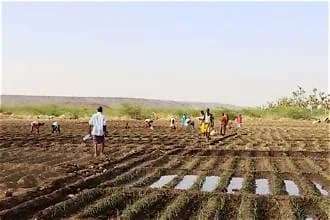
Global food prices could rise in 2027 as El Niño, rising fertiliser costs, fuel shortages and extreme weather threaten agricultural production.
Global food prices could face renewed upward pressure in 2027 as rising fertiliser and energy costs combine with the threat of extreme weather caused by a potentially powerful El Niño event. According to a report by S&P Global, the effects of these challenges may become increasingly visible over the coming months, although the full impact on food prices could take time to emerge. The warning highlights growing concerns about global food security, agricultural production, and the cost of essential commodities as farmers face rising expenses and uncertain weather conditions.
El Niño Raises Concerns About Global Food Production
El Niño is a natural climate phenomenon associated with warmer-than-usual sea surface temperatures in the central and eastern equatorial Pacific Ocean. It can influence rainfall patterns and temperatures across different parts of the world, increasing the risk of droughts, floods, and heatwaves in vulnerable agricultural regions. If the current event continues to affect major crop-producing areas, agricultural output could come under pressure during the 2026–2027 growing seasons.
According to the S&P Global report, an exceptionally strong El Niño could threaten agricultural production across parts of Asia, Africa, and Latin America in 2027. These regions include important agricultural areas that supply domestic markets and international food supply chains. Weather-related crop losses could reduce the availability of essential commodities and contribute to higher prices, particularly if several major producing regions experience disruptions at the same time.
Rising Fertiliser and Fuel Costs Put Pressure on Farmers
Weather disruptions are not the only concern for the global agriculture sector. Rising fertiliser and diesel costs are also putting pressure on farmers, increasing the expense of growing, harvesting, and transporting crops. Fertiliser production relies heavily on natural gas, while diesel powers agricultural machinery, irrigation equipment, and transportation vehicles. When energy prices rise, the additional costs can affect the entire agricultural supply chain.
Higher input costs may force farmers to reduce fertiliser use, limit investment in their fields, or reconsider how much land they cultivate. These decisions can affect crop yields and reduce the amount of food reaching markets in subsequent harvests. Farmers who are already dealing with weak profit margins may be particularly vulnerable, especially in developing economies where access to affordable agricultural inputs and financial support is limited.
Why Food Prices May Rise Gradually in 2027
Unlike changes in crude oil prices, which can be reflected in markets relatively quickly, agricultural price increases often take longer to develop. Farmers purchase seeds, fertilisers, and fuel before planting and harvesting their crops. As a result, higher production costs may not become fully visible in food markets until the next harvest cycles.
The S&P Global report suggests that the pressure currently affecting farm budgets could have a more pronounced impact on food markets in 2027. If farmers reduce production or harvests fall below expectations, lower supplies could push commodity prices higher. Consumers may then experience the effects through more expensive groceries, while food manufacturers and retailers may face higher purchasing and operating costs.
The timing and scale of these increases will depend on weather conditions, crop yields, global inventories, trade flows, and the ability of agricultural producers to adapt. A strong harvest in one region could help offset losses elsewhere, while improved fertiliser availability could ease some of the pressure on farmers.
Global Grain Reserves and Supply Chain Risks
Global grain reserves are another important factor in determining how agricultural markets respond to weather disruptions. When inventories are sufficient, countries and businesses can draw on existing supplies to manage temporary shortages. However, limited reserves can make markets more vulnerable when several major crop-producing regions experience poor harvests simultaneously.
Geopolitical conflicts and disruptions to international trade can further complicate the situation by increasing transport costs, delaying shipments, and restricting access to essential agricultural inputs. These challenges may affect the availability of wheat, maize, rice, and other commodities that form an important part of diets worldwide.
The combination of climate uncertainty, higher energy prices, fertiliser supply pressures, and trade disruptions creates a complex challenge for global food markets. Even when sufficient food is available internationally, individual countries may experience shortages or higher domestic prices because of import dependence, currency movements, and distribution difficulties.
Biofuel Demand Adds Another Layer of Pressure
Growing demand for biofuels could also influence agricultural markets. When energy prices increase, crops used to produce biofuels may become more attractive to producers and businesses. In some markets, this can intensify competition between crops grown for food and those used for fuel.
The relationship between energy and agriculture means that disruptions in oil and fuel markets can extend beyond transportation and manufacturing. Higher energy costs may increase farming expenses while also changing demand for agricultural commodities. If these pressures coincide with weather-related crop losses, food supply and pricing challenges could become more difficult to manage.
However, the effect will vary by country and crop, depending on biofuel policies, available feedstocks, agricultural productivity, and the balance between food and energy demand.
What Higher Global Food Prices Could Mean for Consumers
A sustained increase in global food prices could have significant consequences for households, particularly those that spend a large share of their income on essential food items. Lower-income families are often more exposed to food inflation because they have less room in their budgets to absorb higher grocery bills.
Developing countries that depend heavily on imported food may face additional challenges if international commodity prices rise alongside freight, fuel, and currency costs. Governments could come under pressure to expand food assistance, provide targeted subsidies, or introduce measures to maintain the affordability of essential commodities.
Food manufacturers, restaurants, retailers, and other businesses may also experience higher costs for ingredients, packaging, storage, and transportation. Some businesses could pass these expenses on to customers, potentially extending the effects of agricultural inflation across the wider economy.
Implications for India and Other Developing Economies
For India, the potential effects of El Niño and rising global food prices will depend on domestic monsoon conditions, agricultural production, irrigation availability, input costs, and international commodity markets. Any disruption to rainfall during critical growing periods could affect crop productivity in vulnerable areas, although the outcome will vary across regions and crops.
Higher international prices for agricultural inputs and food commodities could create additional challenges for farmers and policymakers. Maintaining adequate food stocks, supporting agricultural productivity, monitoring essential commodity prices, and ensuring efficient distribution will remain important priorities.
India's domestic production, public food distribution system, agricultural support measures, and ability to manage imports can help cushion some external shocks. Nevertheless, local market conditions and weather patterns will play a major role in determining how much global price pressure reaches Indian consumers.
Can the Impact of El Niño Be Managed?
Although the risks are significant, higher global food prices and a widespread food crisis are not inevitable. Governments, farmers, and international organisations can take steps to reduce the potential impact of adverse weather and rising production costs.
Early weather warnings, improved irrigation systems, climate-resilient crop varieties, better agricultural storage, and more efficient supply chains can help strengthen food security. Affordable access to fertilisers, targeted financial assistance for farmers, and diversified import sources may also reduce vulnerability to sudden disruptions.
International cooperation will be important in maintaining stable food trade and ensuring that vulnerable communities can access essential commodities. Monitoring crop forecasts, grain inventories, energy markets, and fertiliser supplies can help policymakers respond before shortages become more severe.
Conclusion
The possibility of higher global food prices in 2027 reflects the growing interaction between climate risks, energy costs, fertiliser availability, and international trade. The S&P Global report warns that a powerful El Niño could threaten agricultural production just as farmers continue to face elevated input costs. Because agricultural decisions and harvest cycles take time, the full effects may emerge gradually rather than immediately.
For consumers, businesses, and governments, the coming months will be important for assessing how these pressures develop. Strong harvests, improved input supplies, and timely policy measures could limit the impact, but simultaneous weather and supply chain disruptions may increase the risk of further food inflation. Strengthening agricultural resilience and protecting access to affordable food will therefore remain essential priorities as the world prepares for potential challenges in 2027.
Source : https://www.hindustantimes.com/india-news/el
Follow : Global Biz Insider