Ethiopia Oromiya Region Attack: 60 Killed in Violence
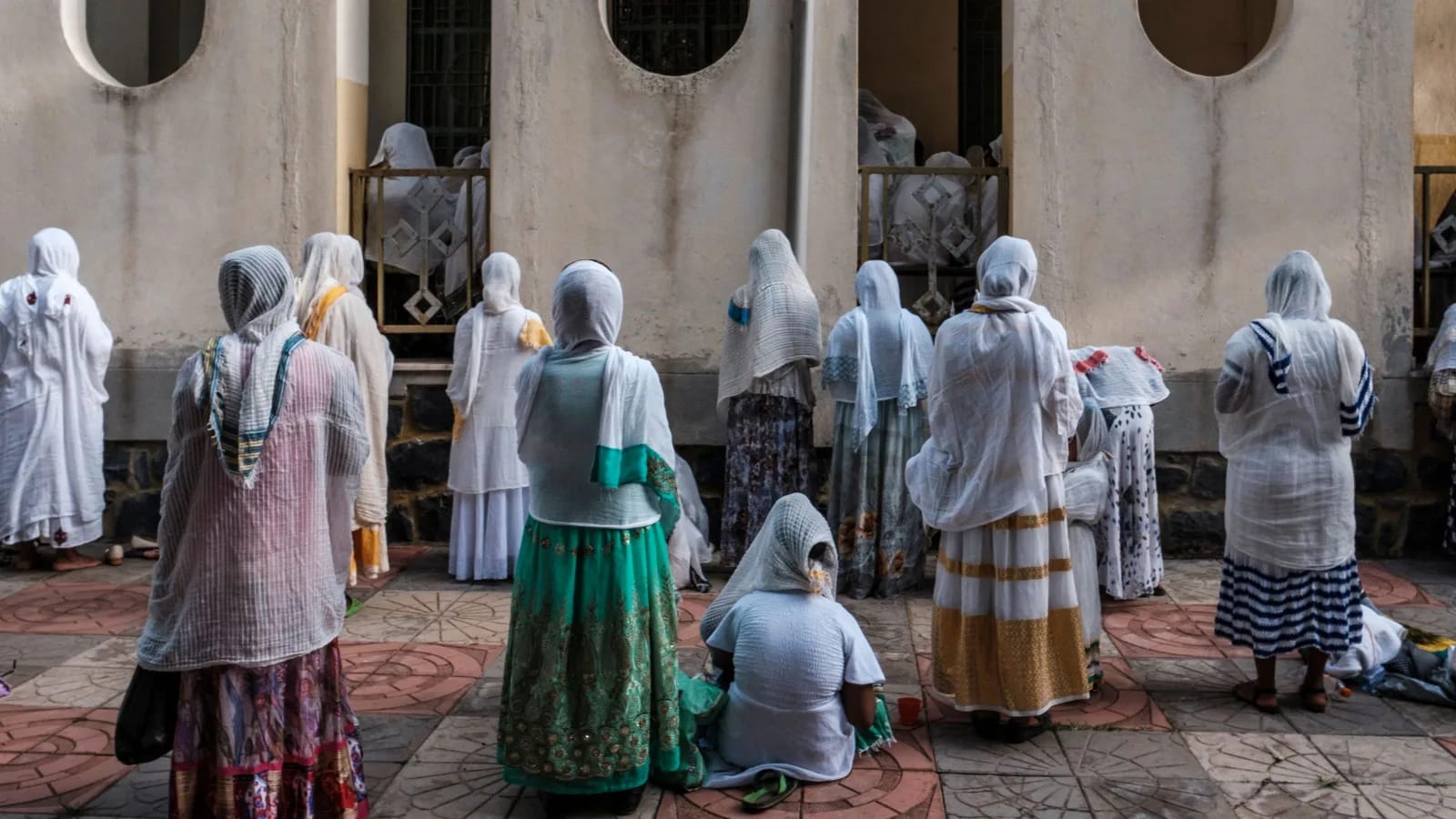
Ethiopia Oromiya region attack kills 60 people, according to the Orthodox Church, raising fresh concerns over civilian safety.
The Ethiopia Oromiya region attack has reportedly killed at least 60 Orthodox Christians in two separate incidents, according to the Ethiopian Orthodox Tewahedo Church. The attacks occurred on October 20 and October 24, 2026, in the Merti and Shirka districts of the Arsi Zone, according to a report by Reuters. The church also reported that more than 20 people were seriously injured and over 20 homes were burned.
The killings have renewed concerns about civilian safety in Oromiya, Ethiopia’s largest regional state, which has experienced prolonged armed conflict and insecurity. The identity of those responsible for the latest attacks remains disputed, with the regional government and a source linked to a rebel alliance offering conflicting accounts.
Details of the Two Attacks in Oromiya
According to the Ethiopian Orthodox Tewahedo Church’s Holy Synod, the first attack occurred on October 20 in the Gora Silingo area of Merti district, where 14 people were reportedly killed.
A second and deadlier attack took place on October 24 in areas of Shirka district, including Chole and Birbo. The church reported that 46 people were killed in this incident.
Together, the two attacks account for the reported death toll of 60. The church said that more than 20 people sustained serious injuries and that over 20 homes were burned during the violence.
The reported casualties have raised concerns about the safety of residents in affected communities. However, the full circumstances of both incidents and the responsibility for the killings have not been independently established.
Conflicting Claims Over Responsibility
Responsibility for the Ethiopia Oromiya region attack remains unclear. The Oromiya regional government blamed a rebel alliance linked to armed groups from Ethiopia’s northern Tigray region, alleging that the attacks were intended to provoke religious conflict. Reuters reported that the government did not provide evidence supporting this allegation.
A source connected to the rebel alliance, meanwhile, accused the Oromiya regional government of carrying out the killings, citing conversations with two local residents. These competing claims have not been independently verified.
The Oromo Liberation Army (OLA), an armed group that the regional government has previously blamed for attacks on Orthodox Christians, did not immediately respond to Reuters’ request for comment on the latest incidents.
Establishing responsibility will require credible investigations and corroborating evidence. Until then, allegations against any party should not be treated as confirmed findings.
Oromiya’s Ongoing Security Crisis
Oromiya has faced years of insecurity involving government forces and armed groups. The region’s wider conflict has contributed to concerns about civilian protection, displacement and the disruption of local communities.
The latest attacks add to these challenges, particularly in areas where residents face difficulties accessing reliable security and essential services. Violence can also intensify tensions between communities, making impartial investigations and responsible public communication especially important.
Although the motives behind the latest killings remain uncertain, the reported scale of the casualties highlights the urgent need to establish the facts and prevent further attacks.
Calls for Civilian Protection and Accountability
The reported killings have intensified calls for stronger security measures and accountability. Protecting civilians, investigating attacks and ensuring that those responsible face justice are essential steps in responding to violence.
The Ethiopian Orthodox Tewahedo Church has expressed concern about attacks affecting its followers and their property. Its reported death toll has also drawn attention to the risks facing communities in the Arsi area.
Authorities face the challenge of clarifying what happened, addressing the competing allegations and ensuring that affected residents can live without fear of further violence.
What Happens Next?
The Ethiopia Oromiya region attack remains a developing story, with important questions still unanswered about the perpetrators, motives and complete circumstances of the killings.
Further independent reporting and official investigations will be important in verifying the claims and determining responsibility. The reported deaths, serious injuries and destruction of homes underscore the human cost of the continuing insecurity in the region.
For affected families and communities, the immediate priorities include safety, medical support for the injured and accountability for the reported killings.
Source : https://l1nq.com/kuhc02q
Follow The Global Biz Insider .