Explore the historic APEC summit meeting between Donald Trump, Xi Jinping and Vladimir Putin, focusing on global security, international trade, the Ukraine war, AI competition and geopolitical relations.
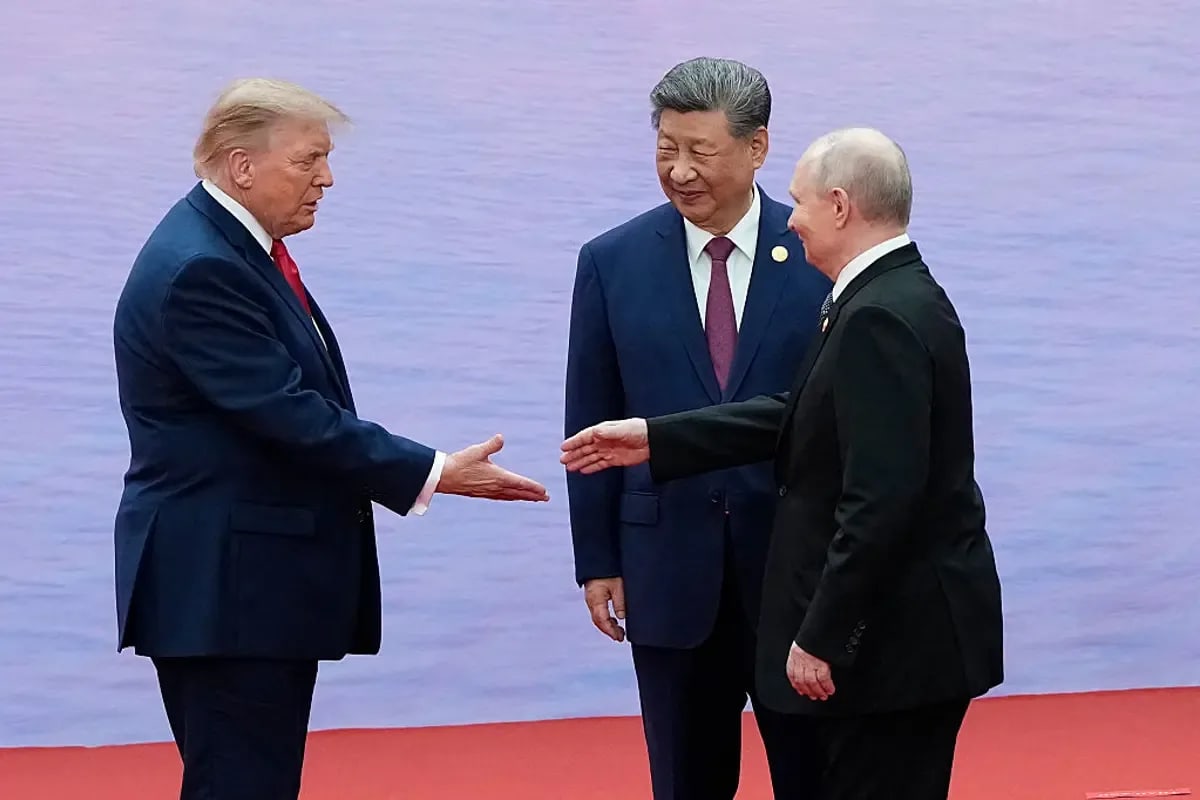
Explore the historic APEC summit meeting between Donald Trump, Xi Jinping and Vladimir Putin, focusing on global security, international trade, the Ukraine war
Trump, Xi Jinping and Putin’s Historic APEC Summit: A New Chapter in Global Politics
The 2026 Asia-Pacific Economic Cooperation (APEC) summit in Shenzhen, China, has attracted international attention following the historic gathering of three influential world leaders: United States President Donald Trump, Chinese President Xi Jinping and Russian President Vladimir Putin. Their unprecedented trilateral meeting comes at a time of growing geopolitical tensions, economic uncertainty and international security challenges. The gathering has raised important questions about the future of global diplomacy and whether cooperation between these major powers can help address some of the world's most pressing conflicts.
A Historic Meeting Between Three Global Powers
The meeting between Trump, Xi Jinping and Vladimir Putin represents a significant diplomatic moment in international relations. As leaders of three major military and economic powers, their discussions carry implications that extend far beyond their respective countries. The summit provides an opportunity to address disagreements, explore areas of cooperation and discuss the changing balance of global power.
Before the trilateral meeting, Trump held separate discussions with Putin and Xi Jinping. The conversations covered important issues, including international security, economic relations and regional conflicts. The leaders also expressed interest in maintaining communication despite their competing national interests. The gathering has attracted comparisons with previous historic diplomatic conferences because of its potential influence on the international political order.
Trade Relations and Economic Competition Remain Major Concerns
International trade has emerged as one of the central issues surrounding the APEC summit. The United States and China have experienced significant economic disagreements in recent years, particularly over tariffs, manufacturing, technology exports and access to international markets.
During his address, Xi Jinping emphasized the importance of free and open trade, investment cooperation and stable global supply chains. He also criticized protectionist policies and called for stronger economic cooperation among Asia-Pacific economies.
The United States, meanwhile, continues to focus on protecting its domestic industries and maintaining its technological and economic advantages. Trade disagreements between Washington and Beijing remain particularly important because both countries play major roles in global manufacturing, international commerce and technological development.
The discussions at the APEC summit could influence future trade negotiations and determine whether the world's largest economies can maintain a more stable economic relationship.
Ukraine War and International Security on the Diplomatic Agenda
The ongoing Russia-Ukraine war remains another major issue in discussions involving Trump and Putin. The conflict has significantly affected international security, energy markets and diplomatic relations between Russia and Western countries.
Trump has expressed interest in exploring diplomatic opportunities to address the conflict, while Putin continues to defend Russia's position. The involvement of China adds another dimension to the discussions because Beijing maintains important economic and diplomatic relations with Moscow.
Although the presence of these three leaders creates an opportunity for diplomatic engagement, achieving a lasting resolution will require more than high-level meetings. Any meaningful peace initiative would need to consider Ukraine's sovereignty, territorial integrity and participation in decisions concerning its future.
The absence of Ukraine from the trilateral discussions also raises questions about how smaller and directly affected countries can ensure their interests are represented in negotiations involving major global powers.
Artificial Intelligence and Technology Competition
Technology has become an increasingly important part of international relations, particularly as the United States and China compete for leadership in artificial intelligence, semiconductor manufacturing and advanced computing.
Restrictions on advanced AI chips and technology exports have created tensions between Washington and Beijing. The United States wants to maintain its technological advantage, while China continues to invest heavily in domestic innovation and semiconductor development.
At the APEC summit, artificial intelligence emerged as an important subject alongside trade and economic cooperation. Trump expressed opposition to excessive international regulation of AI, while China emphasized the importance of cooperation and responsible technological development.
The outcome of these discussions could influence the future of global technology governance, international investment and competition in emerging industries.
Russia, China and the United States: Changing Global Power Dynamics
The gathering also highlights the changing nature of international power relations. The United States, China and Russia have different political systems, strategic priorities and foreign policy objectives. However, their decisions frequently influence global security, international institutions and economic stability.
China is seeking to strengthen its position as a major global economic and diplomatic power. Russia continues to pursue its strategic interests despite Western sanctions and tensions over Ukraine. Meanwhile, the United States is working to maintain its international influence while addressing competition from Beijing and Moscow.
Their meeting demonstrates that even countries with significant disagreements may recognize the importance of diplomatic communication. However, cooperation will depend on whether these leaders can move beyond political statements and establish practical agreements.
What the APEC Summit Means for the Asia-Pacific Region
The APEC summit is particularly important for Asia-Pacific economies because the region plays a central role in global trade, manufacturing, technology and investment. Countries across the region depend on stable international supply chains and predictable economic relationships.
Growing tensions between major powers create uncertainty for developing economies that maintain trade and diplomatic relationships with both the United States and China. Smaller countries are particularly concerned that decisions made by powerful nations could affect their economic opportunities and regional security.
For India and other emerging economies, developments at the summit are also significant. Changes in US-China relations, Russia's international position and global trade policies could influence energy prices, investment flows, technology partnerships and broader geopolitical calculations.
Can the Historic Meeting Deliver Lasting Results?
Despite the significance of the gathering, major disagreements remain between the three countries. Trade restrictions, military tensions, the Ukraine war, nuclear security and competition over emerging technologies cannot be resolved through a single diplomatic meeting.
The leaders' discussions and subsequent statements indicate an interest in continued dialogue and cooperation on selected global issues. However, the long-term significance of the summit will depend on whether these diplomatic engagements produce concrete commitments and measurable progress.
The meeting also raises an important question about the future of multilateral diplomacy. Global challenges increasingly require cooperation between countries, but international solutions must also respect the interests and sovereignty of nations that are not represented at meetings between major powers.
Conclusion
The 2026 APEC summit in Shenzhen has become an important moment in international diplomacy, bringing together Donald Trump, Xi Jinping and Vladimir Putin at a time of significant global uncertainty. Their discussions on trade, international security, artificial intelligence and regional conflicts highlight the interconnected nature of modern geopolitics.
While the meeting creates opportunities for dialogue between three influential powers, its actual impact will depend on future diplomatic actions and the willingness of the countries involved to address their differences. As global political and economic relationships continue to evolve, the outcomes of the Trump-Xi-Putin APEC summit could play an important role in shaping the future of international relations.
Source: https://www.nytimes.com/live
Follow: https://globalbizinsider.com/