Food Inflation in India: Rising Prices Hit Household Budgets
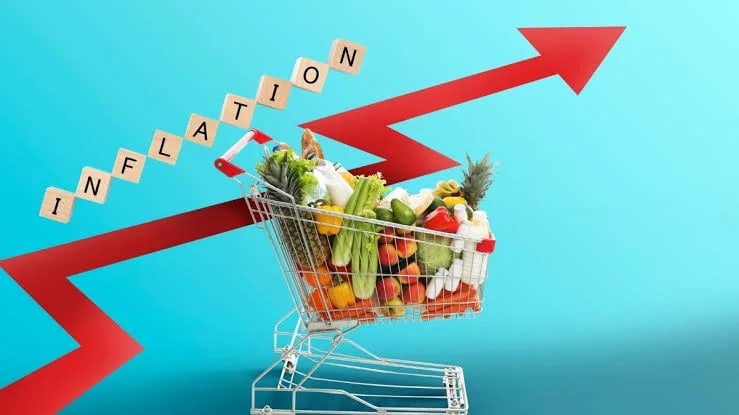
Food inflation in India reaches 8.94% in October 2026, as rising vegetable, rice, pulses and cooking oil prices increase household expenses.
Food inflation in India is becoming a growing concern as rising prices of vegetables, rice, pulses, edible oil and other essential commodities put increasing pressure on household budgets. According to the latest government data, India's retail inflation increased to 6.09% in October 2026, compared with 5.54% in September. However, food inflation climbed significantly higher, reaching 8.94%, highlighting the growing cost of everyday food items across the country.
The increase in food prices is affecting households in both rural and urban India, with rural areas experiencing slightly higher food inflation. Food inflation stood at 9.09% in rural India, compared with 8.68% in urban areas. The rising cost of essential commodities is creating financial challenges for families, particularly those with limited incomes and a large proportion of monthly spending allocated to food.
Weather Conditions and Supply Disruptions Drive Food Prices
Several factors are contributing to rising food inflation in India, including unpredictable weather conditions, supply shortages and increasing agricultural input costs. India's agricultural sector remains highly dependent on rainfall, with nearly 60% of farmland relying on rainwater. This makes agricultural production vulnerable to changes in monsoon patterns and extreme weather conditions.
The southwest monsoon this year was reportedly 13% below normal and unevenly distributed across different regions. Meanwhile, intensifying El Niño conditions have increased concerns about agricultural production and the availability of essential food commodities.
Disruptions in agricultural supply can affect the production and distribution of vegetables, grains and other food products. When supplies become limited while consumer demand remains strong, market prices can increase rapidly.
Vegetable Prices and Essential Commodities Increase Household Expenses
Vegetables have become one of the major contributors to rising household food expenses. Onion prices, in particular, have increased significantly, adding to the financial pressure on consumers. Tomatoes and other vegetables have also contributed to higher grocery bills.
According to Crisil's Roti Rice Rate analysis, the cost of a home-cooked vegetarian thali increased by 12% year-on-year in October 2026. The increase was driven by higher prices of onions, tomatoes, vegetables, edible oil, rice and cooking gas. Meanwhile, the cost of a non-vegetarian thali increased by 9% during the same period.
Essential food commodities have also recorded notable price increases. Rice prices rose approximately 10% year-on-year, pulses increased by 8%, edible oil became 13% more expensive and LPG prices increased by 10%.
These increases demonstrate that food inflation is no longer limited to a few vegetables or seasonal commodities. Instead, multiple essential items are becoming more expensive, making it increasingly difficult for households to manage their monthly grocery budgets.
Rising Food Inflation Affects Lower-Income Households the Most
The impact of food inflation is particularly significant for lower-income families because they generally spend a larger proportion of their earnings on essential goods. Unlike wealthier households, families with limited financial resources have fewer opportunities to adjust their spending when food prices increase.
Calculations by Crisil chief economist Dharmakirti Joshi indicate that the bottom 20% of rural households experienced inflation of 6.9% in October, compared with 6.5% for the richest 20%. In urban India, inflation for the lowest-income 20% stood at 6.1%, while the richest 20% experienced 5.3%.
This difference highlights how inflation can create unequal financial pressure across income groups. While higher-income households may reduce spending on non-essential purchases, lower-income families often have limited flexibility because food and other essential expenses cannot easily be avoided.
Consumers Reduce Spending as Household Costs Increase
The rising cost of essential commodities is also changing consumer behaviour. A survey conducted by polling agency LocalCircles found that six in ten consumers reported spending more than 20% extra on household essentials each month compared with the previous year.
The survey also indicated that 74% of consumers were reducing discretionary spending on activities such as eating out, shopping and entertainment. Around half of the surveyed consumers reported purchasing smaller quantities of essential items to manage increasing expenses.
These changes suggest that food inflation is affecting more than grocery shopping. Higher household expenses can reduce spending across other sectors, potentially affecting retail businesses, restaurants, entertainment services and consumer demand.
Food Continues to Play a Major Role in India's Inflation
Although food accounts for a smaller share of household expenditure than in previous years, it remains one of the most important contributors to India's overall inflation. In the latest Consumer Price Index basket, food and beverages account for 36.75% of the total weight.
This is lower than the previous series, where food and beverages represented 45.86% of the inflation basket. The change reflects evolving consumption patterns as Indian households increasingly spend on services, healthcare, education, transportation and other non-food categories.
However, the significant weight assigned to food means that increases in essential commodity prices can still influence the overall inflation rate considerably.
Improving Food Supply Chains Could Help Control Inflation
Managing food inflation requires more than increasing agricultural production. Efficient storage, processing, transportation and distribution systems are equally important for maintaining stable food supplies and reducing unnecessary price fluctuations.
Weaknesses in storage facilities and transportation networks can turn seasonal shortages into sharp price increases. At the same time, inadequate infrastructure can lead to food wastage when agricultural production exceeds market demand.
Improving agricultural infrastructure, strengthening supply chains, reducing post-harvest losses and ensuring better market connectivity could help limit price volatility. Better coordination between farmers, distributors and retailers may also improve the availability of essential commodities across different regions.
Outlook: Rising Food Prices Remain a Concern for Indian Households
The latest increase in food inflation in India highlights the continuing challenges facing consumers, policymakers and the agricultural sector. Higher prices of vegetables, rice, pulses, edible oil and cooking gas are increasing the cost of everyday living, with lower-income households experiencing particularly strong pressure.
Weather uncertainty, agricultural supply disruptions and rising input costs could continue influencing food prices in the coming months. For households, the immediate concern remains managing essential expenses without significantly reducing their consumption.
For policymakers, maintaining stable food supplies, strengthening agricultural infrastructure and monitoring essential commodity prices will remain important priorities. The ability to control food price fluctuations will play a significant role in protecting household purchasing power and supporting India's broader economic stability.
Source : https://www.bbc.com/news/articles/cmy0xj41kl50o
Follow The Global Biz Insider for more such News .