Global Tech Stocks Plunge Amid US Midterm and AI Fears
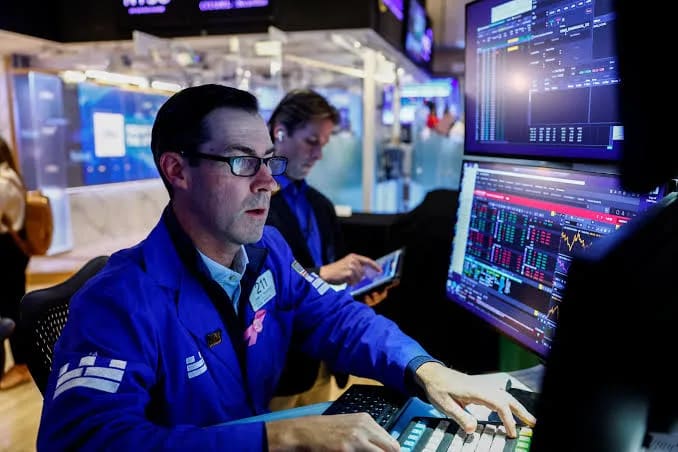
Global tech stocks plunge as US midterm results raise AI slowdown fears, triggering sharp losses in Nvidia, AMD and major global markets.
Global tech stocks plunge as investors react to the results of the US midterm elections and growing concerns about a potential slowdown in artificial intelligence (AI) infrastructure investments. Technology shares across global markets came under heavy selling pressure on Thursday, November 5, 2026, as political uncertainty, fears of tighter regulations and questions over the profitability of AI investments unsettled investors.
The sell-off particularly affected companies involved in semiconductor manufacturing, cloud computing and data centre development. Investors are increasingly concerned that political pressure and public opposition could slow the rapid expansion of AI infrastructure, which has been a major driver of technology sector growth.
US Midterm Election Results Trigger Market Concerns
The latest US midterm election results have added fresh uncertainty to financial markets. Strong Democratic victories have raised expectations of increased scrutiny of data centre construction and artificial intelligence development.
Several Democratic politicians have expressed concerns about the impact of large data centres on electricity prices, water consumption and local communities. Some have also supported stronger regulations and restrictions on new data centre projects.
Investors fear that these political developments could make it more difficult for technology companies to expand their AI infrastructure operations. A slowdown in data centre construction could directly affect demand for advanced processors, electricity equipment, cloud services and other technology-related products.
According to Reuters, Democratic election victories have strengthened the position of politicians seeking greater oversight of AI infrastructure development, creating fresh uncertainty for companies that have invested heavily in the sector.
Major US Stock Markets Record Sharp Declines
The concerns triggered one of the sharpest single-day declines in the US stock market in recent months. On Thursday, the major American stock indices recorded substantial losses as technology and AI-related shares led the downturn.
The S&P 500 declined approximately 4.4%, closing at 7,353.73 points. The Dow Jones Industrial Average dropped 1,833 points, or 3.4%, to 51,523.06. Meanwhile, the technology-heavy Nasdaq Composite fell 5.5% to 24,315 points.
The Nasdaq's decline pushed the index into correction territory, meaning it had fallen more than 10% from its recent record high.
The market decline also reflected broader concerns about the financial sustainability of the AI investment boom and the possibility of reduced spending on technology infrastructure.
Nvidia and Other AI Companies Face Heavy Selling
Leading artificial intelligence companies and semiconductor manufacturers experienced significant losses during Thursday's trading session.
Nvidia, one of the biggest beneficiaries of the global AI boom, saw its shares decline 9.3%. Advanced Micro Devices (AMD) recorded an even sharper fall of 17.3%, while cloud computing infrastructure provider CoreWeave dropped 9.8%. 1GE Vernova, which supplies equipment and technology supporting electricity infrastructure, also experienced a 7.5% decline.
The losses highlight how closely the stock market has become linked to expectations surrounding AI development. Companies involved in manufacturing AI chips, operating data centres and supplying electricity infrastructure have attracted substantial investor interest over recent years.
However, concerns about rising financing costs, infrastructure spending and future profitability are now creating pressure across the sector.
Global Markets Also Feel the Impact
The technology sell-off extended beyond the United States, affecting major Asian markets and increasing uncertainty among international investors.
South Korea's Kospi index declined 5.3%, while Japan's Nikkei and other Asian technology-heavy markets also experienced significant selling pressure. Semiconductor companies and businesses connected to AI infrastructure were particularly vulnerable. Reuters reported that Japan's Nikkei fell around 6%, while South Korean and Taiwanese markets experienced intraday declines exceeding 8% during the broader market turmoil.
The developments demonstrate how closely connected global financial markets have become to the performance of US technology companies. Since American firms dominate several important areas of AI development, uncertainty surrounding their future investments can quickly affect technology stocks worldwide.
Investors Question the Sustainability of AI Investments
Beyond political developments, investors are increasingly questioning whether the enormous investments being made in artificial intelligence will generate sufficient financial returns.
Major technology companies have committed billions of dollars to building data centres, purchasing advanced processors and expanding cloud computing infrastructure. Although these investments have supported strong growth expectations, concerns are emerging about the costs involved and the time required to generate meaningful returns. High borrowing costs have also increased the financial pressure on companies that depend on external financing to develop large infrastructure projects.
Additionally, public opposition to data centres has become a growing challenge. Communities in several locations have raised concerns about electricity consumption, water requirements, environmental effects and the potential impact on household utility bills.
If these challenges result in delayed or cancelled projects, companies supplying AI-related infrastructure could face weaker demand.
What the Technology Sector Could Expect Next
The recent decline highlights the growing uncertainty surrounding the future of the global artificial intelligence industry. Investors are likely to closely monitor regulatory developments, corporate earnings, infrastructure spending plans and the ability of technology companies to generate returns from their AI investments.
Although the latest market correction does not necessarily indicate the end of the AI boom, it suggests that investors are becoming more selective about technology companies and their growth prospects.
For global technology businesses, the coming months could be important in determining whether AI investment continues at its current pace or enters a period of slower expansion.
The performance of semiconductor manufacturers, cloud computing providers and data centre operators will remain particularly important for understanding the direction of global technology markets.
Source : https://www.bbc.com/news/articles/cmn04705rd8jo
Follow The Global Biz Insider For more such news articles .