Gulf Allies Prepare for New Iran Strikes, Regional Blowback
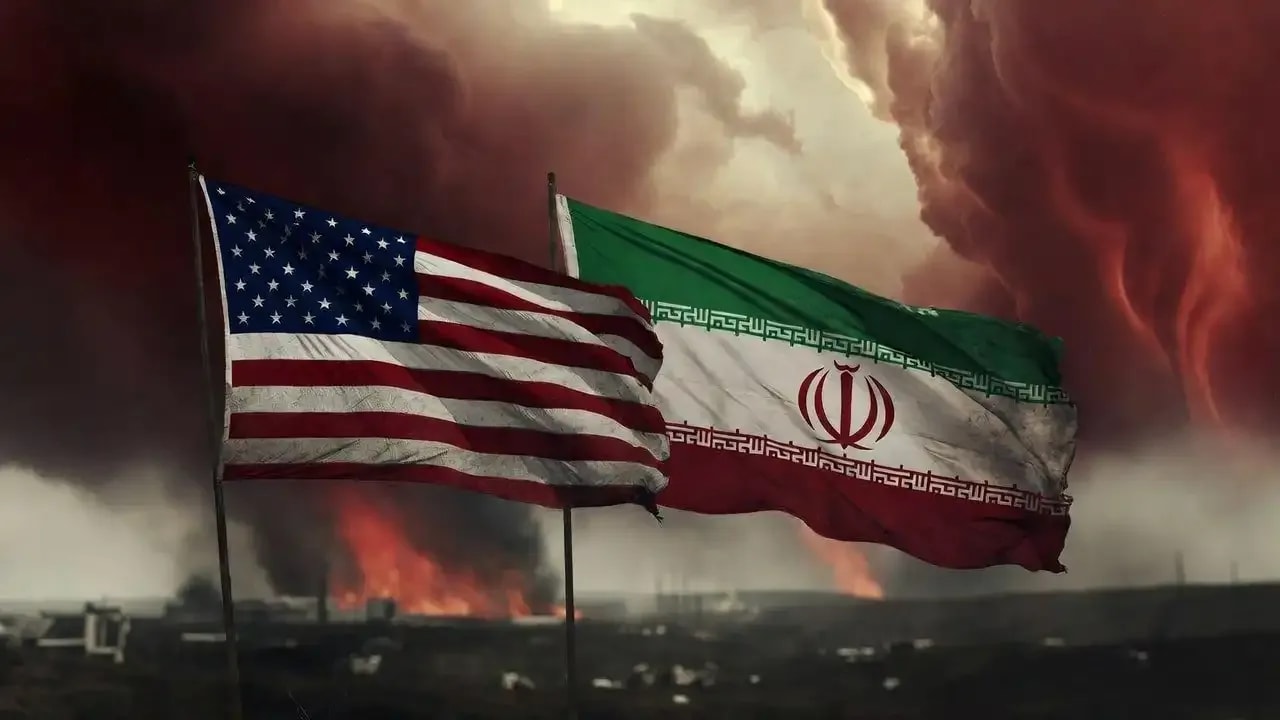
Explore why America’s Gulf allies are preparing for possible new strikes on Iran, the risks of retaliation, and the impact on regional security
Growing tensions between the United States and Iran have raised concerns across the Middle East, particularly among America’s Gulf allies. According to reports, Gulf governments are preparing for the possibility of renewed military strikes against Iran and the potential consequences of another escalation. The situation highlights the difficult position of regional partners who rely on American security support while remaining vulnerable to retaliation from Tehran. As diplomatic efforts struggle to achieve meaningful progress, concerns about regional stability, economic security, and military preparedness are becoming increasingly important.
Why the United States Is Considering Further Military Action
The possibility of renewed American military action against Iran is connected to Washington’s concerns about Iran’s nuclear programme, missile capabilities, and regional influence. American officials have maintained that preventing Iran from developing nuclear weapons remains a major foreign policy priority. However, military action could create significant challenges for the United States and its regional partners. While strikes may weaken certain Iranian military capabilities, their long-term effectiveness remains uncertain. Analysts have questioned whether renewed attacks would encourage Tehran to negotiate or instead strengthen its determination to resist American pressure.
Gulf Allies Face the Risk of Iranian Retaliation
One of the biggest concerns for Gulf countries is the possibility of Iranian retaliation following any American military operation. Countries hosting American military facilities could become potential targets during an escalation. Iran has previously demonstrated its ability to target military installations and critical infrastructure in the region, raising concerns about the vulnerability of Gulf states. Governments are therefore considering security measures to protect military bases, airports, energy facilities, and civilian infrastructure. The possibility of retaliation places Gulf allies in a difficult position, as they must balance their strategic relationships with Washington against the risks of becoming directly involved in a wider conflict.
Regional Security and Military Preparedness
The prospect of renewed conflict has increased the importance of military preparedness across the Gulf region. Governments are reviewing their security arrangements, strengthening defensive capabilities, and preparing for potential disruptions. Missile defence systems, intelligence cooperation, and emergency planning have become central to regional security discussions. However, military preparedness alone may not prevent escalation. A prolonged confrontation could expose weaknesses in regional defence coordination and create additional pressure on countries already dealing with economic and political challenges.
The Economic Consequences of a Wider Middle East Conflict
A renewed conflict between the United States and Iran could have serious consequences for the global economy. The Gulf region plays a crucial role in international energy production and transportation, making it particularly sensitive to geopolitical instability. Any disruption to oil production, shipping routes, or energy infrastructure could influence global oil prices and increase uncertainty in financial markets. Businesses and governments outside the Middle East could also experience the effects through higher energy costs, transportation expenses, and supply chain disruptions. These economic risks explain why Gulf governments are concerned about the consequences of military escalation beyond their immediate borders.
The Importance of Diplomacy and Negotiations
Despite growing military preparations, diplomatic negotiations remain an important option for preventing further escalation. Regional countries have continued to encourage dialogue between Washington and Tehran, recognising that military confrontation could create long-lasting instability. Negotiations involving nuclear concerns, economic sanctions, maritime security, and regional military activities could provide opportunities for reducing tensions. However, differences between the United States and Iran have made diplomatic progress difficult. Both sides face political and strategic challenges that complicate efforts to reach a sustainable agreement.
Could Renewed Strikes Lead to a Wider Regional Conflict?
The possibility of renewed military strikes raises concerns about whether the conflict could expand beyond the United States and Iran. Gulf countries, Israel, and other regional actors could become involved directly or indirectly, depending on the scale of retaliation. Attacks on military bases, energy infrastructure, or shipping routes could create additional security challenges and increase the likelihood of further military responses. The situation demonstrates how quickly a regional confrontation can develop into a broader geopolitical crisis when several countries have competing interests and security commitments.
Conclusion
The preparations of America’s Gulf allies for possible new strikes against Iran highlight the growing uncertainty surrounding Middle Eastern security. While the United States continues to consider military options, regional governments remain concerned about retaliation, economic disruption, and the possibility of a wider conflict. The effectiveness of military action remains uncertain, and renewed strikes could create consequences that extend far beyond their immediate objectives. As tensions continue to rise, diplomatic engagement, regional cooperation, and careful strategic decision-making will remain essential for preventing further instability.
Ultimately, the future of US-Iran relations will depend on whether both sides can find a path toward reducing tensions and addressing their competing security concerns. The decisions made in the coming weeks could significantly influence the future of Gulf security, international energy markets, and the broader geopolitical balance in the Middle East.
Source: https://www.wsj.com/world/middle-east
Follow: https://thebizfrontier.com/ for global news