Houthi Attacks on Saudi Arabia Raise Security Concerns
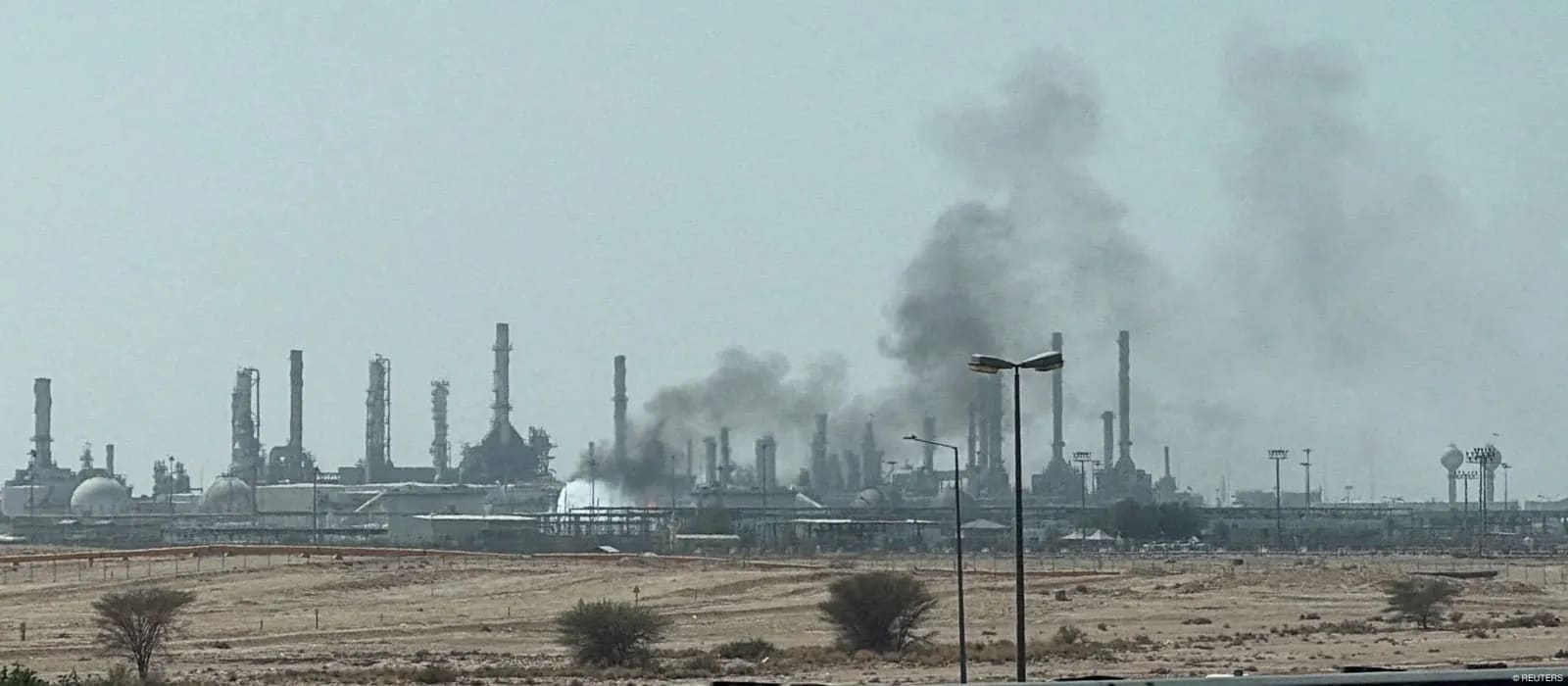
Houthi attacks on Saudi Arabia are escalating, with 274 reported strikes involving drones and missiles, raising concerns over national security.
Saudi Arabia is facing growing security concerns as Houthi attacks involving drones and ballistic missiles increasingly target its cities and critical infrastructure. A rise in cross-border strikes has challenged the kingdom's image as a secure regional destination, with Riyadh and other areas experiencing heightened threats amid renewed tensions in Yemen.
According to an investigation by BBC correspondent Nawal Al-Maghafi, Saudi Arabia recorded 274 Houthi attacks between 1 July and 25 November, based on data from the Armed Conflict Location and Event Data Project (ACLED). While most incoming threats were intercepted, at least 41 attacks were not, with some interception debris also causing damage.
The escalation follows the breakdown of an informal ceasefire in Yemen in July. The Houthis have intensified their attacks on Saudi territory, claiming retaliation for Saudi air strikes in Yemen and what they describe as restrictions on ports and airports in areas under their control.
One of the deadliest incidents occurred on 10 October, when a Houthi strike targeted King Khalid International Airport in Riyadh. The attack reportedly killed 13 people and injured more than 300, making it one of the deadliest attacks on Saudi soil in recent years.
Survivors and witnesses described scenes of panic, injuries and widespread confusion inside the airport terminal. A young Saudi engineer who was present during the incident recalled seeing injured passengers and people covered in blood as emergency services responded to the attack.
The increasing frequency of Houthi attacks represents a significant change in the regional security situation. ACLED data shows that drones were involved in almost two-thirds of the recorded attacks, while ballistic missiles featured in more than half. In comparison, the organisation recorded only one Houthi attack on Saudi Arabia during the previous five-month period.
Backed by Iran, the Houthi movement has developed increasingly advanced military capabilities, allowing it to launch repeated attacks deeper into Saudi territory. This growing arsenal has increased concerns about the protection of airports, oil facilities and other strategic infrastructure.
The conflict has also affected civilians on both sides of the border. Yemen continues to face a prolonged humanitarian crisis, forcing people such as Abu Khalil to leave their homes in search of safety and employment opportunities in neighbouring Saudi Arabia.
The latest escalation presents a challenge for Saudi Arabia as it seeks to maintain its reputation as a stable destination for international business, tourism and investment. Continued drone and missile threats could increase pressure on its security infrastructure and raise wider concerns about stability across the Middle East.
With tensions between the Houthis and Saudi Arabia continuing, the kingdom faces the challenge of protecting its population and critical infrastructure while navigating an increasingly uncertain regional security environment.
Source : https://www.bbc.com/news/articles/c6ly7jgv7jzdo
Follow The Global Biz Insider for more such News .