Houthis Attack Saudi Oil Refinery: Blasts Shake Riyadh
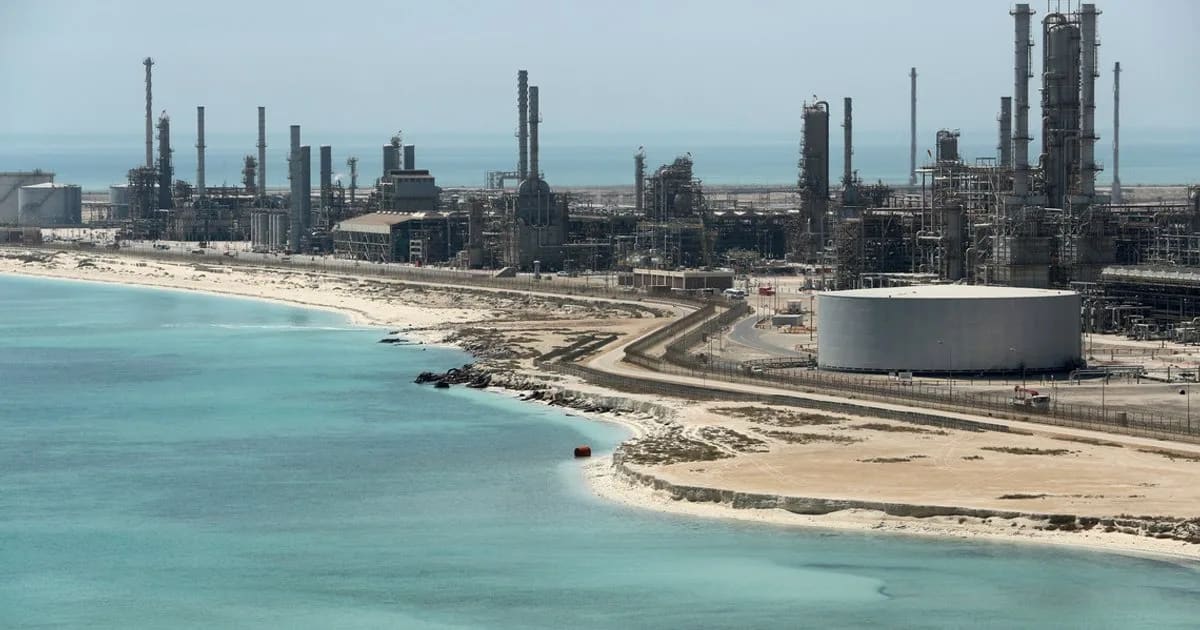
Houthis attack Saudi oil refinery, claiming a missile strike on Ras Tanura as explosions shake Riyadh and regional tensions escalate.
The Houthis attack Saudi oil refinery claim has intensified concerns over Middle East security after Yemen’s Houthi movement said it targeted Saudi Arabia’s Ras Tanura oil refinery with a ballistic missile on Tuesday, October 27, 2026. The development came as explosions were heard in Riyadh and Saudi authorities reported intercepting missiles launched towards the capital.
The Houthi movement claimed that its missile struck the Ras Tanura complex on Saudi Arabia’s eastern Gulf coast and caused a major fire. However, Saudi authorities did not immediately confirm that the refinery itself had been hit. Separate reports indicated that a fire near the oil terminal had been contained, although the extent of the damage and any disruption to operations remained unclear.
The reported incident comes amid escalating hostilities involving the Houthis and Saudi Arabia, raising concerns about energy infrastructure, oil exports and shipping routes across the region.
What Happened at Saudi Arabia’s Ras Tanura Oil Refinery?
According to reports, Houthi military spokesperson Yahya Saree announced that the group had launched a ballistic missile at the Ras Tanura oil refinery. He claimed the attack caused extensive fires at the facility.
Ras Tanura is one of Saudi Arabia’s most important oil-processing and export centres. The complex has a reported refining capacity of approximately 550,000 barrels per day and includes a major oil terminal on the Persian Gulf.
Saudi Arabia relies on key export facilities, including Ras Tanura and Yanbu, to move crude oil to international markets. Any prolonged disruption to these facilities could create logistical challenges for oil shipments and intensify concerns among energy traders.
At the time of reporting, the full extent of the alleged strike’s impact had not been independently established. The Houthi statement should therefore be distinguished from independently verified damage to the refinery.
Explosions Shake Riyadh as Saudi Arabia Intercepts Missiles
The refinery claim coincided with reports of explosions in Riyadh, Saudi Arabia’s capital. Saudi authorities said air defences intercepted ballistic missiles launched towards the city.
According to reports published on October 28, debris from intercepted missiles caused damage to a building, a construction site and a vehicle. No casualties were reported in those accounts.
The Houthi movement separately claimed that it had targeted Saudi Arabia’s Ministry of Defence with a ballistic missile. Saudi authorities did not confirm the group’s claim that the ministry had been directly struck.
The reported interceptions highlight the continuing security threat posed by missile and drone attacks. They have also increased concerns about the safety of civilian areas, military facilities and critical infrastructure.
Why Ras Tanura Is Important to Global Oil Markets
The Ras Tanura oil refinery and terminal are strategically important because Saudi Arabia is one of the world’s leading crude oil exporters.
The facility’s location on the Gulf makes it a major component of the country’s energy export network. Disruptions at the complex could affect refinery operations, oil-loading schedules and the movement of crude supplies, depending on the severity and duration of any damage.
The broader regional situation is also important for international energy markets. The Middle East contains major oil-producing countries and strategically significant maritime routes, including the Strait of Hormuz and the Bab el-Mandeb Strait.
Any escalation that threatens oil facilities, pipelines or shipping lanes can increase uncertainty about supply availability, transport costs and insurance premiums.
However, an attack claim alone does not establish that Saudi Arabia’s overall oil exports have been significantly reduced. The actual market impact will depend on verified damage, operational conditions and the ability of energy companies to maintain shipments through alternative routes.
Middle East Conflict Raises Concerns Over Oil Prices
The latest developments have renewed concerns about the potential impact of regional hostilities on global oil prices. Energy markets are sensitive to threats against major producers and export infrastructure because even the possibility of supply disruptions can influence trading decisions.
Reuters reported on October 28 that oil prices rose following the reported refinery attack, reflecting renewed concerns about Middle East supply risks. Brent crude futures and US West Texas Intermediate futures both recorded gains in early trading.
Market movements can also reflect other factors, including expectations for demand, commercial inventories, production decisions and diplomatic developments. Consequently, the refinery incident is one element in a broader set of influences on crude prices.
If hostilities continue to threaten energy infrastructure or shipping routes, traders may face greater uncertainty over future supply conditions. Conversely, credible de-escalation efforts and confirmation that facilities are operating normally could help ease some of those concerns.
Houthi-Saudi Tensions and the Risk of Wider Escalation
The latest claims come amid an intensification of fighting involving Yemen’s Houthis and Saudi Arabia. The group has also reported attacks on other Saudi military and strategic targets, including aircraft and airport facilities.
Saudi Arabia, meanwhile, has reported intercepting missiles and drones directed towards its territory. The developments point to a widening range of potential targets, from military installations to energy infrastructure and civilian transport facilities.
The conflict carries implications beyond the immediate parties. Continued attacks could place additional pressure on regional security arrangements, complicate diplomatic efforts and increase risks to commercial shipping.
The situation around the Bab el-Mandeb Strait is particularly significant because the waterway connects the Red Sea with the Gulf of Aden and serves as an important route for international maritime trade.
Further escalation could create additional uncertainty for shipping companies, energy traders and governments seeking to protect critical trade routes.
What Happens Next?
The next major developments will depend on confirmation of damage at Ras Tanura, the status of oil-terminal operations and any further military action by the Houthis or Saudi-led forces.
Energy markets will also monitor whether the incident leads to measurable supply disruptions or further restrictions affecting regional shipping.
Diplomatic efforts aimed at reducing tensions will remain important as governments assess the risks of a wider confrontation. Verified information from Saudi authorities, energy operators and independent reporting will be essential to understanding the incident’s actual consequences.
For now, the reported missile attack and explosions in Riyadh underscore the vulnerability of strategic energy infrastructure during periods of regional conflict. However, the extent of damage at Ras Tanura and the longer-term impact on Saudi oil exports remain uncertain.
Conclusion
The Houthis attack Saudi oil refinery claim has brought renewed attention to the security of Saudi Arabia’s energy infrastructure and the potential consequences for global oil markets. While the Houthis reported a missile strike on Ras Tanura and Saudi authorities confirmed missile interceptions over Riyadh, the refinery damage and operational impact had not been fully verified at the time of reporting.
As regional tensions continue, developments involving oil facilities, export terminals and critical shipping routes will remain important indicators for energy markets and international security.
Source : https://l1nq.com/i42bpsy
Follow The Global Biz Insider For More Such News .