Iran Attacks Kuwait and Bahrain as Strait of Hormuz Conflict Escalates
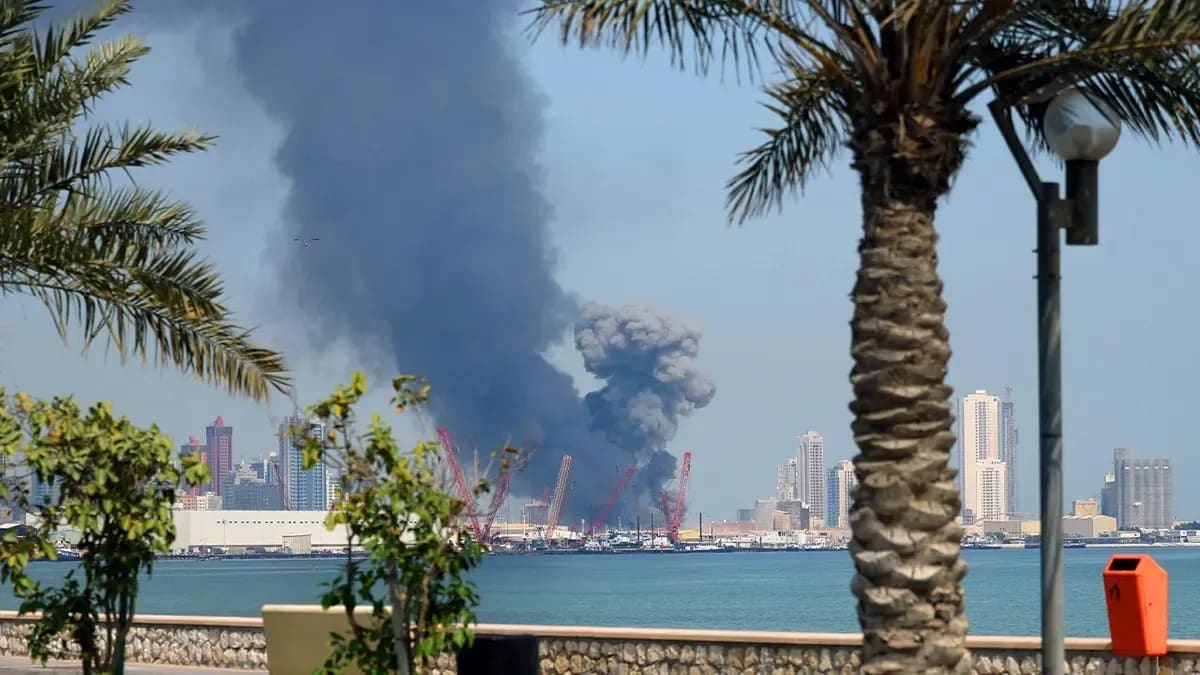
Iran attacks Kuwait and Bahrain, escalating tensions over the Strait of Hormuz and raising concerns about global oil supplies, shipping security and Middle East
The Middle East is witnessing another significant escalation as Iran launches fresh attacks against Kuwait and Bahrain, widening the ongoing conflict over the strategically important Strait of Hormuz. The latest developments have increased regional security concerns and raised fears of a broader confrontation involving Iran, the United States and its Gulf allies. The attacks come amid continuing tensions over maritime security, military operations and stalled diplomatic negotiations.
Iran Expands Military Attacks Across the Gulf
Iran launched attacks against Kuwait and Bahrain early Wednesday, November 18, further intensifying the regional conflict. Kuwait's military reported incoming drone attacks, while Iran claimed that it had targeted Ali Al Salem Air Base, a military facility that hosts American forces. Kuwait's air defence systems responded to the incoming threats, although authorities did not immediately confirm significant damage.
Meanwhile, Bahrain experienced missile alerts and explosions before sunrise. The country's air defence systems reportedly intercepted several incoming attacks. Bahrain has become an increasingly important location in the conflict because it hosts the United States Navy's Fifth Fleet, making it a strategically significant military centre in the Persian Gulf.
The latest attacks highlight how quickly tensions between Iran and the United States can spread beyond their immediate military confrontation and threaten neighbouring Gulf countries.
Strait of Hormuz Becomes the Centre of Regional Tensions
The Strait of Hormuz remains one of the most strategically important waterways in the world. Located between Iran and Oman, this narrow maritime passage connects the Persian Gulf with the Gulf of Oman and the Arabian Sea. It serves as a major international shipping route for crude oil, natural gas and other essential commodities.
Any disruption to shipping activities in the Strait of Hormuz can have serious consequences for international energy markets and global trade. Iran's increasing military activity around the waterway has raised concerns among shipping companies, energy suppliers and international governments.
Recent attacks on commercial vessels have further complicated the situation. A natural gas tanker, the Tara Gas, caught fire following an attack in the Strait of Hormuz, while another commercial vessel was also reportedly targeted. These incidents demonstrate the growing risks faced by international shipping operations in the region.
US Military Response Adds to Regional Uncertainty
The United States has maintained a significant military presence in the Middle East as tensions with Iran continue. Recent developments include American strikes against an Iranian missile launch site on Qeshm Island, located in the Strait of Hormuz. Washington described its military operations as responses to threats against American personnel and military facilities.
The United States has also strengthened its naval presence in the region, with additional aircraft carriers and military assets increasing its operational capabilities. However, the growing military presence has not prevented further Iranian attacks against American allies and regional facilities.
The situation presents a difficult challenge for Washington. A stronger military response could trigger further retaliation from Tehran, while a limited response could encourage additional attacks. Consequently, the United States must balance military deterrence with diplomatic efforts to prevent a wider regional war.
Kuwait and Bahrain Face Growing Security Challenges
The latest Iranian attacks have placed Kuwait and Bahrain under renewed security pressure. Both countries have strategic importance in the Gulf region because of their geographical locations, energy infrastructure and military cooperation with the United States.
Kuwait's Ali Al Salem Air Base is an important military facility supporting American operations in the region. Bahrain, meanwhile, hosts the US Navy's Fifth Fleet, which plays a major role in maritime security and naval operations across the Middle East.
Repeated attacks against these countries could create serious challenges for regional stability. Beyond military installations, Gulf countries also need to protect their airports, energy facilities, commercial ports and civilian infrastructure. The possibility of further attacks has increased concerns about the security of the wider Persian Gulf region.
Global Oil Markets and International Trade at Risk
The escalating conflict around the Strait of Hormuz has important economic implications for countries around the world. Since the waterway is a major route for international oil transportation, prolonged disruptions could affect crude oil supplies, shipping costs and energy prices.
Countries that depend heavily on imported oil and natural gas could face additional economic pressure if maritime transportation becomes increasingly difficult. Higher energy costs may also contribute to inflation by increasing transportation, manufacturing and production expenses.
For developing economies, particularly those that depend on imported energy, prolonged instability in the Middle East could create additional financial challenges. Businesses involved in international logistics, aviation, shipping and energy distribution may also experience higher operating costs.
Therefore, maintaining freedom of navigation through the Strait of Hormuz is not simply a regional security issue but an important priority for the global economy.
Diplomatic Negotiations Face Further Complications
Despite ongoing diplomatic initiatives, efforts to reduce tensions between Iran and the United States remain uncertain. Qatar has continued its mediation efforts, attempting to encourage dialogue and prevent the conflict from expanding further.
However, disagreements over sanctions, economic restrictions, military operations and Iran's nuclear programme have made negotiations increasingly difficult. The latest attacks against Kuwait and Bahrain have added another obstacle to diplomatic progress.
The United States has indicated a preference for maintaining economic pressure on Tehran, while Iran continues to demand concessions and relief from restrictions. Without meaningful diplomatic progress, the possibility of further military confrontation remains a serious concern.
What the Latest Escalation Means for the Middle East
The attacks against Kuwait and Bahrain demonstrate the growing complexity of the conflict involving Iran, the United States and other regional powers. What initially centred on military confrontation and control over the Strait of Hormuz is increasingly affecting neighbouring countries, international shipping and global energy security.
The situation also highlights the vulnerability of Gulf nations despite their military partnerships and strategic importance. Continued attacks could increase regional instability, disrupt international trade and create additional pressure on governments attempting to protect their economic and security interests.
Ultimately, preventing a wider conflict will require diplomatic engagement, regional cooperation and efforts to ensure the safety of international maritime routes. As military tensions continue, the international community will be closely monitoring developments around the Strait of Hormuz and their potential consequences for global stability.
Source: https://www.wsj.com/world/middle
Follow: https://globalbizinsider.com/