Iran Protests: Mother Seeks Justice After Daughter's Death
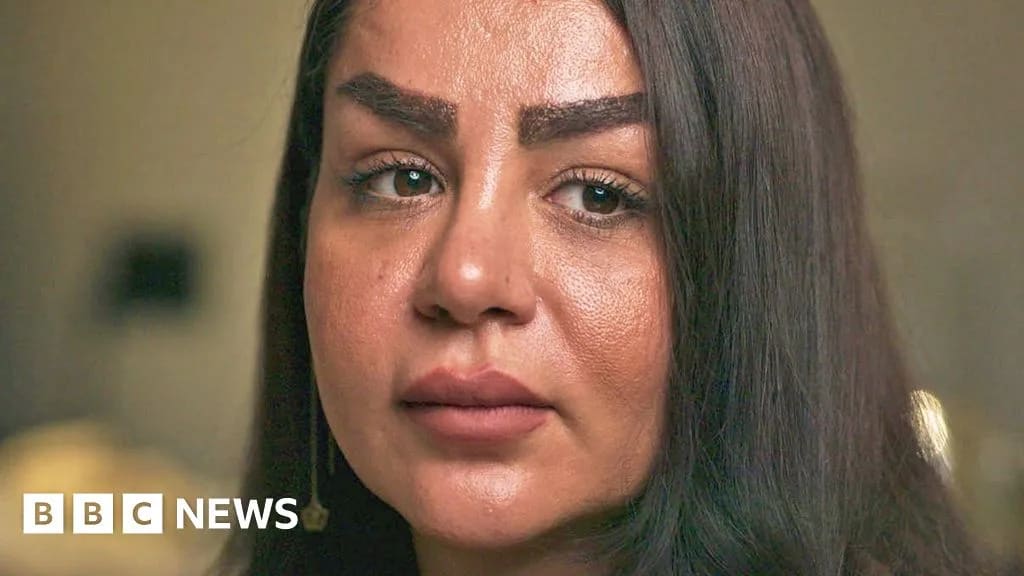
Iran protests: A mother fights for justice after her 16-year-old daughter was killed during demonstrations, despite threats and harassment.
Iran Protests have left families devastated, with one mother now taking a public stand against the Iranian regime after her 16-year-old daughter, Sevda, was shot dead during demonstrations in January. The mother, identified as Samira, says she is determined to seek justice for her daughter despite threats, harassment and the risk to her own life.
The story highlights the human cost of Iran's crackdown on protesters and the growing demands for accountability from families who lost loved ones during the unrest.
Mother Turns Grief Into a Fight for Justice
Samira says she was not particularly interested in politics before her daughter was killed. She worked in sales, selling cosmetics, and had never imagined becoming involved in a public campaign against Iran's authorities.
However, everything changed on 9 January, when she and Sevda joined demonstrations on the outskirts of Tehran. The protests, which had initially been triggered by economic dissatisfaction, had developed into wider demands for an end to Iran's Islamic Republic.
According to Samira's account to BBC Panorama, Sevda was participating actively in the demonstrations and had been inspired by previous female protesters, including Mahsa Amini and Nika Shakarami.
During the demonstration, Sevda reportedly stood on a dustbin and led protest chants. Samira says security forces were heavily deployed in the area when a sniper fired from a nearby rooftop, hitting her daughter in the heart.
She rushed Sevda to a hospital but was later confronted with the devastating sight of her daughter inside a body bag.
Search for Her Daughter's Body and Alleged Harassment
Finding Sevda's body became another painful struggle for Samira. She alleges that authorities made the process difficult and that she spent days searching through bodies at one of Tehran's largest morgues.
Eventually, she found her daughter among several other victims.
Samira claims that officials pressured her to state that terrorists, rather than security forces, were responsible for Sevda's death. She also alleges that authorities restricted her family's ability to visit the grave and organise memorial activities.
According to her account, intelligence officials later summoned her and offered benefits, including a house, if she publicly described her daughter as a member of the Basij force who had been killed by protesters.
Samira says she rejected the offer because she did not want to compromise the truth about her daughter's death.
Samira Escapes Iran Amid Growing Threats
After refusing to cooperate with the authorities, Samira decided to leave Iran. She says people smugglers helped her escape through dangerous mountainous terrain, crossing rivers and travelling on foot to reach safety.
She now lives abroad in hiding and continues speaking publicly about her daughter's death.
Samira has also taken her campaign online, publishing the names of Iranian security personnel and officials she believes were responsible for the fatal shootings during the January demonstrations. Her objective is to identify those involved and ensure they face legal accountability.
Her activism has reportedly attracted further threats. After one of the men she had named online was later found dead, a supporter of the Iranian regime reportedly offered a $5,000 reward for information about her whereabouts, believing she was connected to his death. Iranian state media subsequently reported the arrest of nine people in connection with the killing.
Samira denies being silenced by these developments and says she intends to continue her campaign for justice.
Iran's Protest Crackdown and Rising Death Toll
The January demonstrations represented a major challenge to Iran's political establishment. What began with public dissatisfaction over economic conditions expanded into widespread protests calling for fundamental political change.
According to the report, Iranian authorities acknowledged that more than 3,000 people had died during the protests, although they said the figure included members of the security forces. Meanwhile, the human rights organisation HRANA estimated that the death toll exceeded 7,000, with most victims being protesters.
These figures reflect differing accounts of the violence and have not been independently reconciled.
The Iranian Embassy in London told BBC Panorama that peaceful and legitimate demonstrations had been hijacked by foreign powers, including the United States, which it accused of encouraging violence and undermining public security.
A Mother's Campaign for Accountability
Samira's story represents the personal cost of political unrest in Iran. Her daughter was just 16 when she was killed, and the mother says the experience has permanently changed her life.
She watched a memorial event for what would have been Sevda's 17th birthday from abroad through a livestream. According to her account, the gathering was interrupted, and some relatives and friends were arrested.
Despite living in exile and facing continuing threats, Samira says she will not abandon her campaign.
Her demand is not simply to remember her daughter but to establish accountability for those responsible for the deaths of protesters. Her story also draws attention to the families who continue to seek answers after the violent suppression of demonstrations in Iran.
Source : https://www.bbc.com/news/articles/c3qjn8117kwjo
Follow The Global Biz Insider For More Such News .