Iran-Saudi Arabia Talks Continue Amid Rising Yemen Conflict
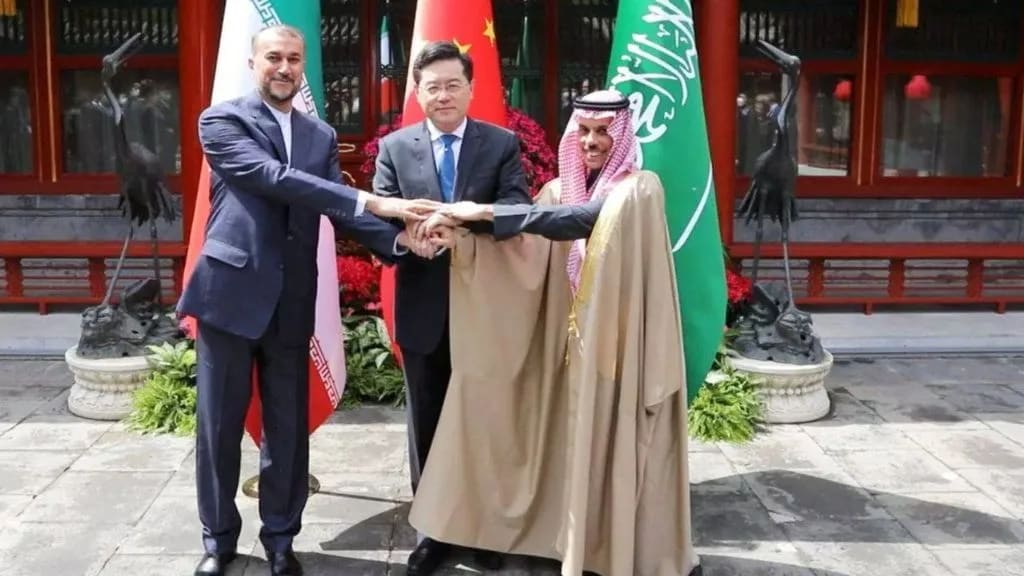
Iran and Saudi Arabia continue regional security talks as Yemen fighting intensifies, raising concerns over Middle East stability, oil supplies
Iran and Saudi Arabia are continuing diplomatic discussions aimed at establishing new regional security arrangements as tensions across the Middle East intensify. Iranian Foreign Minister Abbas Araqchi confirmed on November 3, 2026, that negotiations between Tehran and Riyadh remain ongoing. The discussions come at a critical time, with escalating violence in Yemen, increasing security concerns across the Arabian Peninsula, and continuing tensions involving Iran, the United States and Israel. The diplomatic developments highlight growing efforts among regional powers to prevent further military escalation and strengthen cooperation on security issues.
Iran Seeks Regional Security Arrangements Without Foreign Military Intervention
Iran is pursuing a regional security framework that would allow countries in the Middle East to address their security concerns without relying on foreign military involvement. According to Araqchi, the ongoing talks with Saudi Arabia are part of Tehran’s broader diplomatic strategy to promote regional cooperation and reduce external influence. These discussions could potentially create opportunities for improved relations between two influential Middle Eastern powers that have historically experienced significant political and strategic differences.
The latest diplomatic engagement follows a meeting in Tehran involving senior officials from Saudi Arabia, Turkey and Pakistan. This was the first high-level contact between Iran and representatives from these countries since August, reflecting renewed efforts to strengthen regional dialogue. Saudi Arabia reportedly intended the visit to establish communication channels that could help prevent a return to military escalation and encourage diplomatic solutions to ongoing conflicts.
Yemen Conflict Intensifies as Saudi Arabia Faces Growing Security Challenges
The ongoing Yemen conflict remains one of the major challenges facing regional stability. Fighting between Saudi Arabia and Yemen’s Iran-aligned Houthi movement has intensified in recent weeks, raising concerns about the possibility of a wider regional confrontation. The Houthis have reportedly increased attacks against Saudi targets while advancing towards the Bab el-Mandeb Strait, one of the world’s strategically important maritime chokepoints.
The Houthis have also targeted Saudi oil facilities and airports, including Riyadh’s international airport, disrupting aviation operations and oil exports. Saudi Arabia has responded with airstrikes in Yemen, further increasing tensions between the two sides. These developments demonstrate how the Yemen war continues to affect regional security, economic activity and diplomatic relations across the Middle East.
Strategic Importance of the Bab el-Mandeb Strait
The Bab el-Mandeb Strait plays a crucial role in international maritime trade and energy transportation. Located between Yemen and the Horn of Africa, the waterway connects the Red Sea with the Gulf of Aden and provides an important passage for commercial shipping travelling between Europe and Asia.
Growing military activity near this strategic maritime corridor has raised concerns about potential disruptions to global shipping routes. Any escalation around the Bab el-Mandeb Strait could affect international trade, increase transportation costs and create additional uncertainty for energy markets. Alongside concerns surrounding the Strait of Hormuz, developments in these waterways underline the importance of maintaining maritime security throughout the region.
Iran-Saudi Relations and the Future of Middle East Diplomacy
Iran and Saudi Arabia have long played influential roles in regional political and security developments. Their relationship has experienced periods of rivalry, diplomatic tension and attempts at reconciliation. Continued negotiations between the two countries could help reduce misunderstandings, encourage dialogue and create opportunities for cooperation on shared regional challenges.
However, the current situation remains complicated by ongoing conflicts, competing strategic interests and the involvement of external powers. The intensifying Yemen conflict presents an additional obstacle to diplomatic progress, particularly as security concerns continue to affect Saudi Arabia and other countries in the region. Whether the latest talks can translate into meaningful agreements will depend on the willingness of regional governments to prioritize dialogue and compromise.
Impact on Global Oil Markets and International Trade
The escalating Middle East conflict has important implications for global energy markets. Saudi Arabia is one of the world’s major oil producers, while Iran occupies a strategically significant position near important energy transportation routes. Any disruption to oil production, export infrastructure or maritime shipping could influence global energy prices and supply chains.
Rising geopolitical uncertainty may also affect international investors, shipping companies and businesses that depend on stable energy supplies. Continued diplomatic engagement between Iran and Saudi Arabia could help reduce some of these concerns if negotiations contribute to improved regional security. Nevertheless, the possibility of further military escalation remains an important factor for global markets.
Conclusion: Diplomatic Dialogue Remains Critical for Regional Stability
The continuation of Iran-Saudi Arabia talks represents an important diplomatic development amid intensifying Middle East tensions. With Yemen’s conflict escalating and strategic maritime routes facing growing security risks, regional cooperation has become increasingly important. Iran’s push for regional security arrangements without foreign military intervention reflects its broader effort to influence the future security framework of the Middle East.
Although diplomatic negotiations offer a potential pathway towards reducing tensions, significant challenges remain. The future of Iran-Saudi relations, the Yemen conflict and regional maritime security will continue to shape the geopolitical landscape. Sustained dialogue, diplomatic engagement and coordinated regional efforts will be essential to preventing further escalation and supporting long-term stability across the Middle East.
Source: https://www.reuters.com/world/middle-
Follow : https://globalbizinsider.com/