Iran-US Draft Proposal: Uranium Transfer and Strait of Hormuz Reopening
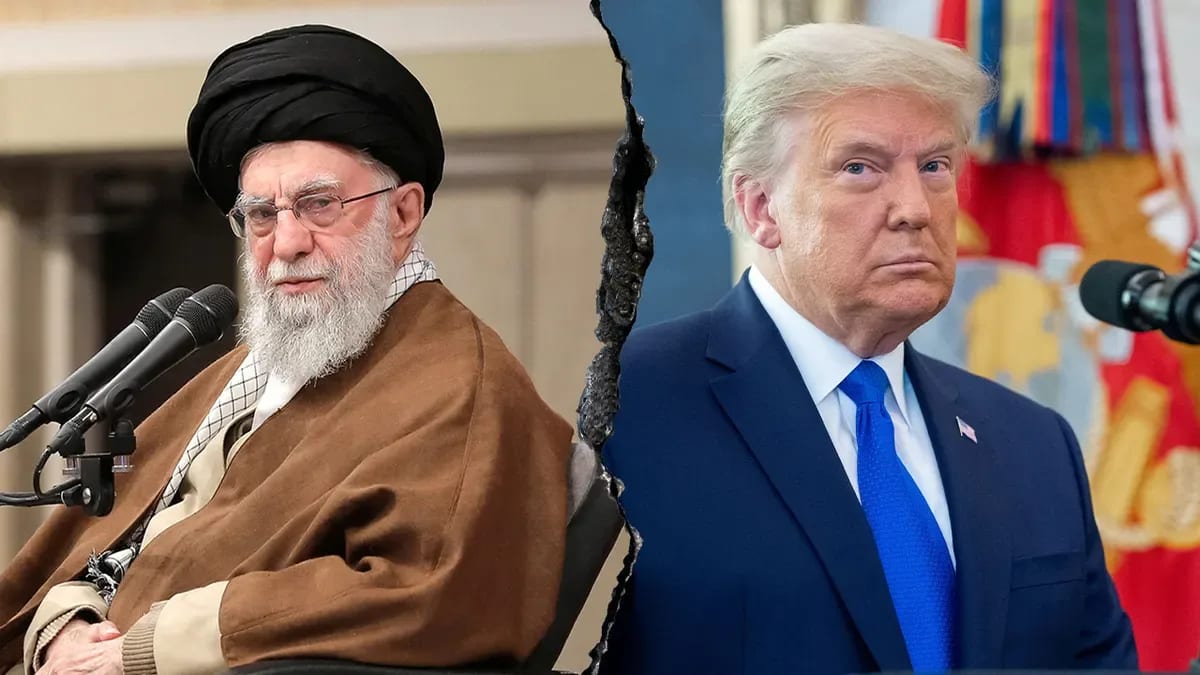
A preliminary Iran-US draft proposal suggests transferring Iran's enriched uranium stockpile and reopening the Strait of Hormuz within seven days, raising hopes
Tensions between the United States and Iran remain a major concern for the international community as both countries explore a possible diplomatic solution to their ongoing conflict. A preliminary Iran-US draft proposal has reportedly introduced several important measures aimed at reducing military tensions, addressing nuclear concerns and restoring international maritime traffic through the strategically important Strait of Hormuz. Among the most significant proposals are the transfer of Iran's highly enriched uranium stockpile to an agreed third country or a reduction in its enrichment level, along with reopening the Strait of Hormuz to international shipping within seven days of an initial understanding.
The proposed framework, reported by Al Arabiya English, represents another attempt to establish communication between Washington and Tehran after months of hostilities and unsuccessful diplomatic efforts. Although the proposal has not yet become a formal agreement, its provisions indicate a possible pathway towards reducing regional tensions and preventing further military escalation.
World News+1
Iran's Uranium Stockpile at the Centre of Negotiations
One of the most important aspects of the Iran-US draft proposal concerns Tehran's nuclear programme. The framework reportedly suggests transferring Iran's highly enriched uranium stockpile to a mutually agreed third country or reducing its enrichment level. This issue has remained a major point of disagreement between Washington and Tehran, with the United States seeking stronger restrictions and assurances regarding Iran's nuclear activities.
The proposed arrangement could help address international concerns about nuclear proliferation while providing an opportunity for Iran to negotiate economic and diplomatic concessions. However, the final outcome will depend on whether both countries can agree on the technical details, verification procedures and conditions surrounding the uranium transfer or enrichment reduction.
Strait of Hormuz Could Reopen Within Seven Days
Another major development in the proposed agreement is the possible reopening of the Strait of Hormuz within seven days of an initial understanding between the two countries. The waterway is one of the world's most important maritime routes, connecting the Persian Gulf with the Gulf of Oman and international shipping networks. It plays a particularly important role in global oil and liquefied natural gas transportation.
Restrictions on shipping through the Strait of Hormuz have raised concerns about international energy supplies, transportation costs and global economic stability. A reopening could restore confidence among shipping companies, improve the movement of oil tankers and reduce uncertainty in international energy markets. For countries heavily dependent on imported energy, including India, developments in the region are particularly significant.
However, reopening the waterway would require effective maritime security arrangements and cooperation between the countries involved. The proposed seven-day timeline remains a provision of the preliminary framework rather than a confirmed operational commitment.
World News+1
China Could Play an Important Role as Guarantor
The draft framework reportedly identifies China as a potential guarantor responsible for supporting the implementation and long-term sustainability of any eventual agreement. China's involvement could provide an additional diplomatic channel and encourage both sides to fulfil their commitments.
China has significant economic and strategic interests in West Asia, particularly concerning energy security and international trade. Its potential role as a guarantor could help build confidence between Washington and Tehran while providing an additional mechanism for monitoring the agreement's implementation. Nevertheless, China's participation remains a reported possibility rather than a confirmed commitment.
Direct US-Iran Negotiations Proposed in Doha
Another important element of the proposal is the suggestion that direct negotiations between the United States and Iran should take place in Doha, Qatar, instead of Istanbul. Qatar has played an important diplomatic role in facilitating communication between countries involved in regional conflicts.
Recent diplomatic efforts have reportedly gained momentum following the arrival of a Qatari delegation in Tehran. The delegation, which travelled in coordination with Washington, aimed to discuss possibilities for restoring a ceasefire and creating a fresh diplomatic pathway. Qatar's involvement highlights the importance of regional mediators in reducing tensions and encouraging negotiations between opposing governments.
World News+1
US Sanctions Relief Could Be Part of the Agreement
The proposed Iran-US framework also links restrictions on Iran's nuclear programme and maritime activities with possible economic concessions from Washington. Under the reported arrangement, the United States could ease sanctions, blockades and other economic restrictions in response to Iran's commitments.
Economic sanctions have significantly affected Iran's international trade, financial transactions and oil exports. Therefore, sanctions relief could provide Tehran with an important incentive to participate in negotiations. For Washington, however, any economic concessions would likely depend on independently verified compliance with the proposed nuclear and maritime commitments.
This approach reflects an effort to establish a balanced agreement in which both countries receive measurable benefits rather than relying entirely on political assurances.
Independent Verification and Dispute Resolution Mechanisms
A significant feature of the preliminary draft is its proposed independent verification mechanism. This system would assess whether both countries are fulfilling their respective obligations before each stage of the agreement is implemented. Such verification could reduce the risk of misunderstandings and prevent either side from making major concessions without receiving corresponding commitments.
The framework also reportedly includes a dispute-resolution mechanism involving mediators and guarantor countries. This would provide a process for addressing implementation delays, disagreements or potential violations. Establishing clear procedures for resolving disputes could be essential to maintaining stability and preventing diplomatic disagreements from developing into renewed military confrontation.
Continuing Military Tensions Create Uncertainty
Despite renewed diplomatic activity, the possibility of further military escalation remains a major concern. US President Donald Trump has indicated that Washington is not in a hurry to end the conflict, maintaining that the United States has time on its side. His statements highlight the gap between ongoing diplomatic efforts and the continued uncertainty surrounding Washington's military position.
Meanwhile, tensions around the Strait of Hormuz have continued to affect maritime security. Reports that Iranian Revolutionary Guards halted three oil tankers following unspecified incidents or encounters with mines have added to concerns about the safety of commercial shipping in the region.
These developments demonstrate that diplomatic negotiations are taking place against a complicated security background. Both countries will need to overcome significant differences before any proposed framework can become a lasting agreement.
What the Iran-US Proposal Means for Global Energy Markets
The developments surrounding the Iran-US draft proposal have implications beyond the Middle East. The Strait of Hormuz is a critical route for international energy transportation, and disruptions can affect oil supply expectations, shipping costs and global market confidence.
For India, the situation is particularly important because the country depends heavily on imported crude oil. Any prolonged disruption to shipping through the Strait of Hormuz could increase energy import costs and create pressure on domestic fuel prices. A successful reopening could therefore help improve supply confidence and reduce uncertainty for energy-importing economies.
Beyond energy markets, a diplomatic settlement could also improve regional trade, encourage international investment and reduce the economic consequences of prolonged geopolitical instability.
Conclusion: Will the Iran-US Draft Proposal Lead to a Peace Agreement?
The preliminary Iran-US draft proposal represents a potentially important step towards diplomatic engagement between Washington and Tehran. Its key provisions, including the transfer or reduction of Iran's enriched uranium stockpile, reopening the Strait of Hormuz within seven days, possible sanctions relief and independent verification, offer a framework for addressing some of the most difficult disagreements between the two countries.
However, the proposal remains preliminary, and neither side has confirmed a final agreement. The success of the negotiations will depend on mutual trust, political willingness and the ability to implement commitments transparently. With Qatar facilitating diplomatic communication and China potentially playing a guarantor role, international attention will remain focused on whether these discussions can produce a lasting settlement and restore stability across West Asia.
Source: https://www.hindustantimes.com/world-n
Follow : https://globalbizinsider.com/