Iran-US Talks Continue Amid Ceasefire Proposal and Strait of Hormuz Tensions
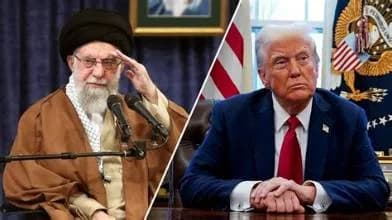
Iran says indirect talks with the US continue over a ceasefire proposal, with sanctions, nuclear disagreements, and the Strait of Hormuz remaining key issues.
Iran has confirmed that indirect talks with the United States are continuing as both countries explore the possibility of a ceasefire and a broader diplomatic settlement. Despite ongoing disagreements over security, economic sanctions, and Iran’s nuclear programme, communication between Tehran and Washington remains active through regional mediators. The latest developments highlight the continuing importance of diplomacy in addressing the conflict and preventing further instability across the Middle East.
According to reports published on October 21, 2026, Iranian Foreign Minister Abbas Araghchi stated that discussions were continuing through intermediaries, including Pakistan and Qatar. The diplomatic exchanges are focused on an Iranian proposal for a seven-day ceasefire, which was initially rejected by US President Donald Trump. Iran has maintained that negotiations remain possible, although Washington is reportedly seeking additional conditions to be included in the proposal.
What Is Iran’s Seven-Day Ceasefire Proposal?
Iran's ceasefire proposal is intended to establish a temporary framework for reducing hostilities and addressing some of the major disputes between the two countries. Tehran has linked the proposal to several demands, including ending the US naval blockade of Iranian ports, lifting restrictions on Iranian oil exports, reopening the Strait of Hormuz, and releasing frozen Iranian assets.
Iran has argued that these issues must be addressed before broader negotiations can move forward. The United States, meanwhile, has maintained that Iran's nuclear programme remains a major concern that must be included in any lasting agreement. These differing priorities have made negotiations difficult, even as both sides continue exchanging messages through diplomatic intermediaries.
The proposal illustrates how a temporary ceasefire can serve as a starting point for more comprehensive discussions. However, its success will depend on whether both governments can agree on the sequence of commitments and the conditions required to prevent renewed fighting.
Pakistan and Qatar Play an Important Role in Diplomacy
Pakistan and Qatar have emerged as important intermediaries in the ongoing Iran-US diplomatic process. Indirect negotiations allow the two countries to communicate their positions without necessarily holding direct, formal discussions. This approach can help maintain diplomatic channels when political tensions make face-to-face negotiations difficult.
Regional mediators can also help clarify proposals, communicate demands, and identify possible areas of compromise. Their involvement is particularly significant because the conflict has implications for neighbouring countries, regional security, international trade, and energy markets.
However, mediation alone cannot guarantee a successful outcome. Iran and the United States must still demonstrate a willingness to address their differences and honour any commitments reached through negotiations. The continued involvement of regional partners nevertheless provides an opportunity to prevent diplomatic channels from closing completely.
Strait of Hormuz Remains at the Centre of the Crisis
The Strait of Hormuz is one of the world's most strategically important maritime routes, making it central to the current dispute between Iran and the United States. The narrow waterway connects the Persian Gulf with the Gulf of Oman and serves as a major passage for international oil and liquefied natural gas shipments.
Any disruption to shipping through the Strait of Hormuz can affect global energy supplies, increase transportation costs, and create uncertainty in international markets. Countries that depend heavily on imported energy are particularly vulnerable to prolonged disruptions in the region.
Iran has linked the reopening of the waterway to its wider ceasefire conditions, while the United States continues to raise concerns about regional security and freedom of navigation. Resolving disagreements over maritime access could therefore become an important step towards reducing tensions and restoring confidence among international shipping operators.
Nuclear Disagreements Continue to Complicate Negotiations
Iran's nuclear programme remains one of the most difficult issues in relations between Tehran and Washington. The United States has called for meaningful restrictions on Iran's uranium enrichment capabilities, arguing that these measures are necessary to address concerns about nuclear proliferation.
Iran, on the other hand, has defended its position on uranium enrichment and maintained that its conditions must be respected in any negotiations. The disagreement has complicated efforts to establish a wider diplomatic settlement, particularly as both countries have different views on which issues should be addressed first.
A lasting agreement would likely require clear commitments, effective verification arrangements, and a framework that both governments consider acceptable. Without progress on the nuclear issue, even a temporary ceasefire could remain vulnerable to renewed political and military tensions.
Impact on Global Oil Prices and International Trade
The continuing conflict between Iran and the United States has implications that extend far beyond the Middle East. Uncertainty surrounding the Strait of Hormuz can influence oil prices, shipping insurance costs, supply chains, and the broader economic outlook.
For oil-importing countries such as India, prolonged disruptions could increase energy import expenses and place additional pressure on businesses and consumers. Higher transportation and energy costs may also contribute to inflation by raising the price of goods and services.
International markets closely monitor developments in the region because energy security is closely connected to geopolitical stability. A credible ceasefire and the restoration of predictable shipping routes could help reduce uncertainty, although the overall economic impact would depend on how quickly normal trade conditions return.
Can Indirect Talks Lead to a Lasting Ceasefire?
The continuation of indirect talks suggests that diplomatic communication between Iran and the United States has not completely broken down. Nevertheless, significant obstacles remain, including disagreements over sanctions, maritime security, nuclear restrictions, and the conditions required to end hostilities.
The immediate challenge is to establish a mutually acceptable framework that can reduce violence and create the conditions for further negotiations. Both sides would need to clarify their commitments, address concerns about implementation, and avoid actions that could undermine confidence in the process.
A temporary ceasefire could provide an opportunity to address urgent security concerns and reopen discussions on longer-term issues. However, a permanent settlement would require sustained diplomatic engagement and compromises on several interconnected disputes.
Conclusion
Iran's confirmation that indirect talks with the United States are continuing highlights the importance of diplomacy amid persistent tensions in the Middle East. The proposed ceasefire, the future of the Strait of Hormuz, economic sanctions, and disagreements over Iran's nuclear programme remain central to the negotiations.
Although a breakthrough has not yet been secured, the continued involvement of regional mediators provides a channel for communication and potential compromise. The outcome of these discussions could have significant consequences for regional security, global energy markets, and international trade.
As negotiations continue, governments, businesses, and energy markets will closely monitor whether Tehran and Washington can move beyond competing demands and establish a practical path towards de-escalation.
Source : https://www.yahoo.com/news/articles/iran-says-
Follow: Global BIz Insider