Iran War Escalates: Nuclear Dispute and Strait of Hormuz Crisis
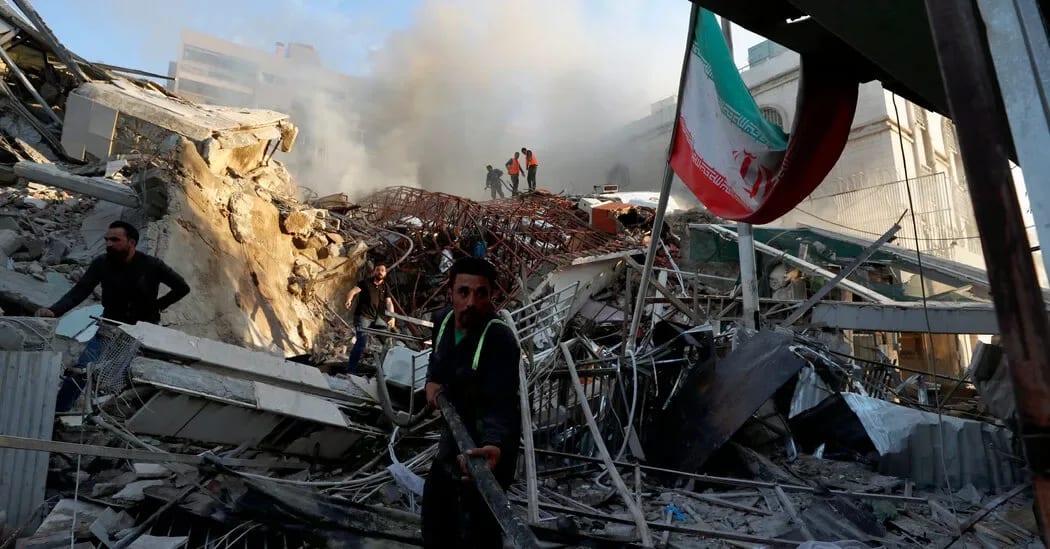
Explore the latest Iran war developments, nuclear tensions with the US, Strait of Hormuz shipping threats and their impact on global oil markets.
The ongoing conflict between the United States and Iran continues to create uncertainty across the Middle East, with growing tensions surrounding Iran's nuclear programme and the security of the strategically important Strait of Hormuz. As diplomatic efforts to end the war face fresh challenges, Tehran has reaffirmed its position on enriched nuclear material, while repeated reports of attacks on commercial vessels have raised concerns about international shipping and global energy supplies. The latest developments highlight how the conflict is becoming not only a regional security crisis but also a major concern for the global economy.
Iran Rejects US Demands Over Enriched Nuclear Material
One of the most significant developments in the ongoing conflict is Iran's firm position regarding its enriched uranium stockpile. On November 11, 2026, a senior Iranian security official declared that Tehran would not allow even a single particle of its enriched nuclear material to be removed from the country. The statement presents another major obstacle to negotiations with Washington, which has consistently demanded restrictions on Iran's nuclear programme as part of any agreement to end the conflict.
CBS News+1
The United States has argued that preventing Iran from developing nuclear weapons is a central objective of its military and diplomatic strategy. American officials have repeatedly expressed concerns about Iran's nuclear capabilities, while Tehran has denied seeking to develop a nuclear weapon. This disagreement remains one of the most complicated issues in the negotiations, as both countries continue to maintain sharply different positions on nuclear restrictions and national security.
Strait of Hormuz Faces Growing Maritime Security Threats
Another major concern is the continuing instability in the Strait of Hormuz, one of the world's most important international shipping routes. Located between Iran and Oman, the narrow waterway connects the Persian Gulf with the Gulf of Oman and the Arabian Sea. It plays a crucial role in transporting crude oil and other energy supplies from major Middle Eastern producers to international markets.
Recent reports of attacks on commercial vessels, explosions and possible naval mine incidents have increased concerns among shipping companies and maritime authorities. Iran's Islamic Revolutionary Guard Corps claimed that two additional oil tankers struck naval mines and caught fire while attempting to navigate the strait. However, the circumstances surrounding these incidents and the claims made by Iranian authorities require independent verification.
The continuing security threats have made commercial shipping operations increasingly complicated. Shipping companies must consider potential attacks, higher insurance premiums, alternative routes and delays when deciding whether to send vessels through the region. Even if diplomatic negotiations make progress, restoring confidence among international shipping operators could take considerable time.
Global Oil Markets React to Rising Middle East Uncertainty
The instability surrounding the Strait of Hormuz has important consequences for global energy markets. A significant proportion of the world's oil supply traditionally passes through this strategic waterway, making any disruption a serious concern for oil-producing countries, importers and consumers.
According to a Reuters report published on November 11, oil prices recovered by approximately 1.3% after falling in the previous trading session. Brent crude reached around $92.71 per barrel, while US West Texas Intermediate crude traded at approximately $87.13 per barrel. The recovery followed renewed concerns about the possibility of prolonged tensions between Washington and Tehran and uncertainty surrounding nuclear negotiations.
Rising energy prices can affect transportation, manufacturing, electricity generation and food distribution. Countries that depend heavily on imported petroleum may experience increased economic pressure if disruptions continue. For developing economies, higher oil prices could also contribute to inflation and increase the cost of essential goods and services.
Diplomatic Negotiations Face Major Challenges
Despite the continued military tensions, diplomatic efforts remain an important possibility for resolving the conflict. However, the positions of both governments suggest that reaching an agreement will not be straightforward. Washington wants Iran's nuclear programme to become part of the initial negotiations, while Tehran has maintained that discussions on nuclear issues should follow a formal end to the fighting.
The disagreement reflects a wider struggle over security guarantees, sanctions, military operations and control of strategic maritime routes. Any successful agreement would likely require compromises from both sides, alongside assurances that future military confrontations can be avoided.
International actors may also play an important role in encouraging negotiations. Countries in the Gulf region have strong economic and security interests in preventing further escalation, particularly because prolonged instability threatens energy infrastructure, trade and regional investment.
Economic Consequences for Gulf Countries
The financial consequences of the conflict are becoming increasingly visible across the Gulf region. According to an estimate published by Allianz Trade on November 11, 2026, physical damage and economic losses for Persian Gulf nations could exceed $200 billion. The longer-term economic impact could be significantly greater as disruptions affect energy infrastructure, tourism, real estate and business activity.
Several Gulf economies depend on stable energy exports and international trade. Continued attacks on infrastructure and commercial shipping could discourage investment, increase operating costs and weaken business confidence. The consequences may extend beyond the Middle East, affecting international supply chains and economic growth in countries that rely on regional energy exports.
What the Iran-US Conflict Means for the International Community
The ongoing confrontation between Iran and the United States demonstrates how regional conflicts can quickly develop into international economic and security challenges. The nuclear dispute raises concerns about global non-proliferation efforts, while instability in the Strait of Hormuz threatens maritime trade and energy security.
For countries across Asia, Europe and other regions, developments in the Middle East are particularly important because of their dependence on reliable energy supplies and international shipping networks. Any prolonged disruption could influence fuel prices, inflation, trade costs and economic planning.
India is also closely connected to developments in the region through its energy imports, commercial shipping interests and large maritime workforce. Continued insecurity around the Strait of Hormuz therefore remains an important concern for India's energy security and the safety of Indian seafarers.
Conclusion
The latest developments in the Iran war reveal that the conflict remains far from a clear resolution. Iran's refusal to surrender its enriched nuclear material, continuing maritime security incidents in the Strait of Hormuz and uncertainty surrounding diplomatic negotiations have created a complicated international situation. Meanwhile, rising economic costs and instability in global energy markets demonstrate the wider consequences of the confrontation.
As the United States and Iran continue to defend their respective positions, the international community faces an urgent need for diplomatic engagement and measures to protect commercial shipping. Whether negotiations can produce a lasting agreement will be crucial not only for Middle Eastern stability but also for global energy security, international trade and economic growth.
Source: https://www.cbsnews.com/live-updates
Follow : https://globalbizinsider.com/