Israel Election 2026: Netanyahu Leads but No Clear Winner Emerges
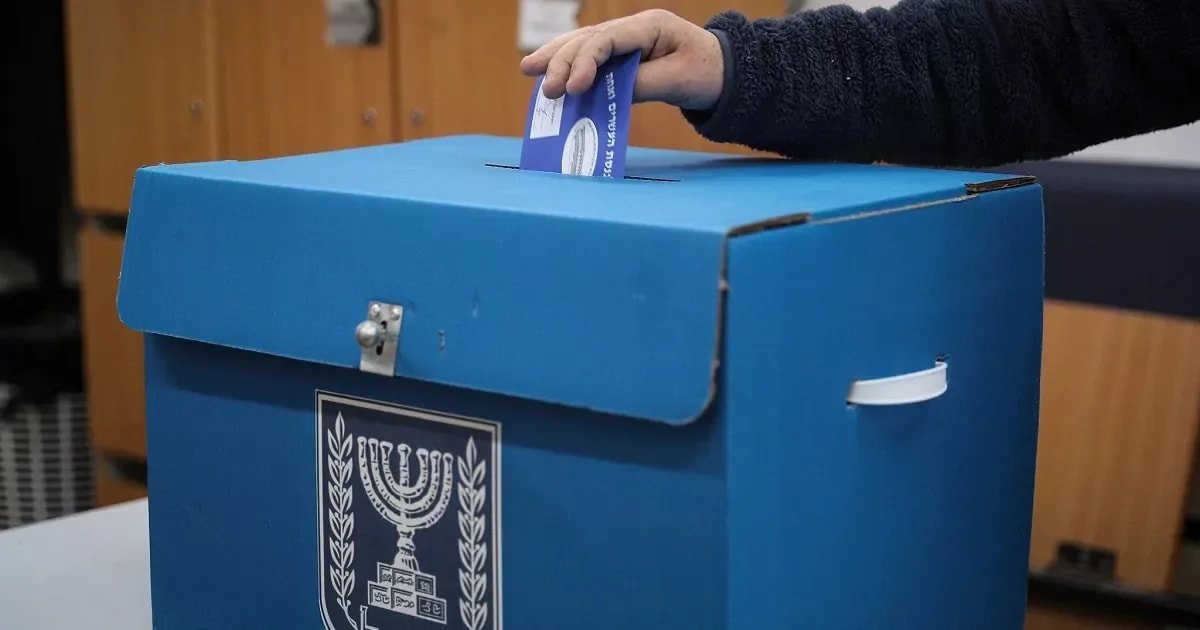
Israel election 2026 results show Netanyahu’s bloc leading but short of a majority, as Arab parties gain influence and coalition talks loom.
Israel’s 2026 parliamentary election has resulted in a political deadlock, with nearly 90 percent of votes counted and no clear winner emerging. Prime Minister Benjamin Netanyahu’s right-wing bloc is projected to secure around 53 seats in the 120-member Knesset, while the opposition alliance led by Gadi Eisenkot is expected to win approximately 48 seats. Neither side has reached the 61 seats required to form a majority government, leaving Israel facing a period of political uncertainty.
According to preliminary results reported on October 29, 2026, the election has highlighted deep divisions within Israeli politics. Although Netanyahu’s bloc remains ahead in the projected seat count, its failure to secure a parliamentary majority means that negotiations with other political parties will be essential. The final outcome could depend on the remaining ballots and the ability of rival political groups to build a coalition government.
Israel Election Results 2026: Netanyahu Leads but Falls Short
The latest Israel election results indicate that Netanyahu’s political alliance has retained a leading position but lacks the numbers needed to govern independently. The opposition bloc, led by former military chief Gadi Eisenkot, is seeking to bring political change and establish an alternative administration. However, its diverse political composition and disagreements over potential coalition partners could complicate efforts to form a government.
More than 500,000 special ballots, including votes from soldiers, diplomats and other eligible voters away from their registered polling stations, could still influence the final distribution of seats. While the official results may clarify the balance of power, the election is unlikely to produce an immediate resolution to the political standoff.
Arab Parties Could Play a Decisive Role in Government Formation
One of the most significant developments in the Israel election 2026 is the projected performance of Arab political parties. The Joint List and Ra’am are expected to win a combined 19 seats, potentially giving them considerable influence over coalition negotiations. Their electoral performance highlights the importance of Arab voters in determining the future composition of Israel’s parliament.
However, cooperation with Arab-led parties remains a contentious issue among Israel’s major political blocs. Netanyahu has rejected relying on Arab parties to form a government, while Eisenkot has also expressed opposition to forming a minority government with their participation. Whether opposition parties reconsider their positions could become a decisive factor in determining who ultimately governs Israel.
Gaza War and National Security Shape the Election
The Israeli parliamentary election was widely viewed as a referendum on Netanyahu’s leadership, particularly his government’s handling of the October 7, 2023, Hamas-led attacks and the subsequent war in Gaza. Security concerns, regional conflicts and public debate over the government’s performance have played a major role in shaping the political landscape.
For many voters, the election represented an opportunity to express their views on the government’s decisions, national security policies and the direction of the country. Netanyahu’s supporters have emphasised security and the continuation of military objectives, while opposition leaders have called for political change and a different approach to governance. The election outcome reflects the difficulty of translating these competing priorities into a clear parliamentary majority.
What Happens Next After Israel’s Election?
Israel’s political system relies on coalition governments, meaning that the party or bloc with the most seats does not automatically secure the premiership. Following the release of official results, President Isaac Herzog is expected to consult political parties and identify the candidate most likely to form a government. The designated candidate will then need to negotiate with other parties to secure sufficient parliamentary support.
If neither Netanyahu nor Eisenkot can assemble a viable coalition, Israel could face prolonged negotiations, a minority-government arrangement or another election. Netanyahu is expected to remain caretaker prime minister until a new administration is formed, ensuring continuity of government while political discussions continue.
Political Uncertainty Could Affect Israel’s Future Direction
The absence of a clear winner raises important questions about Israel’s domestic and foreign policies. A new coalition could influence decisions on security, relations with neighbouring countries, the ongoing regional conflicts and the government’s approach to Palestinian affairs. The composition of the next administration will also shape debates over military service, political representation and the balance between religious, nationalist and centrist interests.
The coming days will therefore be critical for Israel’s political future. Although Netanyahu’s bloc currently leads in projected seats, the final outcome will depend on the remaining votes and the negotiations that follow. The election has demonstrated that electoral success alone may not be enough to secure power when no political alliance commands a parliamentary majority.
Conclusion
The Israel election 2026 has left the country facing an uncertain political future, with Netanyahu’s right-wing bloc ahead but short of the seats required to govern. The opposition alliance led by Gadi Eisenkot also faces challenges in assembling a viable majority, while Arab political parties could become influential in determining the next government. As the remaining ballots are counted and coalition negotiations begin, Israel’s political direction will depend on whether rival parties can overcome their differences and reach an agreement.
The final results and subsequent negotiations will determine whether Israel continues under Netanyahu’s leadership, forms a government led by the opposition or heads towards another election. Until a coalition is established, political uncertainty is likely to remain a defining feature of Israel’s political landscape in 2026.
Source : https://www.aljazeera.com/news/2026/10
Follow : Global Biz Insider