Israel Election Commission Rejects Netanyahu Fraud Claims
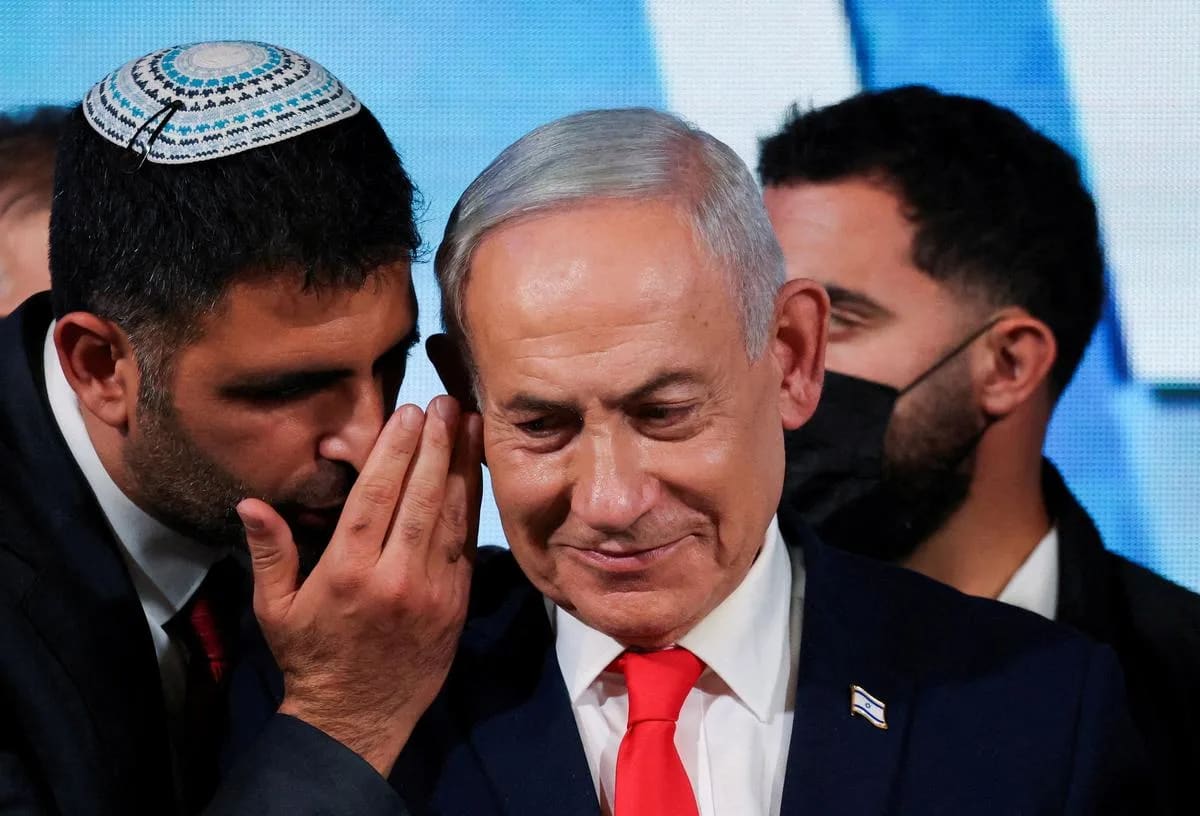
Israel election commission rejects Netanyahu fraud claims after auditing 9,069 polling stations, finding no evidence of irregularities in the election.
The Israel election commission rejects Netanyahu fraud claims following an extensive investigation into allegations surrounding the country's October 27 parliamentary elections. Israel’s Central Elections Committee announced on November 4 that its examination of thousands of polling stations had found no evidence of widespread electoral fraud or irregularities capable of changing the election results. The announcement represents an important development in Israel’s political situation, particularly as Prime Minister Benjamin Netanyahu and his supporters had questioned the legitimacy of the voting process and accused Arab-led political parties of manipulating the election.
The committee's investigation covered 9,069 polling stations across Israel. Officials reviewed complaints submitted by political parties and examined allegations concerning suspicious activities during voting. After completing the review, the committee concluded that the reported incidents did not demonstrate that the election results had been manipulated. The findings provide official support for the announced election outcome and weaken the allegations raised by Netanyahu's political camp.
The controversy emerged after Netanyahu and members of his Likud party raised concerns about alleged irregularities involving Arab-led political groups. The accusations became a major political issue following an election that left Israel with a divided parliament and no clear majority for either major political bloc. The election commission's decision has therefore become particularly significant because it addresses questions about the credibility of the voting process at a time when political parties are competing to form the next government.
Election Committee Examines 9,069 Polling Stations
The Central Elections Committee carried out a detailed examination of 9,069 polling stations after receiving complaints and reports of suspected irregularities. The review focused on determining whether any reported incidents had affected the voting process or compromised the accuracy of the final results.
Acting committee director Dean Livne explained that officials had examined the complaints carefully but had not identified evidence that justified questioning the overall election outcome. The committee's findings indicated that the allegations did not establish any systematic effort to manipulate votes or alter the distribution of parliamentary seats.
The investigation was particularly important because allegations of electoral misconduct can undermine public confidence in democratic institutions. By reviewing complaints across thousands of polling stations, the committee sought to establish whether the reported incidents represented isolated concerns or evidence of a broader problem. Its conclusion was that the available evidence did not support claims that the election had been stolen or that the results should be invalidated.
The decision also highlights the role of Israel's independent election administration in addressing political disputes. Rather than allowing allegations from political parties to determine the legitimacy of the election, the committee relied on its review of the reported incidents and available evidence.
Benjamin Netanyahu Raises Allegations Against Arab-Led Parties
Benjamin Netanyahu and his political allies had repeatedly questioned the election process, focusing particularly on the performance and activities of Arab-led political parties. Netanyahu suggested that suspicious activities surrounding the election could have influenced the results and raised concerns about possible manipulation.
Among the incidents cited by Netanyahu's supporters were reports involving individuals who were allegedly arrested while carrying envelopes containing cash on election day. The incidents attracted political attention, with Netanyahu's camp suggesting that the money could have been connected to attempts to influence voters.
Netanyahu also raised concerns about alleged financial connections involving Qatar and Arab lawmakers. These accusations contributed to growing tensions between Likud representatives and Arab political groups, with both sides presenting sharply different interpretations of the reported incidents.
However, the election commission's review did not establish that these allegations had affected the voting process or changed the final results. The findings are important because accusations of election fraud require credible supporting evidence, particularly when they involve attempts to challenge the outcome of a national parliamentary election.
The allegations also intensified the political divide between Netanyahu's supporters and opposition parties. Arab-led political representatives rejected the accusations, while opposition figures questioned the prime minister's attempts to cast doubt on the election outcome.
Separate Investigation Into Possible Foreign Interference
Although the election commission has rejected the broader fraud allegations, a separate investigation into possible foreign interference in Israel's election remains an important part of the controversy.
Israel's domestic security agency, Shin Bet, has reportedly been examining suspicions involving foreign funding and influence operations connected to the election. The investigation has attracted political attention because of reports that the agency's leadership wanted to question members of Arab-led political parties.
However, the existence of an investigation does not establish that the parties committed electoral offences or that foreign actors successfully manipulated the voting process.
The controversy intensified after Attorney General Gali Baharav-Miara stated that authorities should not question individuals without sufficient evidence. Her position drew criticism from Netanyahu's Likud party, which accused her of obstructing efforts to investigate alleged foreign interference.
The disagreement has raised concerns about the independence of law enforcement institutions and the possibility of political pressure being used to influence an ongoing investigation.
Shin Bet chief David Zini has also faced scrutiny over the agency's handling of the allegations. The dispute has created tensions between the government, the attorney general's office and opposition representatives at a particularly sensitive moment in Israel's political transition.
Gadi Eisenkot Accuses Netanyahu of Undermining Democracy
Opposition leader Gadi Eisenkot has strongly criticised Netanyahu's response to the election results, accusing the prime minister and his political allies of attempting to undermine democratic institutions.
Eisenkot, a former Israeli military chief, has emerged as Netanyahu's principal political rival following the October 27 election. His campaign focused on bringing together centrist and centre-right political groups to end Netanyahu's long and divisive period in power.
He argued that allegations of election fraud should not be used as a political instrument to challenge legitimate election results or delay the formation of a new government.
Eisenkot also called for any credible allegations of foreign interference to be investigated impartially. However, he maintained that an unfinished investigation should not become a reason to undermine the officially announced results.
Meanwhile, Yair Lapid, another prominent opposition leader and former prime minister, has rejected the possibility of supporting a unity government led by Netanyahu. Lapid argued that the current political situation made it difficult for opposition parties to continue working with the incumbent prime minister.
These disagreements have further complicated efforts to establish a stable government and increased uncertainty about the future direction of Israeli politics.
Israel Election Results Create a Parliamentary Deadlock
The October 27 parliamentary election has left Israel facing a complicated political situation. Neither Netanyahu's political alliance nor the opposition bloc led by Eisenkot secured the 61 seats required to command a majority in the 120-member Knesset.
The announced distribution of seats is as follows:
| Political bloc | Parliamentary seats |
| Benjamin Netanyahu's bloc | 53 |
| Gadi Eisenkot's opposition bloc | 48 |
| Arab-led parties | 19 |
| Total | 120 |
The results have made Arab-led political parties particularly influential in the government formation process. Their combined 19 seats could potentially provide the opposition with the parliamentary support required to remove Netanyahu from office.
However, cooperation with Arab-led parties remains controversial among several opposition politicians. Some members of the opposition have expressed reservations about relying on their support to form a government.
For Netanyahu, the election outcome presents a serious political challenge. Although his alliance secured more seats than Eisenkot's bloc, it remains short of the majority required to govern independently.
The situation has revived concerns about another prolonged period of political uncertainty in Israel, which experienced five general elections between 2019 and 2022 because of repeated coalition deadlocks.
President Isaac Herzog Begins Government Formation Process
Israeli President Isaac Herzog now has a significant role in determining the country's next political leadership. After officially receiving the certified election results, Herzog is beginning consultations with political parties to assess which candidate has the strongest chance of forming a functioning coalition.
Although the Israeli presidency is largely ceremonial, the president has an important constitutional responsibility during government formation. Herzog must consider the recommendations and parliamentary support of political representatives before deciding whom to invite to form the next government.
Both Netanyahu and Eisenkot remain potential candidates. However, neither has independently secured enough parliamentary support to guarantee a successful coalition.
Once a candidate receives the mandate to form a government, they generally have 28 days to complete coalition negotiations. An additional 14-day extension may be granted if necessary.
If the candidate fails to form a government, the mandate can be transferred to another potential candidate. If subsequent attempts also fail, members of parliament may have an opportunity to nominate another candidate. Otherwise, Israel could be forced to hold another general election.
Herzog has indicated that he wants to encourage fresh political thinking and avoid another election, given the country's prolonged political divisions and security challenges.
Netanyahu Faces Growing Political Pressure
The rejection of the election fraud allegations represents another setback for Netanyahu as he attempts to maintain his position as prime minister.
Netanyahu has served multiple terms as Israel's prime minister and remains one of the country's most influential political figures. However, his leadership has faced growing criticism over domestic political divisions, security policy and the government's handling of the conflict in Gaza.
His political future is also connected to ongoing corruption charges. Losing the position of prime minister could carry significant political consequences, particularly because of the legal and political protections associated with holding office.
The current parliamentary situation means that Netanyahu cannot rely solely on his existing political alliance to continue governing. He must either secure additional support from other parties, negotiate a broader coalition or face the possibility of losing power.
At the same time, Eisenkot's opposition alliance must overcome its own internal disagreements if it wants to form a government. The question of whether opposition parties will cooperate with Arab-led representatives remains one of the biggest obstacles to establishing a parliamentary majority.
The possibility of a unity government has also been discussed, although opposition leaders have expressed strong resistance to a Netanyahu-led arrangement.
What Happens Next in Israel's Political Crisis?
The election commission's decision has settled the immediate dispute over the official election results, but it has not resolved Israel's wider political crisis.
The coming days and weeks will be important as political parties negotiate possible alliances and President Isaac Herzog evaluates which candidate has the best opportunity to establish a government.
The separate investigation into possible foreign interference may also continue to influence political discussions. However, authorities will need credible evidence before allegations against individuals or political organisations can be established.
If Netanyahu cannot secure additional parliamentary support, Eisenkot could receive an opportunity to form an alternative government. If neither political camp succeeds, another general election could become unavoidable.
For now, the rejection of Netanyahu's fraud claims strengthens the official election results and places greater attention on coalition negotiations rather than challenges to the voting process.
Israel's next government will face significant challenges, including national security concerns, economic pressures, political divisions and the continuing consequences of regional conflicts. The outcome of the coalition negotiations will therefore have implications not only for Netanyahu's political future but also for the country's domestic and foreign policy direction.
Source : The Hindu :https://shorturl.at/M4es2
Follow The Global Biz Insider For More Such News Articles.