Israeli Airstrike on Gaza's Nasser Hospital Kills Doctor and Civilians
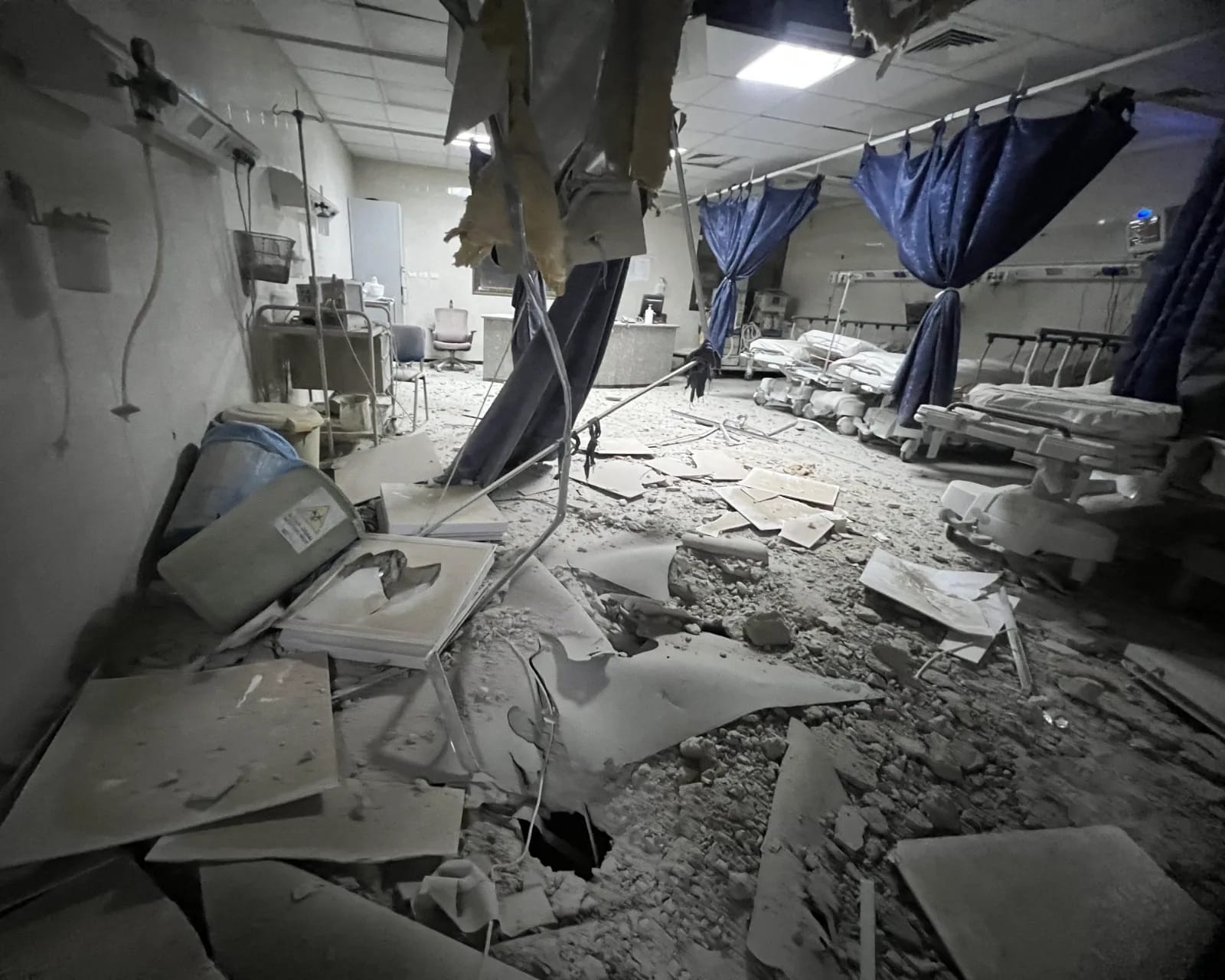
An Israeli airstrike on Nasser Hospital in Gaza kills Palestinian surgeon Dr. Rizk Abu Shaira and civilians, raising concerns over healthcare safety.
An Israeli airstrike on Nasser Hospital in Khan Younis, southern Gaza, has raised fresh concerns over civilian safety and the protection of healthcare facilities amid the ongoing conflict. The attack, which took place shortly after midnight on November 12, 2026, reportedly killed at least six people, including a Palestinian surgeon, medical personnel, patients and a 13-year-old boy, according to Gaza's Health Ministry.
The strike targeted a surgical building within the Nasser Medical Complex, one of the major healthcare facilities still operating in southern Gaza. The explosion reportedly caused extensive damage to hospital wards, operating rooms and medical equipment, leaving parts of the facility unable to provide essential medical services. At least 28 people were also reported injured in the attack.
Palestinian Surgeon Dr. Rizk Abu Shaira Among Those Killed
One of the most significant casualties of the airstrike was Dr. Rizk Abu Shaira, a Palestinian general surgeon who had continued providing medical care to patients throughout the conflict. His death has drawn attention to the risks faced by healthcare professionals working in Gaza under extremely difficult conditions.
Dr. Abu Shaira had also appeared in the documentary American Doctor, which highlighted the experiences of medical professionals providing healthcare in the region. His colleagues described him as a dedicated and compassionate doctor who remained committed to treating patients despite the continuing violence and shortages of medical resources.
The death of a medical professional inside a hospital has further intensified international concerns about the safety of healthcare workers and the ability of medical institutions to function during armed conflicts.
Israel Says the Strike Targeted Hamas Militants
The Israeli military stated that the operation targeted Muhammad Abu Ismail, identified as a commander of Hamas's Khan Younis Brigade, along with other militants allegedly operating from within the hospital complex. Israeli authorities claimed that Hamas had established a military presence inside the facility and used parts of the complex for operational activities.
Hamas rejected the allegations, describing them as an attempt to justify an attack on a civilian medical institution. Palestinian hospital officials also disputed claims about military activity inside the facility and said medical staff and patients were present when the strike occurred.
The conflicting accounts have highlighted the difficulty of independently verifying military claims and assessing the circumstances surrounding attacks in Gaza.
Nasser Hospital Faces Further Damage to Its Medical Services
Nasser Hospital has played a crucial role in providing emergency treatment and specialized medical services to residents of southern Gaza. However, repeated attacks, shortages of essential medicines, damaged infrastructure and limited medical equipment have significantly weakened its ability to operate.
Following the latest airstrike, several hospital departments reportedly faced disruptions, including surgical operations, radiology, laboratories and inpatient surgical services. The damage has created additional difficulties for patients who depend on the facility for urgent treatment and specialized procedures.
With many other healthcare facilities across Gaza already damaged or non-operational, the disruption of services at Nasser Hospital could further restrict access to life-saving medical care.
International Humanitarian Law and the Protection of Hospitals
The attack has renewed discussions about international humanitarian law and the protection of medical facilities during armed conflicts. Under the Geneva Conventions, hospitals, medical personnel and patients are generally entitled to special protection during wartime.
Medical facilities can lose this protection under specific circumstances if they are used to commit acts harmful to the enemy outside their humanitarian function. However, strict legal conditions apply, including requirements concerning warnings, proportionality and precautions to protect civilians.
The latest incident has therefore raised important questions about civilian protection, military operations near medical facilities and the responsibility of conflicting parties to comply with international humanitarian law.
Gaza's Healthcare Crisis Continues to Deepen
The destruction and disruption of healthcare facilities have become major challenges throughout the Gaza conflict. Hospitals have struggled with limited medical supplies, electricity shortages, damaged infrastructure and a shortage of healthcare professionals.
The loss of experienced doctors and the repeated disruption of medical services have made it increasingly difficult to provide emergency treatment to civilians. Children, injured individuals, patients with chronic illnesses and people requiring specialized surgery remain particularly vulnerable.
Humanitarian organizations have repeatedly called for better protection of healthcare facilities, unrestricted humanitarian assistance and improved access to essential medicines and medical equipment.
Ceasefire Tensions Raise Concerns About Gaza's Future
The latest attack also comes amid continuing tensions despite a US-backed ceasefire agreement between Israel and Hamas that began in October 2025. Continued military activity and disputes over compliance with the agreement have raised concerns about the long-term prospects for peace and stability in the region.
The attack on Nasser Hospital demonstrates how fragile the situation remains for civilians living in Gaza. Even facilities intended to provide emergency medical treatment continue to face serious security challenges.
As international attention turns toward the latest casualties, the need for accountability, humanitarian assistance and effective civilian protection remains urgent. The future of Gaza's healthcare system will depend not only on rebuilding damaged hospitals but also on ensuring that medical professionals and patients can access healthcare facilities without fear of further attacks.
Conclusion
The Israeli airstrike on Nasser Hospital represents another serious development in Gaza's continuing humanitarian crisis. The reported deaths of Dr. Rizk Abu Shaira, patients and other civilians have renewed concerns about the protection of hospitals and medical workers during armed conflict.
As the humanitarian situation continues to deteriorate, international efforts to protect civilians, restore healthcare services and support a sustainable ceasefire remain essential. The ability of Gaza's population to access safe and reliable medical treatment will be a critical part of any future recovery and reconstruction process.
Source: https://www.nbcnews.com/world/middle
Follow: https://globalbizinsider.com/