Israeli Strike on Nasser Hospital in Gaza: Six Killed as Healthcare Crisis Deepens
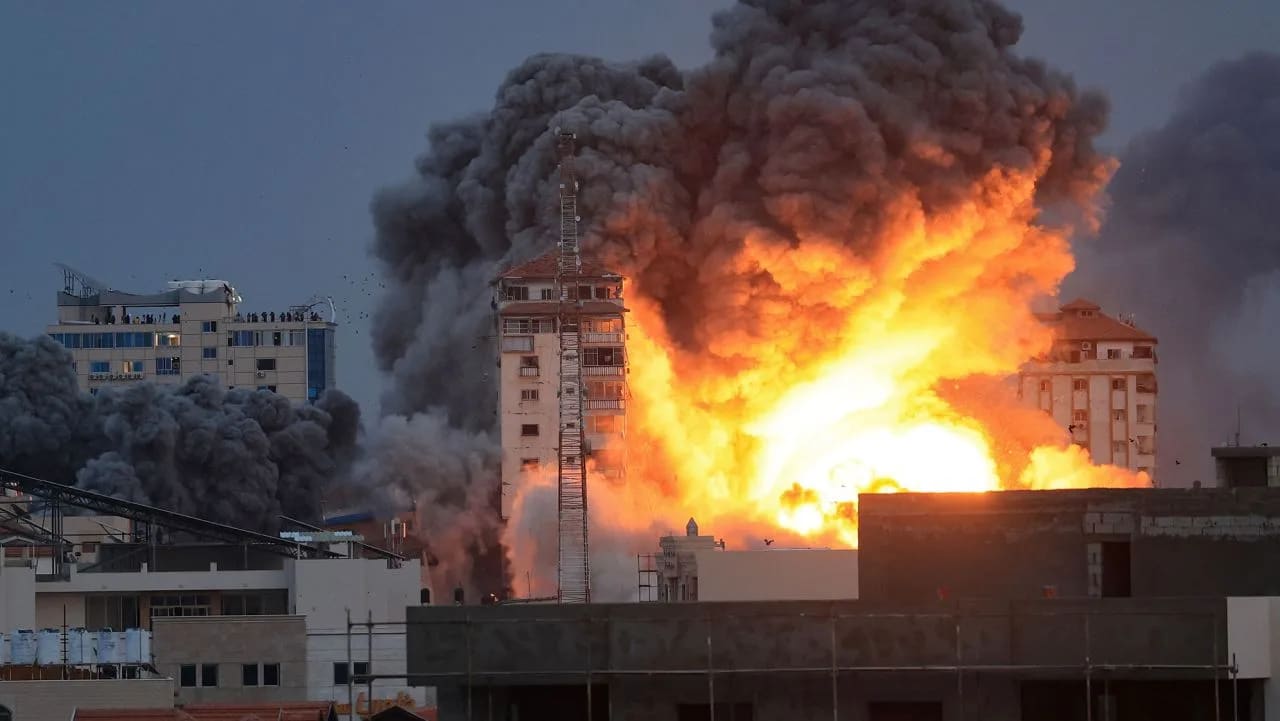
An Israeli airstrike on Nasser Hospital in southern Gaza kills at least six people, including a surgeon, raising fresh concerns
The ongoing conflict in Gaza has taken another devastating turn following an Israeli airstrike on Nasser Hospital in Khan Younis, southern Gaza. The attack, which took place in the early hours of November 12, 2026, reportedly killed at least six Palestinians, including a surgeon, and injured around 20 others. The incident has raised serious concerns about the safety of healthcare facilities and the growing humanitarian crisis facing civilians across the Palestinian territory.
According to Gaza health authorities, the strike hit the hospital's surgical department, causing extensive damage to the building and disrupting essential medical services. Emergency responders and hospital workers faced difficult conditions as they attempted to rescue injured patients and recover victims from the damaged structure. Reports from the hospital described destroyed sections of the building, scattered debris, damaged medical equipment and disrupted hospital operations.
Nasser Hospital Attack Raises Concerns About Medical Facilities
Nasser Hospital is one of the major healthcare facilities serving people in southern Gaza, particularly residents of Khan Younis and surrounding communities. With much of Gaza's medical infrastructure already severely damaged by the prolonged conflict, the hospital plays an important role in treating injured civilians and patients requiring emergency medical attention.
The latest Israeli strike has further complicated the situation for healthcare workers and patients. Damage to the surgical department threatens the hospital's ability to provide essential operations and emergency treatment at a time when medical resources are already extremely limited. The loss of experienced medical professionals also creates additional challenges for an already overwhelmed healthcare system.
The attack highlights the growing vulnerability of hospitals and other essential civilian infrastructure during armed conflicts, particularly in areas where displaced populations depend heavily on a limited number of functioning medical facilities.
Israel Claims Hamas Commander Was the Target
The Israeli military stated that the operation targeted a senior Hamas commander and other members of the armed group who were allegedly operating within the hospital complex. Israeli officials accused Hamas of using medical infrastructure for military activities, including command operations and weapons storage.
However, these allegations have not been independently verified. Hamas condemned the attack and rejected Israel's justification, describing the strike as a serious violation of international law.
The competing accounts have once again brought attention to the difficult legal and humanitarian questions surrounding military operations near hospitals. While international humanitarian law provides special protection to medical facilities, questions surrounding alleged military use of civilian infrastructure require careful examination of the available evidence and circumstances.
International Humanitarian Law and Protection of Hospitals
The attack on Nasser Hospital has renewed discussions about international humanitarian law and the protection of healthcare facilities during armed conflict. Under the Geneva Conventions, hospitals, medical personnel and patients are generally entitled to special protection. Parties involved in armed conflicts must take precautions to protect civilians and ensure that medical services can continue operating.
Medical facilities do not automatically lose their protected status because of accusations of military activity. Any exception to their protection is subject to specific legal conditions and safeguards, including applicable warnings and precautions.
The repeated damage to hospitals across Gaza has therefore attracted international concern. Humanitarian organisations have consistently called on all parties to respect medical neutrality and ensure that injured civilians can access healthcare without unnecessary risks.
Gaza's Healthcare System Faces Increasing Pressure
The latest Nasser Hospital airstrike comes at a time when Gaza's healthcare system is struggling with shortages of medical supplies, damaged infrastructure and increasing demand for emergency treatment. Years of conflict have placed enormous pressure on hospitals, doctors, nurses and humanitarian organisations operating across the territory.
Medical facilities are dealing with shortages of essential medicines, surgical equipment, electricity and other basic resources. Many healthcare workers are also operating under dangerous conditions while attempting to provide treatment to patients affected by repeated attacks and displacement.
The damage to Nasser Hospital could further reduce access to emergency medical services in southern Gaza. Patients requiring surgery, intensive care and specialised treatment may face additional difficulties if hospital departments remain disrupted.
Gaza Ceasefire Faces Further Challenges
The latest attack has also raised questions about the effectiveness of the ceasefire agreement that came into effect in October 2025. Despite the agreement, violence and military operations have continued, with Palestinian health authorities reporting more than 1,600 Palestinian deaths since the ceasefire began.
The continued attacks have complicated diplomatic efforts to stabilise the region and establish conditions for long-term peace. Disagreements over security arrangements, the withdrawal of Israeli forces and the future of Hamas remain major obstacles to implementing the next stages of the agreement.
The situation demonstrates how fragile ceasefire arrangements can become when underlying political and security disagreements remain unresolved. Continued violence also makes it increasingly difficult for humanitarian organisations to deliver assistance and support the recovery of essential public services.
International Community Faces Calls for Greater Humanitarian Action
The latest attack has increased pressure on the international community to address the humanitarian situation in Gaza. Governments, international organisations and humanitarian agencies face growing demands to ensure that medical facilities receive protection and that civilians have access to essential services.
Humanitarian assistance remains critical, particularly as displaced families continue to experience shortages of food, shelter, clean water and medical care. International diplomatic efforts will also play an important role in encouraging compliance with ceasefire commitments and preventing further escalation.
Protecting healthcare facilities must remain a priority regardless of the political and military developments surrounding the conflict. Hospitals are essential civilian institutions, and their continued operation is necessary for treating the wounded, supporting vulnerable populations and preventing further humanitarian suffering.
Conclusion: Nasser Hospital Attack Highlights Gaza's Deepening Humanitarian Crisis
The Israeli strike on Nasser Hospital in Khan Younis represents another serious development in the ongoing Gaza conflict. With at least six people reportedly killed, including a surgeon, and significant damage to the hospital's surgical department, the incident highlights the devastating consequences of continued violence for civilians and essential healthcare services.
As Gaza's medical infrastructure continues to face enormous challenges, protecting hospitals, healthcare workers and patients is increasingly important. The international community must continue supporting humanitarian assistance, encouraging accountability and pursuing diplomatic solutions that can prevent further civilian suffering.
The future of Gaza depends not only on political negotiations and security arrangements but also on ensuring that civilians have access to basic necessities, medical treatment and the opportunity to rebuild their lives.
Source: https://www.nytimes.com/2026
Follow: https://globalbizinsider.com/