Jensen Huang Senate Testimony Over China Spy Allegations
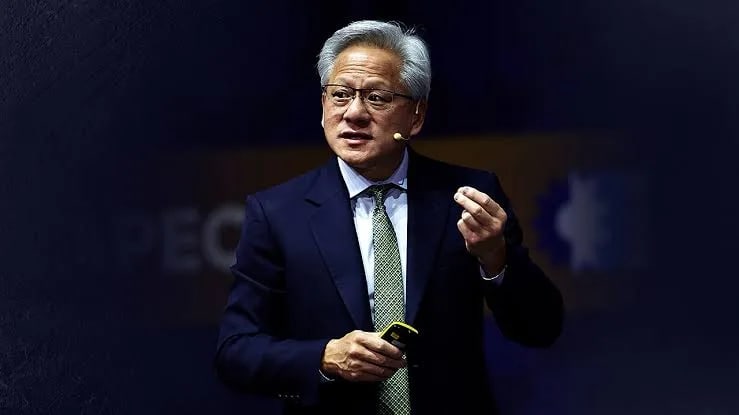
Jensen Huang Senate testimony is expected in December over alleged links to a suspected Chinese spy, raising US national security concerns.
The Jensen Huang Senate testimony controversy is drawing significant attention in Washington and Silicon Valley after the former Nvidia chief was asked to appear before US lawmakers over allegations involving a woman suspected of having links to Chinese intelligence. The development has intensified concerns about national security, technology exports and the protection of sensitive American artificial intelligence technology.
According to reports, Senator Tim Scott, chairman of the Senate Banking Committee, sent a formal letter requesting Huang's voluntary appearance on 3 December. The committee is seeking answers about the allegations and their potential implications for US national security.
The controversy comes amid reports that Nvidia has experienced a dramatic decline in its market valuation, losing approximately $550 billion in stock market value over five days as the scandal dominated headlines.
US Senate Seeks Answers From Former Nvidia Chief
Senator Tim Scott has requested that Jensen Huang appear before the Senate Banking Committee to address concerns raised by recent reports.
In his public statement on X, Scott highlighted the importance of protecting sensitive American technology and addressing potential national security risks. He also indicated that the committee could issue a subpoena if Huang does not voluntarily agree to testify.
The Senate inquiry reflects growing political attention surrounding the intersection of corporate leadership, foreign intelligence concerns and the global semiconductor industry.
Additionally, three House of Representatives committees covering intelligence, foreign affairs and China-related matters have reportedly requested a closed-door interview with Huang on 1 December.
These developments suggest that US lawmakers are seeking a broader understanding of the allegations and any possible implications for national security.
Alleged Relationship With Suspected Chinese Intelligence Asset
The controversy surrounding Huang intensified following reports of alleged extramarital relationships.
Huang reportedly admitted on Sunday that he had been unfaithful to his wife after allegations emerged concerning his relationship with Alice Huang, a former executive at Singapore-based company Megaspeed.
According to reporting by The New York Times, Alice Huang has been suspected of having connections to Chinese intelligence. China has rejected the allegation, describing it as a smear. A separate report also alleged that Jensen Huang had another relationship involving an Nvidia executive.
The allegations have attracted attention because of Nvidia's strategic importance in the global artificial intelligence industry and the sensitivity of its technology.
However, allegations concerning personal relationships and suspected intelligence connections should not be treated as established evidence of espionage or corporate wrongdoing.
Commerce Secretary Howard Lutnick Also Summoned
The Senate inquiry is not limited to the former Nvidia chief. US Commerce Secretary Howard Lutnick has also been asked to testify before the Senate Banking Committee in December. Lutnick is facing scrutiny over the administration's approach to exporting advanced Nvidia AI chips to China.
Reports suggest that officials within President Donald Trump's administration have raised concerns that Lutnick delayed efforts to strengthen restrictions on advanced semiconductor exports.
These chips are considered strategically important because of their potential applications in artificial intelligence development, advanced computing and military-related technologies. A Commerce Department spokesperson reportedly confirmed that Lutnick had proactively agreed to appear before the committee.
His testimony could provide lawmakers with additional information about US export-control policies and the government's approach to restricting China's access to advanced computing technology.
Nvidia Faces Financial and Reputational Pressure
The controversy has created significant uncertainty surrounding Nvidia, one of the world's most influential semiconductor companies.
Reports indicate that Nvidia lost approximately $550 billion in market value over five trading days as the allegations attracted widespread attention. The developments have raised questions about corporate governance, executive accountability and investor confidence.
Nvidia has played a central role in the global AI boom through its advanced graphics processing units and semiconductor technologies. Its products are widely used by technology companies, research institutions and cloud computing providers.
Any controversy involving its leadership or potential national security implications could therefore attract considerable attention from investors, regulators and international governments.
Nevertheless, stock market movements can reflect several factors, and the reported decline should not automatically be attributed entirely to the allegations.
US-China Technology Tensions Add to the Controversy
The situation also highlights the broader technological competition between the United States and China. Advanced AI chips have become a major focus of US export-control policies as Washington seeks to limit China's access to computing capabilities considered strategically sensitive.
Nvidia occupies an important position in this debate because its semiconductor products are essential to the development and deployment of advanced AI systems.
The Senate hearings could therefore extend beyond the personal allegations involving Huang and examine wider questions about technology security, export restrictions and corporate responsibilities. For the United States, ensuring that advanced semiconductor technologies do not create additional national security vulnerabilities remains a major policy priority.
What Happens Next?
The upcoming congressional proceedings could become an important development for Nvidia and the wider semiconductor industry. Jensen Huang has been requested to appear before the Senate Banking Committee on 3 December, while the House committees have reportedly sought a closed-door interview on 1 December.
Howard Lutnick is also expected to address questions surrounding advanced AI chip exports to China.
The hearings could bring greater attention to the relationship between private technology companies and national security policies.
For investors and the global technology industry, the outcome may influence discussions about corporate governance, semiconductor exports and the growing geopolitical importance of artificial intelligence.
As scrutiny continues, the focus will remain on what lawmakers establish through their investigations and whether the allegations have any wider implications for the US technology sector.
Source :https://www.bbc.com/news/articles/cmq5vd1wdgz6o
Follow The Global Bix Insider For More Such News .