King Charles Calls Slave Trade a Shameful Chapter at Commonwealth Summit
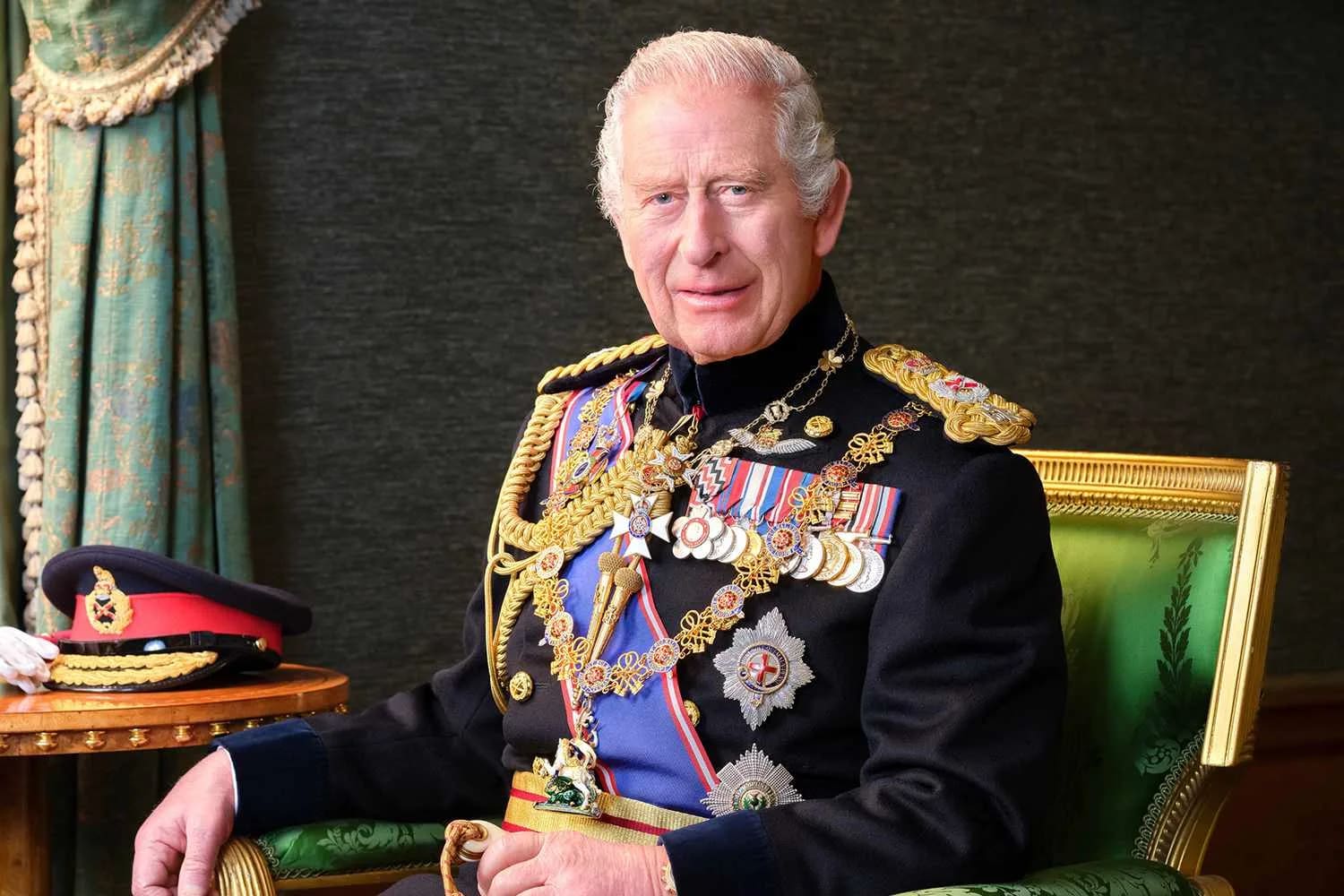
King Charles expresses profound sorrow over the transatlantic slave trade at the 2026 Commonwealth summit, renewing discussions about Britain's colonial past a
King Charles III has described the transatlantic slave trade as a “shameful chapter” of history during his address at the Commonwealth Heads of Government Meeting in Antigua and Barbuda. His remarks highlighted the lasting consequences of slavery and Britain's historical involvement in the trade of enslaved people. The speech comes amid renewed discussions about Britain's colonial legacy, historical responsibility, and calls for a formal apology and reparations to affected communities.
Commonwealth Summit Highlights the Legacy of Slavery
The Commonwealth Heads of Government Meeting brings together leaders from 56 member nations, many of which have historical connections to the British Empire. During his address, King Charles acknowledged that the legacy of the transatlantic slave trade continues to affect Caribbean nations and other Commonwealth members. He expressed profound personal sorrow over the suffering and injustice associated with slavery, recognizing the importance of understanding historical events and their continuing impact on modern societies.
The King's remarks emphasized the need to learn from history and build stronger partnerships between Commonwealth nations. He acknowledged that the past cannot be changed but suggested that countries can work together to address historical injustices through meaningful cooperation and future-oriented initiatives.
Debate Over Britain's Apology and Reparations
King Charles's speech has renewed attention on growing calls for Britain to formally acknowledge its role in the transatlantic slave trade. Activists and representatives from Caribbean nations have continued to advocate for apologies, reparative justice, and measures addressing the economic and social consequences of slavery.
Although the King expressed sorrow and acknowledged the historical injustice, his address did not include a direct formal apology or a commitment to financial reparations. The issue remains politically sensitive, with different perspectives emerging among British political leaders, Commonwealth representatives, and campaigners.
British Prime Minister Andy Burnham has indicated openness to discussions about a formal apology while expressing reservations about financial reparations. The debate reflects broader questions about how governments should acknowledge historical wrongdoing and whether present-day institutions have responsibilities toward communities affected by past injustices.
King Charles Emphasizes Partnership and Future Action
Beyond acknowledging historical suffering, King Charles highlighted the importance of developing modern partnerships to address inequality and disadvantage. He referred to initiatives involving education, employment opportunities, trade, and climate resilience as potential areas for cooperation among Commonwealth countries.
The address suggests that the Commonwealth could play an important role in strengthening economic and social relationships between member nations. However, campaigners continue to emphasize that meaningful recognition of slavery's legacy should involve more than expressions of sorrow and should include concrete actions addressing its lasting consequences.
Britain's Colonial History Remains a Sensitive Issue
The transatlantic slave trade remains one of the most significant and painful chapters in British and global history. Millions of Africans were forcibly transported across the Atlantic and subjected to exploitation, violence, and generations of suffering. The trade contributed to the economic development of several colonial powers while causing devastating consequences for African and Caribbean societies.
Discussions surrounding slavery, colonialism, and reparations have gained renewed attention in recent years. These debates involve historical accountability, economic inequality, cultural heritage, and the relationship between former colonial powers and their former territories. King Charles's Commonwealth address brings these longstanding issues back into international focus.
Conclusion
King Charles's remarks at the 2026 Commonwealth summit represent another significant acknowledgment of the historical injustice associated with the transatlantic slave trade. By describing slavery as a shameful chapter and expressing profound sorrow, the monarch has reinforced the importance of confronting Britain's colonial past. However, questions about formal apologies, reparations, and practical measures to address historical inequalities remain unresolved. The ongoing debate highlights the need for continued dialogue, historical understanding, and meaningful cooperation among Commonwealth nations.
Source : https://www.bbc.com/news/
Follow : https://globalbizinsider.com/