Kylian Mbappé Dropped by Chinese Brands Over Mao Meme Controversy
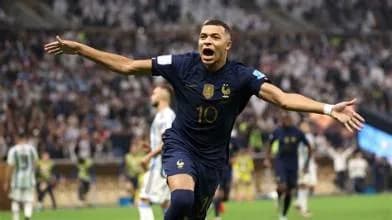
Kylian Mbappé loses Chinese brand partnerships after a viral Mao Zedong meme controversy sparks backlash, raising questions about celebrity endorsements
French football superstar Kylian Mbappé is facing a major commercial setback in China after three Chinese companies announced the termination of their partnerships with the footballer. The controversy emerged after a video circulated online in which Mbappé appeared to refer to a meme featuring his face edited onto the body of former Chinese leader Mao Zedong. The incident quickly attracted attention on Chinese social media, raising questions about cultural sensitivity, celebrity endorsements, and the risks international athletes face when operating in global markets.
Why Chinese Brands Dropped Kylian Mbappé
The controversy involves three companies: Dongpeng, Mengniu, and Milkground. All three announced that they were ending their commercial agreements with Mbappé, citing opposition to statements or actions that hurt the feelings of Chinese people. Their decisions followed the circulation of a clip reportedly taken from an interview connected to the French online talk show The Bridge.
In the video, Mbappé was asked about his favourite internet meme featuring himself. His response appeared to describe an image of a person he believed was a Chinese dictator, followed by a visual showing his face digitally placed over Mao Zedong's body. The footage's authenticity had not been independently verified by Reuters at the time of its report, making it important to distinguish the reported remarks from independently established facts. Nevertheless, the clip generated widespread criticism and contributed to the companies' decisions.
Understanding the Backlash in China
Mao Zedong remains a highly significant and sensitive historical figure in China, where public discussion and jokes involving the country's founding leader can provoke strong reactions. For many people, the controversy was not simply about an internet meme but about how a prominent international celebrity appeared to describe a figure closely associated with China's national history. The incident quickly became a wider debate about respect, cultural awareness, and the responsibilities that come with global fame.
The backlash spread rapidly across Chinese social media platforms, with related hashtags attracting widespread attention. Some users criticised Mbappé's reported comments, while others called for companies to remove his promotional appearances from advertisements and products. The response demonstrates how online discussions can influence corporate decisions, particularly when a brand's reputation is closely connected to public sentiment
The Impact on Mbappé's Brand Endorsements
Mbappé is one of the most recognisable footballers in the world, and his commercial appeal extends well beyond the football pitch. His partnerships with beverage and dairy companies have helped brands connect with younger consumers and football fans. His image has appeared in promotional campaigns across China, including advertisements for drinks and dairy products.
The termination of these agreements highlights the potential financial and reputational consequences of celebrity controversies. For companies, working with a famous athlete offers visibility and marketing opportunities, but it can also expose them to public criticism when a spokesperson becomes involved in a sensitive issue. For athletes, the incident shows that maintaining a positive public image requires more than sporting success.
Why Cultural Sensitivity Matters in Global Marketing
International brands increasingly depend on celebrities and influencers to reach audiences across different countries. However, a marketing campaign that works in one market may not be received in the same way elsewhere. Historical figures, political references, humour, and cultural symbols can carry very different meanings depending on the audience.
The Mbappé controversy illustrates why businesses must consider cultural sensitivity when selecting brand ambassadors. Companies need to assess not only an athlete's popularity but also their public statements, reputation, and ability to connect respectfully with local consumers. Similarly, international celebrities must recognise that their words can be interpreted differently across cultural and political environments.
In the digital age, a short video can reach millions of people within hours. Once a controversy begins trending, brands may face pressure to respond quickly to protect their reputation and maintain customer trust. This makes cultural awareness and crisis communication increasingly important elements of international marketing strategy.
What This Controversy Means for the Sports Industry
The incident involving Mbappé reflects a wider challenge facing the global sports industry. Professional athletes are no longer viewed solely as competitors; they are also public figures, commercial partners, and representatives of the brands they endorse. Their actions and statements can influence sponsorship agreements, consumer confidence, and relationships between sporting organisations and international markets.
For sports management companies, the situation reinforces the importance of carefully managing public relations and sponsorship risks. Businesses may need clearer communication policies, cultural-awareness training, and contingency plans to respond to unexpected controversies. At the same time, public figures benefit from responding thoughtfully when their words cause concern or misunderstanding.
The case also highlights the influence of social media in shaping modern sports business. A single viral clip can create consequences that extend beyond an individual athlete, potentially affecting sponsors, broadcasters, clubs, and commercial partners.
Conclusion
The decision by Dongpeng, Mengniu, and Milkground to end their partnerships with Kylian Mbappé highlights the growing importance of cultural sensitivity in global sports marketing. What began as a controversy surrounding a viral meme quickly developed into a major discussion about celebrity responsibility, brand reputation, and public sentiment in China.
For international athletes and businesses, the key lesson is that global popularity does not eliminate the need for cultural awareness. As sports sponsorships continue to expand across international markets, thoughtful communication and an understanding of local sensitivities will remain essential for protecting commercial relationships and maintaining public trust.
Source : https://sports.yahoo.com/articles/three-
Follow: Global Biz Insider