Late Ebola Detection in Nigeria Raises Alarm as Outbreak Spreads Across Africa
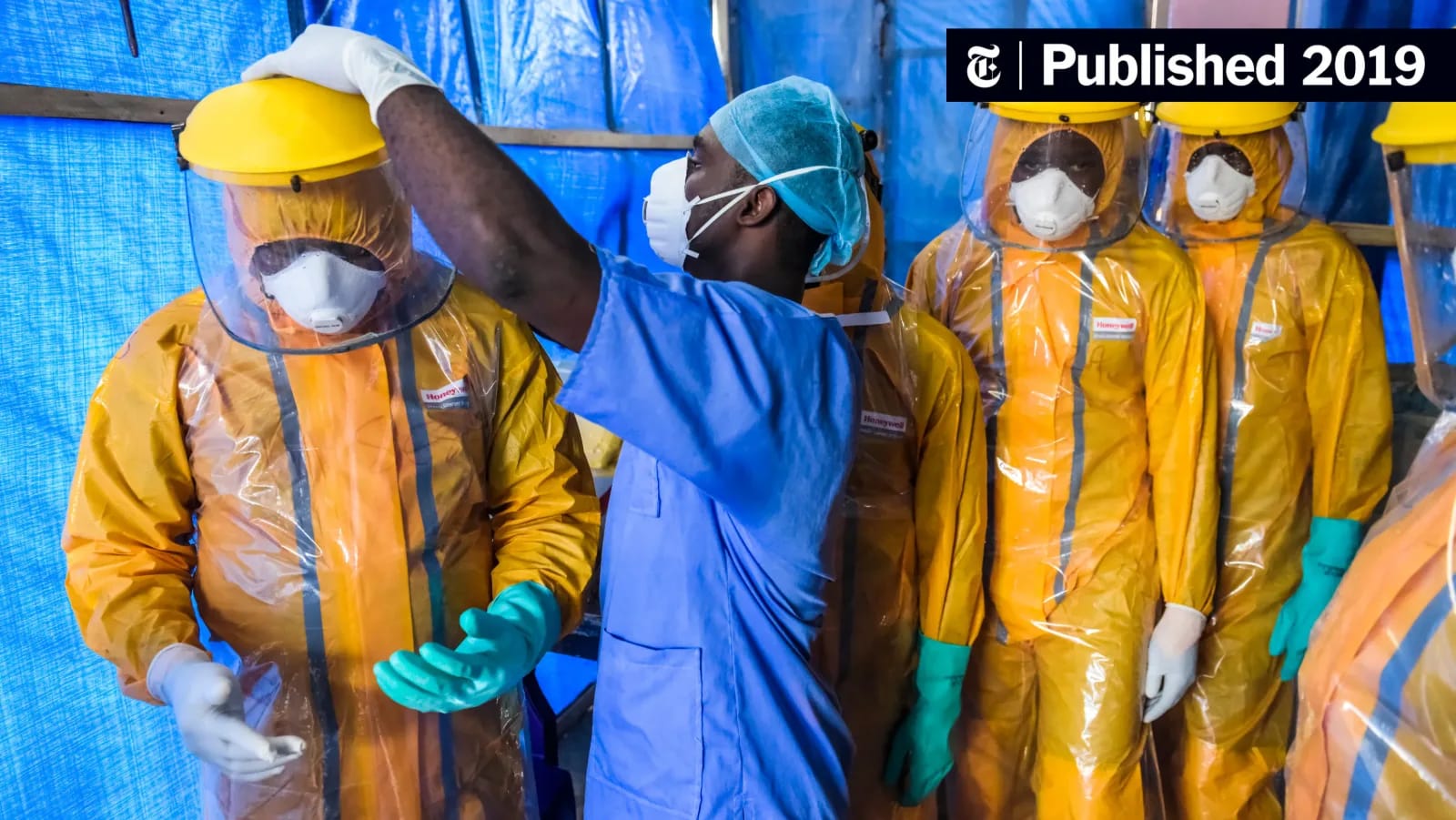
Nigeria's delayed Ebola diagnosis raises concerns about contact tracing, border screening, and public health preparedness as the outbreak spreads across Africa.
The late detection of an Ebola case in Nigeria has raised serious concerns among public health officials as the ongoing outbreak spreads across multiple African countries. Reported on October 22, 2026, the development highlights the importance of early diagnosis, effective disease surveillance, and international cooperation in controlling infectious diseases. Nigeria’s first reported Ebola case in more than a decade has intensified concerns about the ability of health authorities to identify infections quickly and prevent further transmission.
Ebola Outbreak in Africa Raises Public Health Concerns
The current Ebola outbreak began in the Democratic Republic of Congo (DRC) in May 2026 and has since affected several African countries, including Uganda, Kenya, and Nigeria. The outbreak has become one of the most serious Ebola emergencies in recent years, with thousands of reported infections and deaths in the DRC alone. The spread across national borders has increased pressure on governments and healthcare organisations to strengthen their emergency response systems.
According to reports, the Ebola case confirmed in Nigeria involved a Ugandan-born woman who arrived in Abuja after travelling to Uganda. She developed symptoms shortly after arriving in Nigeria but was initially suspected of having malaria. Her infection was confirmed only after she underwent Ebola testing on October 19, raising concerns about the delay in recognising the disease.
Delayed Ebola Diagnosis Complicates Contact Tracing
One of the major concerns surrounding Nigeria’s Ebola case is the delay between the onset of symptoms and confirmation of the infection. During this period, the patient reportedly visited multiple healthcare facilities and may have come into contact with medical workers, family members, and other individuals. This has made contact tracing a critical part of the country’s containment strategy.
Nigerian authorities initially identified 44 contacts who may have been exposed to the patient. However, health officials warned that this number could increase as investigators establish the patient's movements and identify additional people who may have had contact with her. Rapid contact tracing, medical monitoring, and isolation of suspected cases are essential measures for limiting the spread of Ebola.
The incident also demonstrates how symptoms that resemble common illnesses can complicate early diagnosis. Healthcare professionals need to consider travel history, possible exposure, and relevant outbreak information when assessing patients with compatible symptoms. Improved communication between hospitals, laboratories, and public health agencies can help ensure that suspected cases are identified and tested promptly.
Why the Ebola Virus Is Difficult to Contain
Ebola is a serious viral disease that can cause fever, weakness, vomiting, diarrhoea, and, in severe cases, bleeding and organ complications. The virus spreads through direct contact with the blood or other bodily fluids of infected people, including deceased individuals, as well as contaminated materials. It does not spread in the same way as airborne respiratory infections, making close-contact exposure and infection prevention central to outbreak control.
The current outbreak involves the Bundibugyo species of the Ebola virus. Unlike some other Ebola virus species, Bundibugyo does not have an approved vaccine or specific approved treatment available for routine outbreak control. This makes early identification, supportive medical care, protective equipment, and strict infection prevention procedures particularly important.
Healthcare workers face significant risks when suspected cases are not recognised early. Medical facilities must therefore maintain appropriate protective equipment, isolation arrangements, staff training, and protocols for safely handling potentially infectious patients. Community awareness is equally important because people who understand the symptoms and transmission routes are better positioned to seek medical attention and avoid exposing others.
Nigeria Strengthens Its Ebola Response
Nigeria's experience managing an Ebola case during the 2014–2016 West African outbreak provides an important reference point for its current response. During that earlier emergency, the country successfully contained transmission through coordinated public health action, rapid identification of contacts, and cooperation between healthcare institutions and government agencies.
However, the circumstances surrounding the 2026 case present different challenges because the infection was not confirmed immediately. The delay has increased the complexity of tracing contacts and assessing potential exposure in a major travel hub such as Abuja. Authorities must now work to identify all relevant contacts, monitor individuals at risk, and prevent possible secondary transmission.
The response also requires transparent communication with the public. Timely updates from health authorities can reduce misinformation, encourage cooperation with monitoring measures, and help communities understand the importance of following medical guidance. At the same time, public communication should avoid unnecessary panic or stigmatisation of affected individuals and communities.
International Travel and Border Screening Under Scrutiny
The spread of Ebola across several African countries has raised questions about the effectiveness of airport screening, border monitoring, and information-sharing systems. International travel can complicate outbreak management when infected individuals move between countries before their illness is recognised. Temperature checks and symptom screening may help identify some cases, but they cannot replace strong surveillance systems and access to diagnostic testing.
Another important issue is uncertainty about the patient's travel history and the precise source of infection. Reports indicated that officials were investigating whether she had travelled to the Democratic Republic of Congo before transiting through Uganda. As of October 22, the World Health Organization and Africa Centres for Disease Control and Prevention had said they had not received confirmed information establishing that she had visited the DRC.
Resolving these questions is important for understanding possible transmission routes and identifying other individuals who may have been exposed. Regional governments must share accurate information about suspected cases, travel movements, and contact-tracing findings while protecting patient confidentiality.
Role of the WHO and Africa CDC in Ebola Prevention
The World Health Organization (WHO) and the Africa Centres for Disease Control and Prevention (Africa CDC) play important roles in coordinating responses to cross-border health emergencies. Their responsibilities include supporting disease surveillance, strengthening laboratory capacity, advising governments on infection prevention, and helping countries prepare medical teams and essential supplies.
The current outbreak highlights the need for countries to maintain emergency preparedness even when they have not recently reported Ebola cases. Public health systems must be able to respond quickly to imported infections, especially in countries with major airports, busy transport networks, and large urban populations. Cooperation between national authorities and international health organisations can improve the speed and effectiveness of these responses.
Investment in trained healthcare personnel, reliable diagnostic facilities, emergency communication systems, and regional information-sharing networks can also help reduce the risk of delayed detection. Preparedness should remain a long-term priority rather than a temporary measure introduced only after an outbreak reaches a new country.
Importance of Public Awareness and Early Medical Attention
Public awareness remains a key component of Ebola prevention. Individuals who develop concerning symptoms after possible exposure or travel to an affected area should seek prompt medical advice and inform healthcare providers about their travel and contact history. Anyone who suspects exposure should follow guidance from qualified health professionals rather than attempting to manage a potentially serious infection independently.
People should avoid direct contact with the bodily fluids of suspected or confirmed cases and follow official instructions concerning isolation, testing, and monitoring. Healthcare workers and caregivers must use appropriate protective measures when providing assistance. Accurate information from recognised public health authorities is also essential for countering rumours and preventing discrimination against people associated with affected areas.
Community engagement can make outbreak-control measures more effective. When people understand why contact tracing and monitoring are necessary, they may be more willing to cooperate with health teams. Clear communication in accessible languages can help ensure that prevention guidance reaches people across different communities.
Conclusion
The late detection of Ebola in Nigeria has become a significant warning about the challenges of controlling infectious diseases in an interconnected world. The delay in diagnosis has complicated contact tracing and raised concerns about the effectiveness of disease surveillance, healthcare preparedness, and cross-border coordination. With the outbreak affecting multiple African countries, governments and international health organisations must prioritise early detection, rapid testing, infection prevention, and transparent public communication.
Nigeria’s previous success in containing Ebola offers valuable lessons, but the current situation requires a strong and coordinated response. Strengthening healthcare systems, improving regional information-sharing, and increasing public awareness will be essential to limiting further transmission. The developments underline a broader lesson for global health: identifying an outbreak quickly and responding decisively can make a critical difference in protecting communities and preventing a local health emergency from becoming a wider crisis.
Source : https://r.search.yahoo.com/_ylt=A2RTtJp
Follow : Global Biz Insider