Melting Dolomites Glaciers Reveal 250+ World War I Bombs
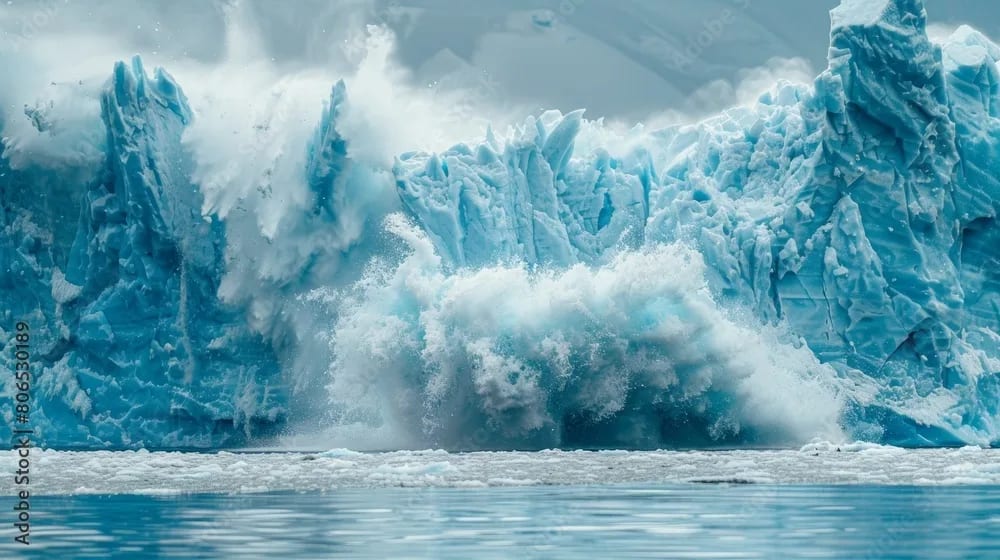
Unexploded World War I bombs, climate change and glacier melting, Italian Alps bomb discovery, White War history, retreating glaciers in Italy, World War I muni
The melting glaciers of Italy’s Dolomites have exposed a dangerous reminder of the First World War, as more than 250 explosive remnants of the historic conflict were discovered and removed during a clearance operation in 2026. The discovery has raised concerns about the growing risks associated with glacier retreat, climate change, and the safety of hikers exploring the high-altitude Alpine region. According to recent reports, the Italian Army’s Julia Alpine Brigade recovered and neutralized the explosives, many of which had remained hidden beneath ice for more than a century.
Melting Glaciers Uncover Hidden World War I Explosives
During the summer of 2026, hikers reported finding old munitions in several mountainous locations across the Trentino-Alto Adige region of northern Italy. Many of the discoveries were concentrated near Canal San Bovo in the Primiero Valley. In response, Italian military specialists carried out extensive searches across glacier-covered and high-altitude areas to locate and safely remove the dangerous remnants.
The operation resulted in the recovery of more than 250 explosive devices dating back to the First World War. Among the munitions identified were 18 Italian 75mm artillery shells and 37 Thevetot mortar shells, a French-designed type of ammunition that was also supplied to the Italian Royal Army during the war. Additional clearance operations took place in areas including the Adamello-Brenta region, Val Martello, and Stelvio National Park.
The White War: A Forgotten Chapter of World War I
The explosives are remnants of the conflict commonly known as the White War, fought between Italian and Austro-Hungarian forces in the Alpine mountains between 1915 and 1918. Soldiers faced freezing temperatures, dangerous mountain passes, avalanches, and extreme weather while fighting at high elevations. The harsh environment made military operations particularly difficult and left weapons, ammunition, shelters, and other equipment scattered across the landscape.
For decades, glaciers preserved many of these objects beneath layers of ice and snow. As the ice retreats, previously inaccessible battle sites are becoming exposed, allowing historians and researchers to discover physical evidence of the conflict. However, these discoveries are not always harmless historical treasures. Unexploded ammunition can remain dangerous long after a war has ended, creating serious risks for anyone who encounters it.
Climate Change Is Accelerating Glacier Retreat
The discovery of World War I bombs in the Dolomites highlights one of the less widely discussed consequences of global warming. Rising temperatures are accelerating the retreat of glaciers, exposing objects that have remained frozen for generations. As ice cover diminishes, military equipment and unexploded munitions can emerge on mountain slopes, near hiking routes, and in areas that were previously covered by permanent ice.
Researchers and regional experts have noted that these discoveries have become increasingly common as glaciers continue to shrink. The phenomenon also demonstrates how climate change can reveal historical evidence while simultaneously creating new environmental and public safety challenges. The loss of glacier ice affects not only mountain ecosystems and water resources but also the preservation of archaeological sites and historical remains.
The Dolomites have experienced other discoveries linked to melting ice, including abandoned military shelters, personal belongings, documents, and human remains. These findings provide valuable insights into the lives of soldiers who fought in the Alps, but they also show how quickly the changing climate can transform the landscape.
Unexploded Bombs Pose Risks to Hikers and Mountaineers
The appearance of century-old explosives presents a serious safety concern for hikers, climbers, and other visitors to the Italian Alps. Although these munitions have remained buried in ice for decades, their age does not make them safe. Many devices may still contain explosive material and can detonate if disturbed or handled improperly.
Italian military specialists have urged members of the public to avoid touching suspicious objects and to report any discoveries immediately to the police or appropriate authorities. Hikers should maintain a safe distance from suspected ammunition and avoid attempting to move, inspect, or collect it as a souvenir. If it is safe to do so without approaching the object, they can provide authorities with information about its location.
The military clearance operations have helped reduce immediate dangers in the affected areas. Nevertheless, further discoveries remain possible as temperatures rise and additional sections of ice disappear. This makes public awareness and cooperation between the military, emergency services, local authorities, and mountain rescue teams increasingly important.
Historical Discoveries Reveal the Human Cost of the White War
The retreat of glaciers in the Italian Alps has also revealed important evidence of the daily lives of soldiers during the First World War. In previous discoveries, abandoned mountain shelters have contained clothing, lanterns, letters, newspapers, coins, canned food, and other personal belongings. These objects help historians reconstruct the experiences of soldiers who lived and fought in extremely difficult conditions.
In some cases, melting ice has also exposed human remains, allowing researchers to identify soldiers who disappeared during the conflict. Such discoveries provide opportunities for families and communities to recover part of their history and give long-lost soldiers a proper burial. Plans for a museum dedicated to the White War in Bormio, scheduled to open in June 2027, are expected to help preserve and present some of this historical heritage.
However, the increasing exposure of these remains also raises questions about how historical sites should be protected as glaciers retreat. Authorities must balance archaeological research and historical preservation with the need to remove dangerous explosives and protect people visiting the mountains.
Climate Change Is Making Alpine Exploration More Dangerous
Beyond the threat posed by unexploded ammunition, glacier retreat and rising temperatures are changing conditions for outdoor activities across the Alps. Melting ice can destabilize mountain terrain, expose loose rocks, and make routes that were once covered by snow or ice more hazardous. Extreme heat can also increase the difficulty of accessing high-altitude areas safely.
The Dolomites remain a popular destination for hikers, climbers, and nature enthusiasts, but changing environmental conditions mean that visitors must pay closer attention to local safety advice and route conditions. Checking official warnings, following marked trails, and respecting restricted areas are important precautions when exploring mountainous environments.
The discovery of old explosives serves as a reminder that the effects of climate change extend beyond rising temperatures. They can also uncover hazards from the past, transforming landscapes and creating unexpected challenges for local communities, conservation authorities, and emergency responders.
Conclusion
The discovery of more than 250 World War I explosives beneath melting glaciers in Italy’s Dolomites demonstrates the connection between climate change, historical preservation, and public safety. The Italian Army’s clearance operation has removed a significant number of dangerous munitions, but continued glacier retreat may reveal further remnants of the White War in the years ahead.
As global temperatures rise, the Dolomites offer a powerful example of how environmental changes can bring forgotten history back into view while creating new risks. Protecting visitors, preserving historical evidence, and reducing the broader impacts of climate change will remain important challenges for the region. For hikers and mountaineers, the essential message is clear: never touch suspected explosives, and report any discovery to the appropriate authorities immediately.
Source : https://gizmodo.com/melting-glaciers
Follow : Global Biz Insider