Meta Global Policy Chief Joel Kaplan to Exit After 15 Years
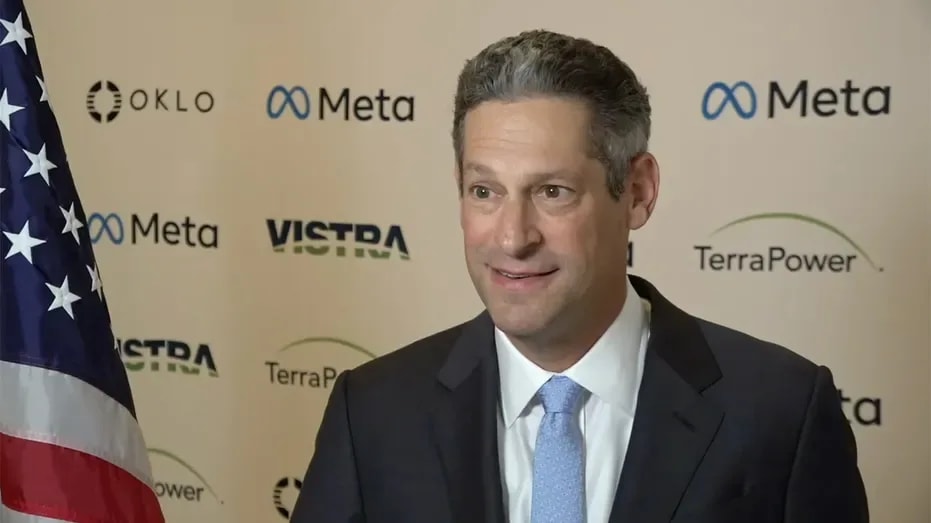
Meta's global affairs chief Joel Kaplan plans to leave in 2027 after 15 years. Learn how Dina Powell McCormick will take on external affairs responsibilities.
Meta Platforms is preparing for a major leadership transition as Joel Kaplan, its Chief Global Affairs Officer, plans to leave the company in 2027 after more than 15 years. The development marks an important change in the leadership of the technology giant, which owns Facebook, Instagram and WhatsApp. Meta President and Vice Chairman Dina Powell McCormick is set to take on additional responsibilities related to external affairs as the company continues to navigate political relationships, regulatory challenges and growing scrutiny of artificial intelligence. The leadership change was reported on October 21, 2026. <escape>[1]</escape>
Joel Kaplan's Departure Marks the End of a 15-Year Career at Meta
Joel Kaplan joined Facebook, now known as Meta, in 2011 as Vice President of US Public Policy. Over the years, he became one of the company's most influential executives, helping develop its public policy operations and manage relationships with lawmakers, government officials and regulators. His responsibilities expanded as Facebook grew into a global technology business facing increasing scrutiny over data privacy, content moderation, competition and online safety.
Kaplan became Meta's Chief Global Affairs Officer in January 2025, succeeding former UK Deputy Prime Minister Nick Clegg. In this position, he played a central role in shaping the company's global policy strategy and political engagement. His departure is expected to take place in 2027, following a transition period during which he will continue supporting the company.
Kaplan has said he intends to spend more time with his family and consider his next steps after leaving Meta. CEO Mark Zuckerberg has acknowledged Kaplan's contribution to the company, highlighting his involvement in addressing major challenges throughout Meta's development. <escape>[2]</escape>
Dina Powell McCormick to Take on External Affairs Responsibilities
Dina Powell McCormick, Meta's President and Vice Chairman, will expand her responsibilities to include external affairs. Her appointment comes at a time when Meta is investing heavily in artificial intelligence infrastructure while working to strengthen relationships with governments, investors and other important stakeholders.
Powell McCormick joined Meta's leadership in January 2026. She brings extensive experience in global finance, economic development and public service. Before joining Meta, she spent 16 years at Goldman Sachs, where she held senior leadership positions and worked on international investment and economic development initiatives. She also served in the administrations of former US presidents George W. Bush and Donald Trump.
Her experience in government and finance could be valuable as Meta addresses policy discussions, international partnerships and regulatory developments. However, the expansion of her responsibilities does not mean that every aspect of Kaplan's former role will necessarily be handled by her alone. Meta's leadership transition involves a broader distribution of responsibilities across senior executives.
Meta's Political and Regulatory Challenges
Meta operates in a complex regulatory environment, with governments worldwide examining how social media platforms manage user information, harmful content, competition and emerging technologies. Its relationships with political leaders and regulators have become increasingly important as the company expands its services and investments.
Kaplan, a longtime Republican strategist, previously served as Deputy Chief of Staff for Policy under former US President George W. Bush. His political background helped shape his work at Meta, particularly in its engagement with US lawmakers and government officials. During his tenure, the company faced several controversies involving content moderation, privacy, political influence and platform accountability.
In recent years, Meta has also made significant changes to its US content moderation policies and diversity initiatives while pursuing closer engagement with the Trump administration. These developments have drawn attention from policymakers, civil society groups and technology industry observers. The transition in global affairs leadership comes as Meta continues balancing its commercial objectives with demands for transparency, accountability and responsible platform management. <escape>[3]</escape>
Artificial Intelligence Adds to Meta's Policy Responsibilities
Artificial intelligence is becoming a central part of Meta's business strategy, creating new opportunities as well as regulatory challenges. The company is investing in AI models, computing infrastructure and data centres while exploring how advanced technologies can improve its products and services.
These investments have increased the importance of relationships with governments, local communities and infrastructure partners. Data centres require substantial computing capacity, electricity and physical resources, making their development an issue of public policy as well as technology. Meanwhile, policymakers are examining AI safety, transparency, privacy, copyright and the potential effects of automated systems on employment and society.
Meta must therefore work with regulators and stakeholders across different markets as it develops and deploys new AI technologies. Changes in its global affairs leadership could influence how the company coordinates these discussions, although its long-term approach will depend on decisions made by the wider executive team.
What the Leadership Transition Means for Meta
Joel Kaplan's planned departure represents a significant change for Meta after more than a decade of involvement in its public policy operations. His experience spans the company's expansion from Facebook into a broader technology business with a global presence and a growing portfolio of AI products.
For Meta, the transition provides an opportunity to redistribute responsibilities and align its external engagement with its current business priorities. Powell McCormick's expanded role, alongside the responsibilities of other senior executives, is expected to support the company's work on government relations, communications, legal matters and policy.
The transition is also taking place ahead of the US midterm elections scheduled for November 3, 2026, a period when technology companies may face heightened attention from lawmakers and political stakeholders. Meta's ability to maintain constructive relationships with policymakers will remain important as debates over social media, AI and technology regulation continue.
Conclusion
Meta's decision to prepare for Joel Kaplan's departure after 15 years highlights the changing priorities of one of the world's largest technology companies. With Dina Powell McCormick taking on external affairs responsibilities and other executives continuing to oversee key policy and communications functions, Meta is preparing for a new phase in its leadership structure.
As artificial intelligence investments accelerate and regulatory scrutiny continues, the company's approach to government relations, public policy and external partnerships will remain an important part of its global strategy. The coming transition period will offer a clearer picture of how Meta plans to manage these responsibilities while pursuing its long-term technology and business goals.
Source : https://www.indiatvnews.com/technology/
Follow : Global Biz Insider