Mexico’s Day of the Dead: Ancient Traditions in Metlatónoc
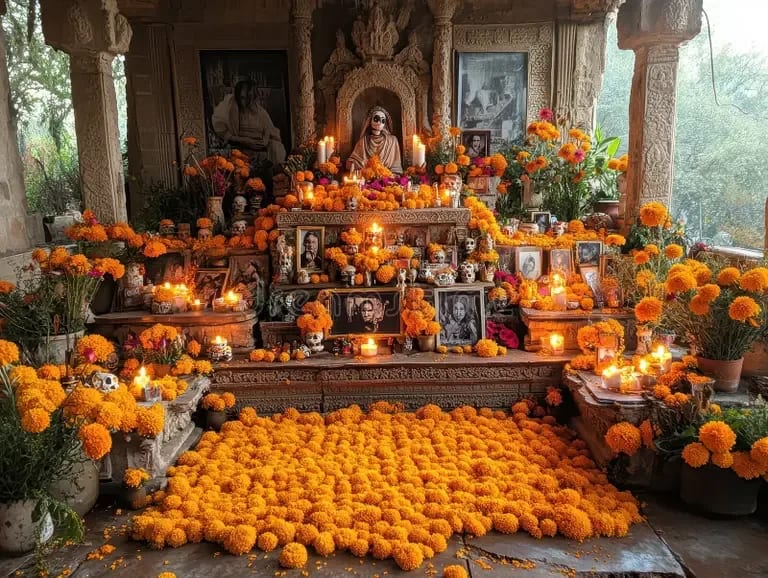
Discover how Mexico’s Day of the Dead is celebrated in Metlatónoc, where Indigenous Mixtec traditions, ancestral beliefs, and family rituals honor the spirits
Mexico’s Day of the Dead, widely known as Día de los Muertos, is one of the country’s most meaningful cultural celebrations. Observed through colorful decorations, traditional food, music, and family gatherings, the festival honors deceased loved ones and celebrates the enduring connection between the living and the dead. While celebrations take place throughout Mexico, the remote mountain town of Metlatónoc in Guerrero offers a distinctive perspective on this deeply rooted tradition. Here, ancestral beliefs and Indigenous customs shape a remarkable celebration that extends beyond the familiar two-day observance.
Metlatónoc: A Unique Day of the Dead Celebration
Located in the mountainous region of southern Mexico, Metlatónoc is home to the Indigenous Mixtec community, also known as the Na Savi or people of the rain. According to a report published by The New York Times on November 3, 2026, the community observes an extended 10-day celebration during which families welcome the spirits of deceased relatives through ceremonies, music, and processions. The traditions reflect a belief that death does not permanently separate individuals from their families and communities. Instead, the deceased continue to remain connected to the living through spiritual and cultural practices. <Cite refs={["turn635251search0","turn635251search1"]}/>
Ancient Indigenous Beliefs and the Meaning of Death
The Day of the Dead in Metlatónoc reflects a distinctive understanding of death rooted in Indigenous Mixtec traditions. Rather than viewing death solely as an ending, community members believe that the spirits of their loved ones continue to exist and can return to visit their families during the festival. These beliefs influence how people prepare their homes, organize ceremonies, and participate in community gatherings. The celebration demonstrates how ancestral traditions continue to shape cultural identity and preserve connections between generations.
Traditional Altars, Marigolds, and Offerings
One of the most recognizable elements of Mexico’s Day of the Dead is the preparation of elaborate altars, known as ofrendas. In Metlatónoc, families decorate their altars with bright orange marigold flowers, photographs of deceased relatives, traditional foods, candles, and other meaningful offerings. Marigolds, commonly known as cempasúchil, are believed to help guide the spirits back to their homes. Families also prepare meals, beverages, and personal items that their deceased loved ones enjoyed during their lives. These offerings transform remembrance into a meaningful expression of love, hospitality, and respect.
Music, Processions, and Community Participation
Music and public processions play an important role in the Day of the Dead celebrations in Metlatónoc. Families and community members participate in ceremonies intended to welcome the spirits of the departed. Traditional music, candlelight, flowers, and religious imagery create an atmosphere that combines solemn remembrance with joyful celebration. These rituals highlight the collective nature of the festival, bringing together individuals and families to honor their ancestors and strengthen their shared cultural identity.
The Influence of Indigenous and Catholic Traditions
Mexico’s Day of the Dead reflects a combination of Indigenous beliefs and Catholic practices that developed over centuries. Across the country, families commemorate deceased relatives through cemetery visits, religious ceremonies, offerings, and household altars. In Metlatónoc, these influences are particularly visible in the integration of ancestral Mixtec customs with Catholic rituals. This cultural combination illustrates how communities preserve older traditions while incorporating religious practices that have become part of their history.
Migration and the Importance of Returning Home
Migration has influenced many families in Metlatónoc, with residents moving to other parts of Mexico or the United States in search of employment and better opportunities. Despite living far from their hometown, many individuals continue to return for the Day of the Dead celebrations. The festival provides an opportunity to reconnect with family members, cultural traditions, and ancestral roots. For people living abroad, returning to their hometown to participate in these ceremonies can represent a powerful connection to their identity and heritage.
Day of the Dead: Preserving Mexico’s Cultural Heritage
The celebrations in Metlatónoc demonstrate that Mexico’s Day of the Dead is much more than a colorful festival or tourist attraction. It is a deeply personal and communal tradition that reflects the country’s cultural diversity, Indigenous heritage, and enduring relationship with the past. While celebrations differ across regions, the central purpose remains honoring deceased loved ones and preserving their memories.
The traditions of Metlatónoc offer a valuable reminder of how cultural practices can maintain a sense of belonging even as communities experience migration, social change, and modernization. Through rituals, offerings, music, and family gatherings, the community continues to preserve its ancestral beliefs for future generations.
Conclusion
Mexico’s Day of the Dead celebrations in Metlatónoc provide a fascinating insight into the relationship between life, death, and cultural identity. The community’s 10-day observance, rooted in Indigenous Mixtec traditions, highlights the belief that deceased loved ones remain an important part of everyday life. From traditional altars and marigold flowers to musical processions and family gatherings, these customs demonstrate the enduring power of remembrance. The celebration stands as a testament to Mexico’s rich cultural heritage and the importance of preserving ancestral traditions in an increasingly interconnected world.
Source: https://www.nytimes.com/2026/
Follow : https://globalbizinsider.com/