Myanmar Genocide Ruling 2026: ICJ Finds Myanmar Responsible for Rohingya Genocide
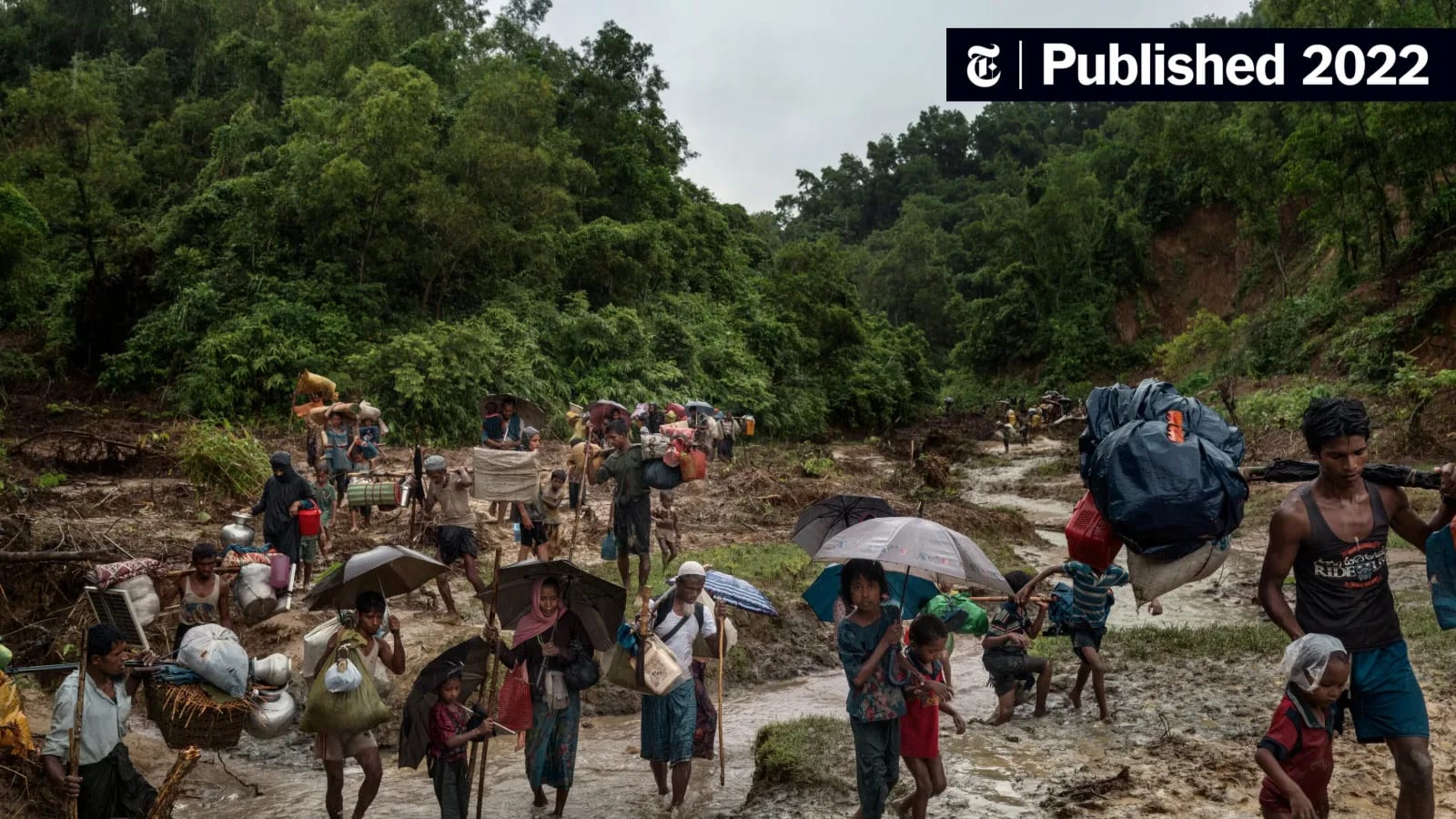
The ICJ has ruled that Myanmar committed genocide against the Rohingya. Explore the historic 2026 verdict, refugee crisis and international justice implications
The International Court of Justice (ICJ) has delivered a landmark judgment finding Myanmar responsible for committing genocide against the Rohingya Muslim minority during the military crackdown in Rakhine State in 2017. The historic ruling, announced on November 19, 2026, marks a significant moment in international law and human rights accountability. It represents the first time the United Nations' highest court has ruled that a state committed genocide, bringing renewed international attention to the suffering of the Rohingya community.
International Court of Justice Delivers Historic Myanmar Genocide Verdict
The International Court of Justice, based in The Hague, Netherlands, ruled by a 9–6 majority that Myanmar had committed genocide against the Rohingya population in northern Rakhine State. The judgment followed years of legal proceedings initiated by The Gambia in November 2019 under the 1948 United Nations Genocide Convention.
The court examined evidence relating to the Myanmar military's 2017 operations, which resulted in widespread violence, killings, sexual assaults and the destruction of Rohingya villages. The judges concluded that the actions of Myanmar's security forces constituted genocide, rejecting the country's defence that the military campaign was simply a legitimate counterinsurgency operation targeting armed groups.
The judgment is particularly significant because it establishes state responsibility for genocide under international law. It also reinforces the principle that governments can be held legally accountable for serious violations of international human rights and humanitarian obligations.
Background of the Rohingya Crisis in Myanmar
The Rohingya crisis has been one of the most serious humanitarian emergencies in Southeast Asia. The Rohingya are a predominantly Muslim ethnic minority who have faced decades of discrimination, restrictions on citizenship and limited access to basic rights in Myanmar.
In August 2017, Myanmar's military launched a major security operation in Rakhine State following attacks by Rohingya insurgents. However, the operation resulted in widespread reports of killings, sexual violence, village burnings and forced displacement. More than 730,000 Rohingya fled across the border into Bangladesh, seeking safety from the violence.
Many survivors described horrific experiences, including the destruction of their homes, separation from family members and attacks against civilians. International investigations subsequently raised serious concerns about possible genocidal intent and systematic human rights violations.
Today, approximately 1.2 million Rohingya refugees remain in Bangladesh, particularly in the overcrowded refugee settlements of Cox's Bazar. Their prolonged displacement continues to create significant humanitarian, economic and social challenges.
The Gambia's Legal Battle Against Myanmar
The legal proceedings began in November 2019 when The Gambia filed a case against Myanmar at the International Court of Justice. Supported by the Organisation of Islamic Cooperation, The Gambia argued that Myanmar had violated the Genocide Convention through its treatment of the Rohingya population.
In January 2020, the ICJ introduced provisional measures requiring Myanmar to take steps to prevent acts of genocide against the Rohingya and preserve relevant evidence. The case subsequently progressed through preliminary legal proceedings, written submissions and public hearings.
The final hearings took place in January 2026, allowing both parties to present their arguments and evidence. The November 19 judgment represents the conclusion of a lengthy legal process that attracted international attention from human rights organisations, governments and legal experts.
The decision also highlights the importance of international legal institutions in addressing serious human rights violations when national authorities fail to provide adequate accountability.
International Accountability and Human Rights Implications
The Myanmar genocide ruling carries major implications for international justice. By establishing that a state can be held responsible for genocide, the ICJ has reinforced the importance of the Genocide Convention and the international community's responsibility to prevent and punish such crimes.
The court's decision also addresses Myanmar's obligations to investigate and punish individuals responsible for genocide. It emphasises that governments cannot avoid accountability simply by describing military operations as national security or counterterrorism measures.
However, the ICJ and the International Criminal Court have different responsibilities. The ICJ resolves legal disputes between states, while the ICC investigates and prosecutes individuals accused of international crimes. Therefore, the ruling against Myanmar does not automatically mean that individual military leaders have been criminally convicted.
The judgment could also influence discussions surrounding other international cases involving allegations of genocide, particularly those concerning the interpretation and enforcement of the Genocide Convention.
What the Ruling Means for Rohingya Refugees
For millions of Rohingya people, the ICJ judgment represents an important step towards recognition, justice and international accountability. Many refugees have spent years living in difficult conditions in Bangladesh, with limited access to education, employment opportunities, healthcare and long-term security.
The ruling could strengthen international efforts to secure justice for survivors, obtain compensation and establish conditions for safe, voluntary and dignified repatriation to Myanmar.
However, returning home remains complicated. Myanmar continues to experience political instability and armed conflict following the military coup in February 2021. Security concerns, restrictions on citizenship and the uncertain situation in Rakhine State remain major obstacles to the sustainable return of refugees.
The international community will therefore face the challenge of translating the legal judgment into meaningful improvements in the lives of Rohingya survivors.
Challenges in Enforcing the ICJ Judgment
Although decisions of the International Court of Justice are legally binding on the parties involved, the court does not have its own enforcement mechanism. If Myanmar fails to comply with the judgment, The Gambia can bring the matter before the United Nations Security Council.
This creates questions about the practical implementation of international justice, particularly when a government refuses to cooperate with international institutions.
Effective enforcement will require sustained diplomatic pressure, international cooperation and continued monitoring of human rights conditions in Myanmar. Governments and international organisations will also need to support humanitarian assistance and accountability initiatives to ensure that the judgment produces tangible results.
Conclusion: A Landmark Moment for International Justice
The International Court of Justice's November 19, 2026, ruling against Myanmar represents a historic development in the global fight against genocide and human rights violations. By finding Myanmar responsible for genocide against the Rohingya, the court has delivered an important legal recognition of the suffering experienced by an entire community.
Nevertheless, the judgment is only one step towards achieving justice. Accountability for those responsible, compensation for survivors, protection of displaced populations and the possibility of safe repatriation remain critical challenges.
The case sends a powerful message that genocide cannot be treated as an internal political matter and that states have international obligations to protect vulnerable communities. Its long-term significance will ultimately depend on whether the international community can turn this historic legal decision into lasting justice for the Rohingya people.
Source: https://www.nytimes.com/live/2
Follow: https://globalbizinsider.com/