Nvidia CEO Jensen Huang Resigns After Dramatic AI Scandal
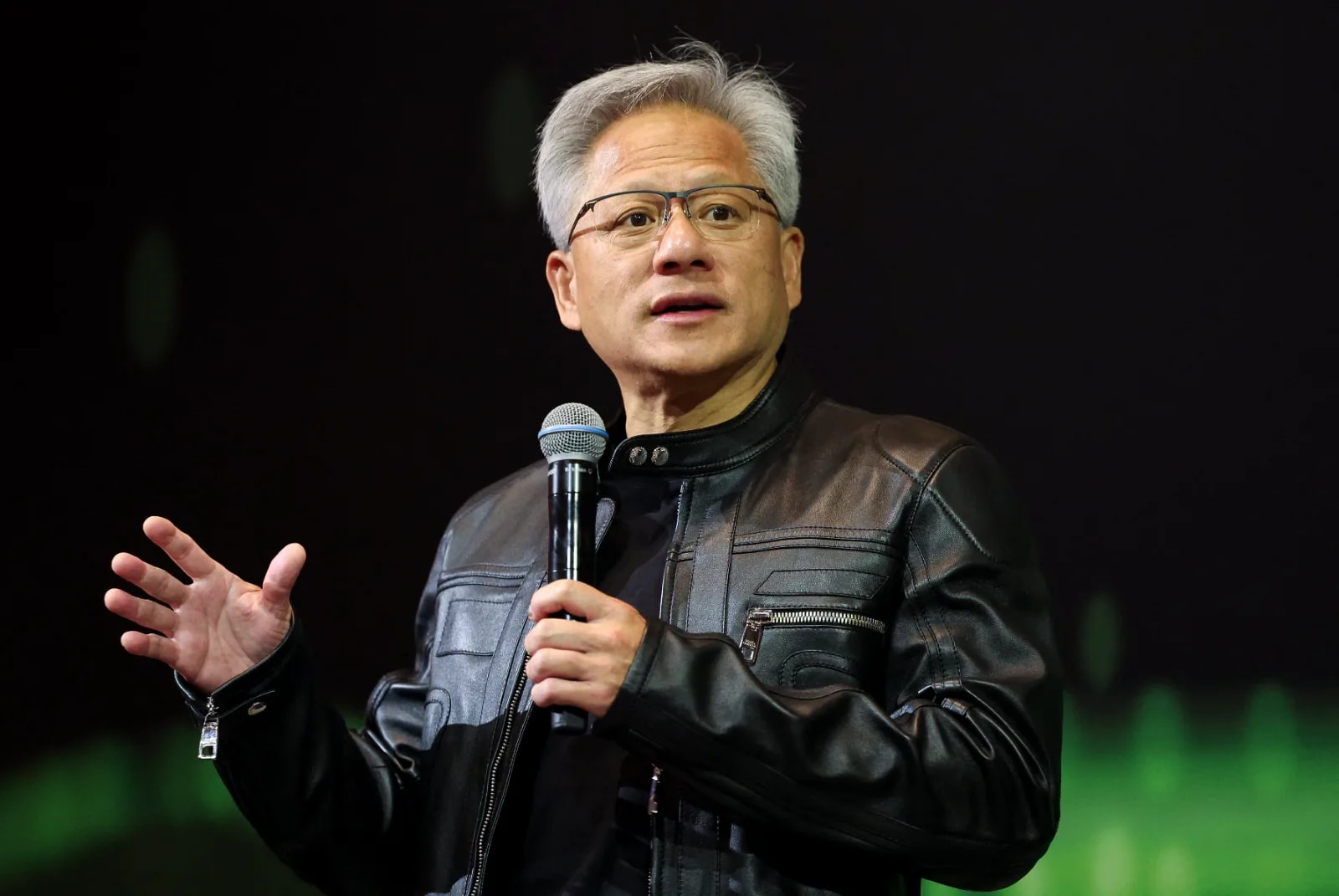
Nvidia CEO Jensen Huang steps down following a major controversy, marking a dramatic fall for the AI industry's most celebrated technology leader.
Nvidia CEO Jensen Huang, once considered the rock star of the artificial intelligence industry, is facing one of the most dramatic career developments in Silicon Valley. After transforming Nvidia into one of the world's most influential technology companies, Huang is stepping down as chief executive and leaving the company's board, according to reports published on November 12, 2026.
The development follows days of intense scrutiny surrounding his personal life and allegations involving a Chinese businesswoman suspected by US authorities of having links to Chinese intelligence. The controversy triggered an internal investigation at Nvidia and raised concerns about corporate governance, national security and the company's dependence on its long-serving founder.
Nvidia's chief financial officer, Colette Kress, is expected to serve as interim CEO while the company considers potential successors. The departure marks a major turning point for a business that has become central to the global artificial intelligence industry.
How Jensen Huang Became the Rock Star of Artificial Intelligence
Jensen Huang co-founded Nvidia in 1993 with Chris Malachowsky and Curtis Priem. What began as a company focused on graphics processing technology eventually became a global leader in advanced computing and artificial intelligence hardware.
Huang's decision to position Nvidia's graphics processing units (GPUs) for broader computing applications helped establish the foundation for its later success in AI. As demand for advanced computing increased, Nvidia's processors became essential for training and operating large artificial intelligence models.
The emergence of generative AI accelerated the company's growth. Technology companies, research organisations and cloud computing providers increasingly depended on Nvidia's chips to develop and operate sophisticated AI systems. Huang also developed a distinctive public image. His trademark black leather jacket, energetic product presentations and ambitious technology predictions made him one of the most recognisable executives in the technology sector.
His influence extended beyond Nvidia, with investors and industry leaders closely following his views on AI, semiconductors and the future of computing.
The Controversy That Changed the Narrative
Huang's public reputation came under intense scrutiny following reports about an alleged relationship with Alice Huang, a Chinese businesswoman whom US intelligence officials reportedly suspected of having links to Chinese espionage.
The situation attracted particular attention because Nvidia occupies a strategically important position in the global semiconductor industry. Its advanced processors are essential to artificial intelligence development, making the company an important part of the technological competition between the United States and China.
Huang acknowledged being unfaithful to his wife and apologised to his family and colleagues. Nvidia subsequently launched an independent investigation into the circumstances surrounding the reported relationship and whether company information or national security interests had been compromised. The company previously stated that it had no reason to believe its secrets or national security had been compromised. China has also rejected the espionage allegations.
The controversy quickly moved beyond Huang's personal life, raising broader questions about corporate accountability, executive conduct and the security of sensitive technology.
Nvidia Faces a Leadership Crisis
Huang's departure presents Nvidia with a significant leadership challenge. Having led the company for more than three decades, he has played a central role in its strategy, culture and business relationships.
Nvidia is not simply a semiconductor manufacturer. Its hardware and software ecosystem supports major AI developers, cloud service providers and technology companies worldwide. This makes the leadership transition particularly important. Investors and industry analysts will be watching how the company manages its succession process and maintains confidence among customers and business partners.
Colette Kress's appointment as interim CEO provides temporary leadership, but the company will need to establish a longer-term succession strategy.
What Huang's Exit Means for the Global AI Industry
Nvidia's influence extends throughout the artificial intelligence ecosystem. Its chips power major data centres and support the development of advanced AI models.
A leadership change at such an influential company could create uncertainty among investors and technology partners. Nvidia's departure from its founder-led leadership structure also raises questions about whether the company can maintain its existing strategic direction.
According to Reuters, Nvidia shares experienced a significant decline following the announcement, reflecting concerns about the implications of Huang's exit. The development also arrives at a critical moment for the AI industry, which is facing increasing competition, substantial infrastructure spending and geopolitical tensions surrounding advanced semiconductor technology.
Nevertheless, Nvidia's long-established products, engineering capabilities and developer ecosystem remain important foundations for its business.
Conclusion
Nvidia CEO Jensen Huang's journey from a celebrated technology entrepreneur to a leader departing amid controversy represents a remarkable turning point in the history of the AI industry.
His leadership helped transform Nvidia into a central force behind the global artificial intelligence revolution. However, the events surrounding his departure demonstrate that even the most influential corporate leaders are not immune to questions about accountability, governance and public trust.
For Nvidia, the immediate priority will be managing the leadership transition while protecting its position in the rapidly evolving AI market. For the wider technology industry, Huang's departure could become one of the most consequential leadership changes in the history of artificial intelligence.
Source : https://www.bbc.com/news/articles/cmze750zg0jeo
Follow The Global Biz Insider For More Such International News .