PHP Security Flaws Spark Global Cybersecurity Scramble
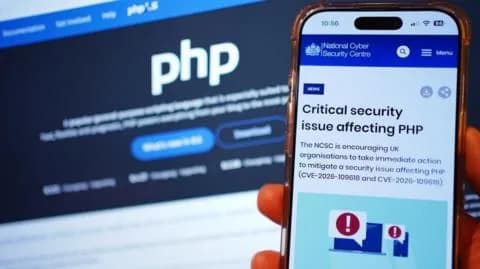
PHP security flaws have triggered a global cybersecurity scramble, raising concerns over website safety, AI-assisted vulnerability detection and online data pro
PHP security flaws have triggered a global cybersecurity scramble, highlighting the risks associated with vulnerabilities in widely used web technologies. The incident has raised concerns among developers, businesses and government agencies about website security, the protection of sensitive data and the growing role of artificial intelligence (AI) in identifying software weaknesses.
PHP is one of the most widely used programming languages for website development. It powers server-side functions such as processing user requests, managing databases and generating dynamic web pages. Because so many websites rely on PHP, vulnerabilities in the technology can create security challenges for organisations across different industries.
What Is PHP and Why Is It Important?
PHP, which stands for PHP: Hypertext Preprocessor, is a free, open-source programming language primarily designed for web development. It enables websites to perform tasks that go beyond displaying static information, including user authentication, online transactions and database management.
The language is widely associated with content management systems such as WordPress and Drupal. It is also used in e-commerce platforms, business websites, online publishing systems and other digital services.
PHP's widespread adoption makes it an important component of the internet's infrastructure. However, this popularity also means that security vulnerabilities affecting PHP can have consequences for a large number of websites and online services.
Why Did PHP Security Flaws Trigger a Global Response?
The reported vulnerabilities raised concerns because certain types of PHP security weaknesses can potentially allow attackers to execute malicious code on vulnerable servers.
One particularly serious category is remote code execution (RCE). If successfully exploited, an RCE vulnerability may allow an attacker to run commands on a server without legitimate authorisation.
Depending on the vulnerability and the server's configuration, successful exploitation could expose sensitive information, compromise website functionality or provide a pathway for further attacks.
The severity of any particular vulnerability depends on the affected PHP version, the server environment and the security measures already in place. Not every PHP installation is necessarily vulnerable, and a reported security flaw does not automatically mean that a website has been compromised.
How Artificial Intelligence Is Changing Cybersecurity
Artificial intelligence is increasingly being used to analyse software, identify programming errors and help security researchers investigate vulnerabilities.
AI-assisted tools can examine large amounts of code, identify unusual patterns and help researchers investigate potential weaknesses that might otherwise take considerable time to discover.
In the PHP security incident, AI-assisted vulnerability research highlighted the potential for advanced tools to uncover software weaknesses and accelerate security investigations.
However, the same capabilities can create risks when used by malicious actors. Attackers may use AI tools to analyse vulnerable systems, automate parts of their research and develop attacks more efficiently.
This has intensified the competition between cybersecurity teams working to secure systems and criminals attempting to exploit weaknesses before organisations can apply fixes.
What Are the Potential Risks for Websites and Businesses?
PHP vulnerabilities can create several security risks when affected systems are exposed and remain unpatched.
1. Data Theft and Privacy Risks
A compromised server may expose customer records, account information or other sensitive data, depending on the attacker's level of access and the system's configuration.
2. Website Disruption
Attackers may interfere with website operations, modify content or disrupt services. Such incidents can affect customer confidence and business continuity.
3. Malware Distribution
In some circumstances, compromised websites can be used to distribute malicious software, redirect visitors to harmful pages or support additional cyberattacks.
4. Financial and Reputational Damage
Businesses affected by cyber incidents may face recovery expenses, operational disruption, potential regulatory consequences and reputational harm.
Small businesses can also be at risk, particularly when they depend on outdated software or lack dedicated cybersecurity personnel.
Why Organisations Sometimes Take Systems Offline
When a critical vulnerability is discovered, organisations must assess whether their systems are exposed and determine the safest response.
In some cases, administrators may temporarily restrict access or take affected services offline while applying security updates and investigating potential compromise.
Such precautionary measures can reduce exposure during the response process. However, temporary downtime does not necessarily indicate that a system has been successfully attacked.
Organisations must balance the need to maintain online services with the importance of protecting users, business operations and sensitive information.
How Website Owners Can Protect Their Systems
Website owners and developers can take several practical steps to reduce the risks associated with PHP vulnerabilities.
Update PHP installations: Check the installed PHP version and apply security updates recommended by the official PHP project.
Maintain website software: Update content management systems, plugins, themes and other components that interact with the server.
Monitor suspicious activity: Review server logs and security alerts for unusual requests, unexpected changes or signs of possible compromise.
Strengthen access controls: Use strong authentication, restrict administrative privileges and avoid exposing unnecessary services to the internet.
Maintain secure backups: Keep tested backups so that essential website data and services can be restored if an incident occurs.
Follow official security advisories: Consult PHP's official security announcements and relevant cybersecurity authorities for information about affected versions and available fixes.
Website administrators should also investigate potential compromise rather than assuming that installing an update alone resolves every security concern.
What the PHP Incident Means for the Future of Cybersecurity
The incident illustrates how vulnerabilities in widely used technologies can create challenges that extend beyond individual companies or websites.
It also demonstrates the growing influence of AI in cybersecurity. Automated tools can help defenders identify problems earlier, but they may also increase the speed and scale of malicious activity.
For technology companies, governments and businesses, the priority is to strengthen software maintenance practices, improve vulnerability monitoring and respond quickly when critical security issues emerge.
As organisations become increasingly dependent on digital services, cybersecurity will remain an essential part of business continuity and customer protection.
Conclusion
PHP remains an important technology for building and operating websites, but its widespread use makes the security of its software ecosystem particularly significant.
The PHP security incident highlights the importance of identifying vulnerabilities, applying patches promptly and monitoring systems for suspicious activity. It also demonstrates how artificial intelligence is changing the way security weaknesses are discovered and investigated.
For website owners and businesses, the most important takeaway is clear: maintaining secure software is an ongoing responsibility, not a one-time task. Regular updates, strong access controls and effective incident response procedures can help reduce exposure to evolving cyber threats.
Source : https://www.bbc.com/news/articles/c3qjnwye0ep5o
Follow The Global Biz Insider .