Pope Leo XIV Rebukes Argentina’s Austerity Measures and Javier Milei’s Economic Policies
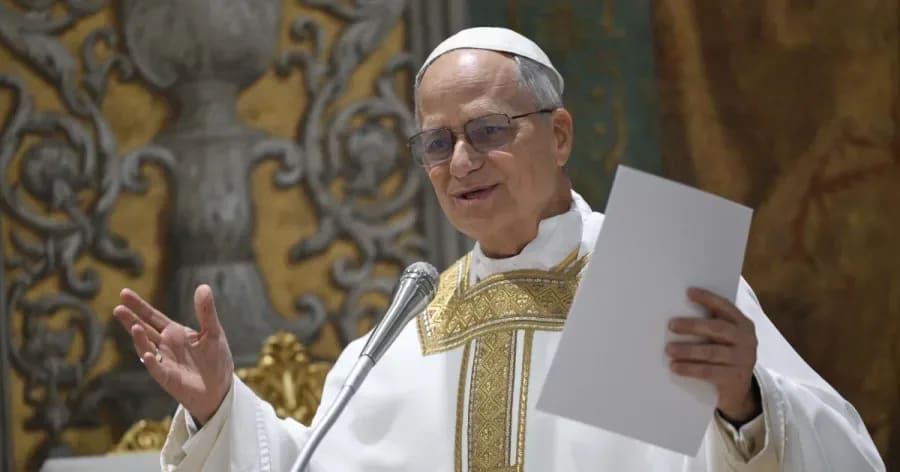
Pope Leo XIV raises concerns over Argentina’s austerity measures under Javier Milei, emphasizing economic justice, human dignity, and support .
Pope Leo XIV has drawn international attention after delivering a pointed message about Argentina’s austerity measures during his visit to Buenos Aires. Without directly naming President Javier Milei, the pontiff emphasized the importance of an economy that serves people rather than prioritizing financial objectives at the expense of human welfare. His remarks have renewed discussions about economic inequality, social responsibility, and the consequences of government spending cuts in Argentina.
During his address to Argentine political leaders and diplomats, Pope Leo stressed that economic development should benefit society as a whole, particularly people facing financial hardship. His comments were widely interpreted as an indirect criticism of Milei’s economic policies, which have focused on reducing government expenditure and restructuring public services. The speech received enthusiastic applause from sections of the audience, highlighting the political and social sensitivity surrounding the issue.
Pope Leo’s Criticism of Austerity and Economic Inequality
Argentina has been undergoing significant economic reforms under President Javier Milei, whose administration has pursued aggressive spending reductions to address inflation and financial instability. While the government has defended these measures as necessary for economic recovery, critics have raised concerns about their impact on vulnerable populations, including pensioners, unemployed individuals, and people with disabilities.
Pope Leo XIV highlighted the struggles of families who continue to experience difficulties meeting basic household needs despite working hard. He emphasized that economic policies should prioritize human dignity and provide opportunities for disadvantaged communities. His remarks reflected the Catholic Church’s longstanding commitment to social justice and the protection of people experiencing poverty.
The pontiff’s message also highlighted the broader debate over whether economic growth should be measured solely through financial indicators or by improvements in people’s living conditions. His comments have placed renewed attention on the social consequences of Argentina’s economic transformation.
Javier Milei’s Economic Reforms and Their Social Impact
President Javier Milei came to power promising to stabilize Argentina’s economy through substantial government spending cuts, deregulation, and structural reforms. His administration has argued that reducing public expenditure is essential to controlling inflation and restoring economic confidence.
However, these policies have generated considerable debate within Argentina. Reductions in public spending have affected several sectors, including healthcare, education, pensions, and disability assistance. Critics argue that vulnerable communities may face increased difficulties accessing essential services, while supporters maintain that economic reforms are necessary to address long-standing financial problems.
Pope Leo’s remarks have added a moral dimension to this debate by emphasizing the responsibility of governments to protect citizens who are most vulnerable to economic hardship. His message suggests that financial stability and social protection should not be treated as competing priorities but should be considered together when shaping public policy.
A Symbolic Visit to Argentina’s Vulnerable Communities
The pope’s visit to Argentina carries considerable symbolic importance, particularly because the country was the homeland of his predecessor, Pope Francis. Francis frequently emphasized the importance of supporting poor communities and addressing economic inequality, making social justice a central theme of his papacy.
Pope Leo’s visit to a residential institution for people with disabilities in Claypole further reinforced his message about protecting vulnerable communities. The facility has faced financial difficulties amid government spending reductions, making the visit especially significant in the context of Argentina’s ongoing economic debate.
By meeting residents and highlighting their needs, the pope drew attention to the importance of healthcare, disability assistance, and social support systems. The visit was widely interpreted as a reminder that economic reforms should consider their consequences for individuals who depend on public services and community assistance.
Pope Leo XIV and the Legacy of Pope Francis
Pope Leo’s remarks in Argentina have also revived discussions about the legacy of Pope Francis, who was known for his outspoken advocacy for the poor and marginalized. Francis frequently challenged economic systems that he believed prioritized wealth and financial power over human dignity.
Although Pope Leo has adopted a more measured diplomatic style, his emphasis on economic justice and social responsibility reflects significant continuity with his predecessor’s teachings. His visit to Argentina has therefore become an important moment for understanding how the Catholic Church intends to address economic inequality and political divisions under his leadership.
The connection between the two pontiffs is particularly meaningful in Argentina, where many people continue to associate Pope Francis with the country’s religious and cultural identity. Leo’s visit has offered an opportunity to revisit these themes while addressing the economic and political challenges facing contemporary Argentina.
Economic Recovery Versus Social Responsibility
Argentina’s austerity debate highlights a broader international question: how can governments pursue economic recovery while protecting vulnerable citizens? Policymakers often argue that spending reductions are necessary to restore fiscal stability, control inflation, and encourage investment. However, critics warn that excessive cuts to social services can deepen inequality and create additional hardships for families already struggling financially.
Pope Leo’s message emphasizes the importance of balancing economic reform with social responsibility. His comments encourage political leaders to consider how economic decisions affect employment, healthcare, pensions, and access to essential services.
The debate is relevant beyond Argentina, as governments around the world face similar challenges involving inflation, public debt, economic restructuring, and social welfare. The pope’s intervention underscores the continuing importance of ethical considerations in economic policymaking.
Political Reactions and Argentina’s Divided Society
Pope Leo’s visit has taken place against the backdrop of significant political divisions in Argentina. Supporters of Milei’s reforms view spending reductions as necessary to address the country’s long-standing economic difficulties, while opponents argue that the measures have placed disproportionate burdens on working families and disadvantaged communities.
The pope’s carefully worded remarks have attracted attention from both sides of the political debate. Although he did not directly condemn the president, his emphasis on economic inclusion and the protection of vulnerable people has been interpreted as a challenge to policies that prioritize austerity over social welfare.
Milei has responded by expressing support for dialogue and national unity while defending his government’s economic approach. The exchange illustrates the delicate relationship between religious leadership and political authority, particularly when social and economic policies become matters of public concern.
Conclusion: A Call for Human-Centered Economic Policies
Pope Leo XIV’s remarks during his Argentina visit have brought renewed attention to the relationship between economic reform, social justice, and human dignity. His indirect criticism of austerity measures under Javier Milei highlights the importance of ensuring that economic recovery benefits all sections of society, particularly those facing poverty and financial insecurity.
As Argentina continues to navigate economic challenges, the debate over government spending, social protection, and fiscal responsibility is likely to remain central to its political landscape. Pope Leo’s message serves as a reminder that economic progress should ultimately be measured not only by financial stability but also by the well-being of individuals and communities.
His visit has therefore become more than a religious event, reflecting broader questions about leadership, economic justice, and the responsibility of governments to protect their most vulnerable citizens.
Source : https://www.washingtonpost.com/worl
Follow : https://globalbizinsider.com/