Pope Leo XIV Returns to Peru as Evangelicals Challenge Catholic Influence
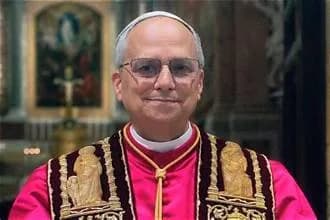
Pope Leo XIV returns to Peru as evangelical churches gain influence, highlighting changing religious preferences and challenges for Catholicism in Latin America
Pope Leo XIV's return to Peru marks an important moment for the Catholic Church as the country experiences significant changes in its religious landscape. Having spent nearly two decades in Peru as a missionary priest and bishop, Pope Leo shares a deep personal connection with the country. However, his return as the leader of the Catholic Church comes at a time when traditional Catholic influence is facing increasing competition from evangelical Christian movements. The growing popularity of evangelical churches reflects changing religious preferences, particularly among communities seeking a more personal, expressive and direct connection with faith.
Pope Leo XIV's Special Connection with Peru
Pope Leo XIV, formerly known as Robert Francis Prevost, has strong historical and personal ties to Peru. Before becoming pope, he served as a missionary and later as a bishop in the country, gaining considerable experience working with local communities. His years in Peru played an important role in shaping his understanding of pastoral responsibilities, social challenges and the importance of community engagement.
His return is therefore more than a diplomatic or religious visit. It represents a homecoming to a country that significantly influenced his religious journey. His presence also provides an opportunity to reconnect with Peruvian Catholics and address the challenges facing the Church in a rapidly changing society.
Growing Influence of Evangelical Churches in Peru
One of the major developments in Peru's religious environment is the growing visibility and influence of evangelical churches. Although Catholicism has historically been the dominant religion in the country, an increasing number of people are exploring alternative Christian communities. Evangelical congregations, particularly Pentecostal churches, have attracted followers through energetic worship services, personal testimonies, community involvement and strong interpersonal connections.
For many believers, these churches provide an environment where they can actively participate in religious activities and develop closer relationships with their faith communities. Their approach to worship often emphasizes personal spiritual experiences, emotional expression and direct engagement with religious teachings.
This growing appeal presents a challenge for the Catholic Church, which has traditionally enjoyed a strong institutional and cultural presence throughout Peru.
Why Are Peruvians Exploring Alternative Religious Communities?
The changing religious landscape in Peru is connected to several social and cultural factors. Younger generations, urban populations and working-class communities are increasingly looking for religious institutions that understand their everyday experiences and provide meaningful social connections.
Evangelical churches often focus on building close-knit communities, offering emotional support and encouraging active participation among members. Their ability to establish local congregations and maintain direct relationships with followers has contributed to their growing visibility.
At the same time, declining identification with Catholicism does not necessarily mean that people are abandoning religion altogether. Many individuals continue to believe in God and maintain spiritual practices while choosing to distance themselves from traditional religious institutions.
Challenges Facing the Catholic Church in Latin America
Peru's changing religious identity reflects a broader trend across Latin America. For generations, Catholicism has played a central role in shaping the region's cultural traditions, social institutions and public life. However, religious affiliation has gradually diversified, with evangelical Christianity and other forms of spirituality gaining attention.
Research by the Pew Research Center has documented declining Catholic identification across several major Latin American countries. These changes highlight the growing importance of religious choice and the need for traditional institutions to respond to evolving expectations.
For the Catholic Church, maintaining its influence requires more than preserving historical traditions. It must also address contemporary social concerns, strengthen relationships with younger generations and demonstrate its relevance in people's everyday lives.
Pope Leo XIV's Visit and the Future of Catholicism in Peru
Pope Leo XIV's visit provides an opportunity to reflect on the future of Catholicism in Peru. His personal experience in the country may help him communicate with local communities and better understand the challenges facing religious institutions.
Issues such as poverty, inequality, social insecurity and access to opportunities remain important concerns for many Peruvians. Religious organizations are often expected to provide not only spiritual guidance but also practical support, education and community assistance.
The pope's engagement with young people, Indigenous communities and ordinary citizens could help reinforce the Church's connection with different sections of society. However, rebuilding religious participation will require sustained efforts beyond large public gatherings and ceremonial events.
Religious Diversity and the Changing Identity of Peru
The growing presence of evangelical churches also reflects the increasing religious diversity of Peruvian society. Rather than viewing this development exclusively as competition, it highlights the importance of religious freedom, individual choice and peaceful coexistence among different faith communities.
Both Catholic and evangelical institutions continue to influence social and cultural life in Peru. Their contributions to education, community development and social support demonstrate the important role religious organizations can play in addressing wider societal challenges.
As religious preferences continue to evolve, Peru's future religious identity may become increasingly diverse. The ability of different institutions to respond to people's spiritual and social needs will influence their long-term relevance.
Conclusion
Pope Leo XIV's return to Peru comes at a significant moment for the Catholic Church. While the country has a long-standing Catholic heritage, the growing influence of evangelical churches demonstrates that religious affiliation and spiritual preferences are changing. The pope's personal connection with Peru offers an opportunity to reconnect with communities and address the challenges facing Catholicism in the region.
Ultimately, the future of Catholic influence in Peru will depend on the Church's ability to adapt to changing expectations, strengthen community relationships and remain connected to the everyday concerns of its people. His visit may generate renewed enthusiasm, but lasting religious engagement will require consistent action, meaningful leadership and a deeper understanding of Peru's evolving spiritual landscape.
Source: https://www.nytimes.com/2026/11/1
Follow: Global Biz Insider