Qatar's Iran Peace Proposal: Trump, Tehran and Latest War Updates
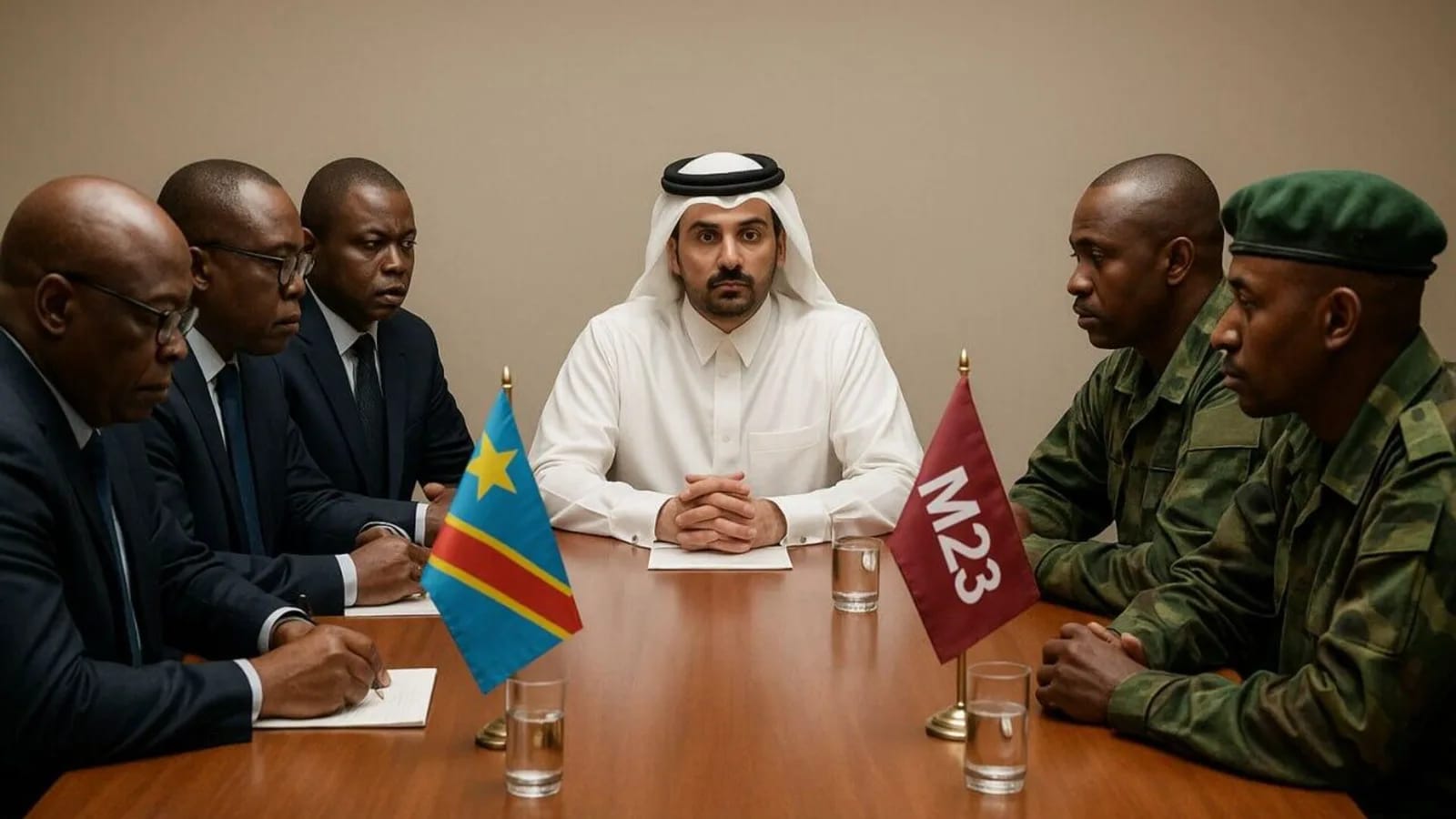
Qatar presents a new peace proposal to Iran amid rising US-Israel tensions. Explore Trump's position, Iran's response and global oil market concerns.
Qatar has stepped up diplomatic efforts to end the ongoing Iran war by presenting a new draft peace proposal to Tehran, according to reports published on October 28, 2026. The initiative comes amid rising tensions between Iran, the United States and Israel, with concerns growing over the possibility of renewed military strikes and further disruption to the Middle East. According to Reuters, citing an official familiar with the negotiations, the proposal was delivered by Qatari mediators on Sunday, and Iran was expected to respond by the end of the week. However, a senior Iranian official subsequently disputed the characterization of the proposal, describing the ideas presented as unacceptable. The differing accounts highlight the challenges facing diplomatic efforts to bring the conflict to an end.
Qatar's New Peace Plan Aims to End the Iran War
The latest Qatar-led diplomatic initiative reportedly outlines a seven-day timeline during which Iran and the United States would take confidence-building measures to address each side's concerns. The proposed framework could begin early next week, with several countries potentially serving as guarantors to support its implementation. Although the full terms of the draft agreement have not been publicly confirmed, the initiative represents another attempt to establish a pathway toward de-escalation after previous negotiations failed to produce a lasting settlement.
Qatar has played an important role in regional diplomacy, working alongside Pakistan to facilitate communication between the parties. The involvement of regional mediators reflects growing concern about the wider consequences of the conflict, including threats to energy supplies, international shipping and regional security. Nevertheless, the latest reports suggest that substantial disagreements remain, and the proposal's future will depend on whether the parties can agree on practical steps toward ending hostilities.
Donald Trump Maintains Pressure on Iran
US President Donald Trump has continued to maintain a firm position toward Tehran, leaving the possibility of further military action open while diplomatic discussions continue. His administration has emphasized concerns surrounding Iran's nuclear program and regional security, while Iran has maintained its own conditions for any potential settlement. These competing priorities have made negotiations particularly difficult, with both sides facing pressure over the terms and timing of a possible agreement.
Washington wants Iran's nuclear program to be addressed as part of negotiations, while Tehran has called for measures addressing US restrictions, including the blockade of Iranian ports and sanctions affecting its oil exports. The disagreement over which side should act first remains a central obstacle. Without a mutually acceptable framework, diplomatic engagement may struggle to deliver a comprehensive ceasefire or a lasting end to the conflict.
Iran Disputes the Latest Diplomatic Proposal
Although an official briefed on the negotiations said Qatar had presented a new draft agreement, a senior Iranian official later challenged that description, saying the ideas put forward were unacceptable and did not amount to a formal offer. The Iranian position underscores the uncertainty surrounding the latest peace initiative and indicates that a breakthrough should not be assumed.
Iran's position on its nuclear program is another major point of contention. Tehran has rejected the conditions it considers unacceptable, while the United States continues to press for nuclear-related commitments. These differences demonstrate why mediation efforts require more than an initial diplomatic proposal. Negotiators must establish clear terms, agree on the sequence of actions and develop mechanisms to ensure that commitments are followed by all parties.
Strait of Hormuz and Global Oil Markets Remain at Risk
The Iran war has created significant concerns for international energy markets, particularly because of disruptions affecting shipping and oil supplies across the Middle East. The Strait of Hormuz is a strategically important maritime passage through which substantial volumes of the world's oil and other energy supplies normally travel. Any prolonged disruption to this route can affect shipping costs, fuel prices and global economic stability.
The latest diplomatic initiative is therefore important beyond the immediate political relationship between Iran and the United States. A successful agreement could help reduce uncertainty in energy markets and improve the security of international shipping. However, if negotiations fail and military confrontation intensifies, the risk of further supply disruptions and higher oil prices could increase. Businesses, governments and consumers around the world are likely to monitor developments closely.
Regional Security Concerns Complicate Peace Efforts
The conflict has also expanded regional security concerns beyond the immediate confrontation involving Iran, the United States and Israel. Recent hostilities involving Iran-aligned Houthi forces and growing tensions affecting Saudi Arabia have increased fears of a wider regional crisis. The security of important maritime routes, energy infrastructure and neighboring countries remains a major concern for governments across the Middle East.
Qatar and Pakistan have continued their mediation efforts as regional powers seek to prevent further escalation. Diplomatic engagement could provide an opportunity to reduce tensions, but a sustainable settlement would require the parties to address the broader security issues connected to the conflict. Any agreement would also need credible assurances that the commitments made during negotiations would be implemented.
Can the New Proposal Bring the Iran War to an End?
The latest peace proposal represents a renewed diplomatic effort, but its success remains uncertain. The reported seven-day framework could provide a structured opportunity for confidence-building measures if the parties agree on its terms. International guarantors could also help support implementation and provide assurances to the countries involved. However, disagreements over sanctions, the US blockade, Iran's nuclear program and regional security remain significant barriers to a lasting settlement.
For now, the immediate focus is on Iran's response and whether further discussions can produce a mutually acceptable agreement. The coming days could help clarify whether the latest mediation effort has the potential to restart meaningful negotiations or whether the parties remain too far apart to reach a compromise. Until concrete commitments are announced and implemented, the possibility of renewed hostilities will continue to shape the regional outlook.
Conclusion
Qatar's latest diplomatic initiative highlights the continuing international effort to end the Iran war and prevent a broader Middle East crisis. While the reported peace proposal offers a possible framework for confidence-building and negotiations, Iran's objections and Washington's demands show that major differences remain unresolved. The outcome could have important implications for regional stability, global oil prices, maritime security and international diplomacy. As negotiations continue, the key question is whether the parties can move beyond competing demands and agree on practical steps toward a lasting peace.
Source : https://www.cbsnews.com/live-updates/iran-war
Follow : Global Biz Frontier