Russia Attacks Ukraine Power Grid Ahead of Abu Dhabi Peace Talks
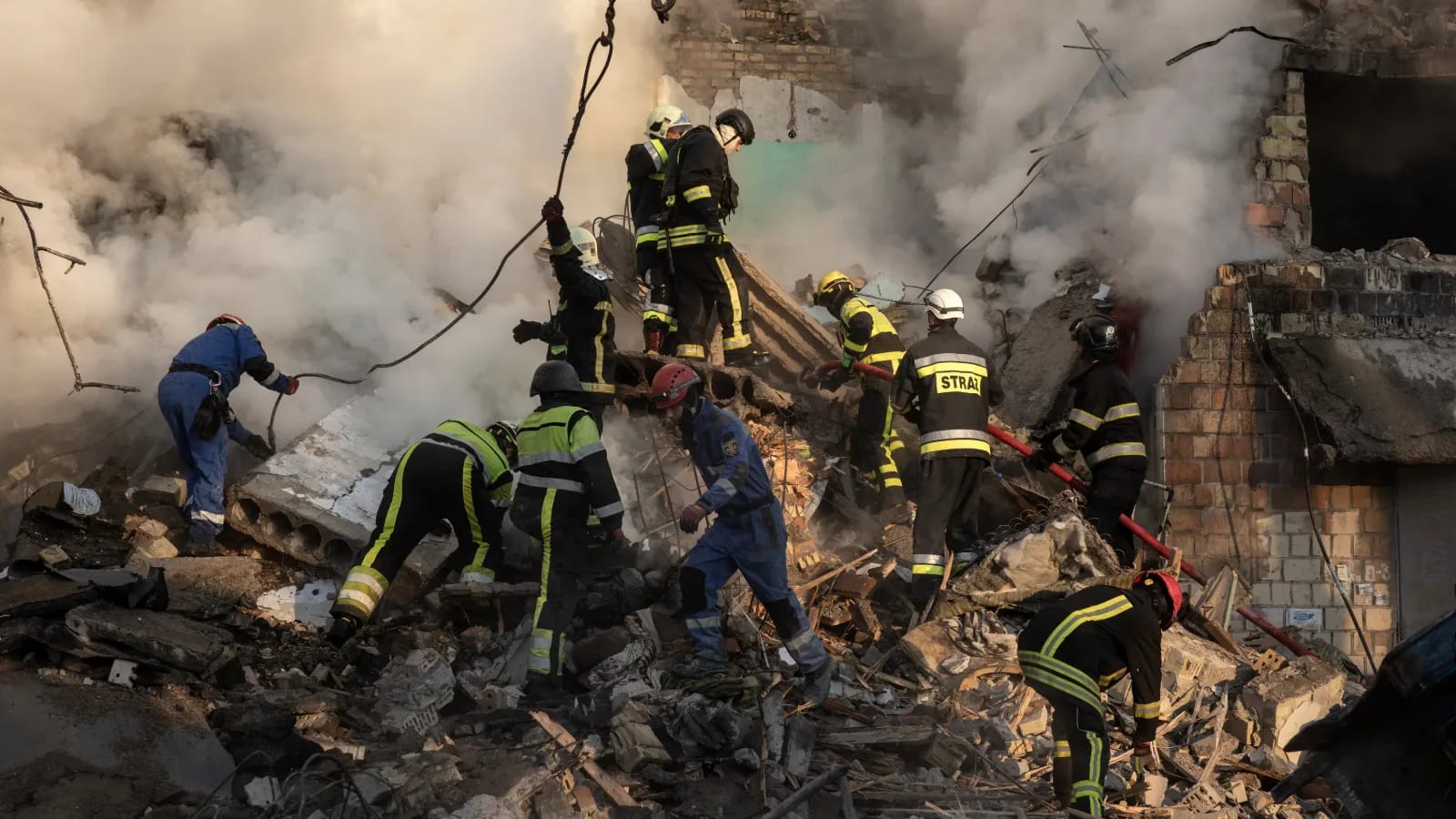
Russia bombards Ukraine’s power grid ahead of Abu Dhabi peace talks as Germany’s Friedrich Merz urges Moscow to negotiate a ceasefire.
Russia launched a major attack on Ukraine’s energy infrastructure on November 3, 2026, raising fresh concerns about the prospects for peace ahead of upcoming US-brokered negotiations in Abu Dhabi. The bombardment caused widespread power outages and disrupted essential services across several Ukrainian regions. German Chancellor Friedrich Merz urged Moscow to demonstrate a genuine commitment to ceasefire negotiations, emphasizing that diplomatic efforts must lead to meaningful progress toward ending the ongoing war. The developments have intensified international concerns about Ukraine’s energy security and the future of European stability.
Russian Attacks on Ukraine’s Energy Infrastructure
According to Ukrainian President Volodymyr Zelenskyy, Russia launched hundreds of drones and numerous missiles targeting power plants and substations across Ukraine. The attacks reportedly disrupted electricity supplies in Kyiv and several other regions, affecting heating, water supplies, and transportation services. Ukraine’s largest private energy company, DTEK, reported that three of its five thermal power plants had been knocked offline following the strikes. The widespread damage has raised concerns about the country's ability to maintain essential energy services as temperatures begin to fall.
Ukraine has repeatedly faced attacks on its energy infrastructure throughout the war, with previous strikes causing prolonged electricity and heating disruptions during winter. The latest bombardment has increased fears that millions of residents could face difficult conditions in the coming months. Ukrainian authorities have called for additional international assistance, particularly air defence systems, to protect critical infrastructure and prevent further damage.
Friedrich Merz Urges Russia to Engage in Serious Peace Negotiations
German Chancellor Friedrich Merz met Ukrainian President Volodymyr Zelenskyy in Berlin and called on Russia to demonstrate genuine commitment to a ceasefire and a lasting peace agreement. Merz described the upcoming negotiations as an important opportunity to reduce hostilities but stressed that diplomatic discussions must produce tangible results. He also reiterated that European countries should be involved in decisions concerning Ukraine’s future and regional security.
Germany remains one of Ukraine’s major supporters, providing military assistance and backing efforts to strengthen the country’s defence capabilities. Merz emphasized that European participation is essential to establishing a sustainable peace agreement and ensuring long-term stability across the continent. His comments reflect growing European concerns about being excluded from negotiations that could significantly influence the future security architecture of Europe.
Abu Dhabi Peace Talks Raise Hopes for a Ceasefire
The United States is preparing to host negotiations involving Russia and Ukraine in Abu Dhabi on November 10 and 11, 2026. The planned discussions are expected to address several important issues, including security guarantees for Ukraine, an energy ceasefire, humanitarian concerns, and a possible truce in the Black Sea to protect food exports. The meeting represents a significant diplomatic opportunity as international efforts to end the war continue.
However, expectations remain cautious because Russia and Ukraine continue to hold differing positions on key aspects of a potential peace agreement. The latest attacks on Ukrainian energy infrastructure have further complicated the diplomatic environment, raising questions about Moscow’s willingness to pursue meaningful negotiations. European leaders have stressed that any lasting settlement must involve Ukraine directly and address the country’s security concerns.
International Concerns Over Ukraine’s Winter Energy Crisis
The latest Russian bombardment has renewed concerns about Ukraine’s energy security ahead of winter. Damage to power plants, substations, and heating infrastructure could create significant challenges for civilians, particularly in regions already affected by prolonged electricity shortages. Ukrainian residents have begun preparing for possible disruptions by securing essential supplies and making arrangements to cope with colder temperatures.
International support will remain crucial in helping Ukraine restore damaged infrastructure and maintain essential services. The situation also highlights the broader humanitarian consequences of attacks on civilian energy systems during wartime. As diplomatic discussions approach, protecting critical infrastructure and preventing further civilian suffering are expected to remain important priorities for Ukraine and its international partners.
Conclusion
Russia’s latest attacks on Ukraine’s power grid have intensified pressure on international leaders to pursue a diplomatic solution to the ongoing conflict. With Abu Dhabi peace talks approaching, German Chancellor Friedrich Merz has urged Moscow to demonstrate a serious commitment to ceasefire negotiations. Although the upcoming discussions offer an opportunity for progress, major disagreements remain unresolved. The outcome of these negotiations could play an important role in shaping Ukraine’s security, European stability, and the prospects for ending the war.
Source : https://www.reuters.com/world/europe/r
Follow : Global Biz Insider