Russia Strikes Kyiv Bridges After Ukraine Attacks Crimea Bridge
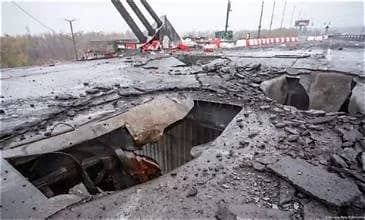
Russia launches a major missile and drone offensive against Kyiv, damaging three bridges after Ukrainian attacks on the Crimean Bridge, escalating tensions.
The Russia-Ukraine war continues to escalate as Russian forces launch fresh attacks on Kyiv and other strategic locations across Ukraine. The latest developments highlight the growing military pressure on Ukraine, particularly as infrastructure, including bridges and key transportation routes, remains central to the conflict. The attacks also come amid wider geopolitical discussions involving Russian President Vladimir Putin, Ukrainian President Volodymyr Zelenskyy, and US President Donald Trump, raising further questions about the future of the war and the possibility of diplomatic negotiations.
The ongoing conflict has increasingly focused on strategic infrastructure and territorial control. Bridges connecting important regions play a critical role in military logistics, civilian transportation, and the movement of essential supplies. Any attack targeting such infrastructure can create significant challenges for Ukraine, affecting both its military operations and the daily lives of ordinary citizens.
Russian Attacks Target Three Major Bridges in Kyiv
One of the most significant developments in the latest Russian offensive was the damage caused to three major bridges in Kyiv: the Podilsko-Voskresenskyi Bridge, Darnytskyi Bridge, and Pivdennyi (Southern) Bridge. These structures connect the eastern and western banks of the Dnipro River and are essential for transportation across the Ukrainian capital.
According to Ukrainian officials, the attacks damaged important road connections and forced authorities to introduce traffic restrictions. Kyiv Mayor Vitali Klitschko urged residents to avoid unnecessary travel by private vehicles and encouraged businesses to consider remote working arrangements. The damage has created additional difficulties for commuters, emergency services, and the transportation of essential supplies.
The attacks are particularly concerning because Kyiv is home to millions of people who depend on these bridges for their daily activities. Disruptions to major transport routes can affect economic activity, emergency response operations, and access to important public services.
Putin Promises Retaliation Following Attacks on the Crimean Bridge
The latest Russian strikes followed Ukrainian attacks on the Kerch Bridge, also known as the Crimean Bridge, which connects Russia's mainland with the Crimean Peninsula. The bridge has significant strategic and political importance for Moscow because it provides a major transportation route to Crimea, a territory Russia annexed in 2014.
Ukrainian forces reportedly targeted the bridge multiple times during the week, damaging sections of its road and railway infrastructure. Following these attacks, Russian President Vladimir Putin warned that Moscow would respond with a much stronger retaliation.
Putin made the remarks while attending high-level diplomatic discussions in Shenzhen, China. He described Russia's planned response as potentially more painful than the damage caused to the Crimean Bridge. The subsequent attacks on Kyiv's infrastructure have intensified concerns about further escalation between the two countries.
The Crimean Bridge has become one of the most recognisable symbols of Russia's control over the peninsula. For Ukraine, targeting this infrastructure is also connected to its broader military strategy of disrupting Russian supply routes and challenging Moscow's ability to maintain its presence in occupied territories.
More Than 400 Drones and Over 110 Missiles Reportedly Used
Ukrainian President Volodymyr Zelenskyy said Russia launched more than 400 drones and over 110 missiles during the latest large-scale offensive. According to Ukrainian officials, the attacks targeted energy facilities, transportation networks, railway infrastructure, and other important locations across the country.
The strikes resulted in casualties and damage to civilian infrastructure. Ukrainian authorities reported six deaths in Kyiv and two additional deaths in Lviv, bringing the reported death toll to at least eight. Several other people were injured in different parts of the country.
The attacks also affected electricity supplies and water infrastructure. Damage to energy facilities caused power disruptions in Kyiv and several other regions, adding pressure on communities as Ukraine approaches the winter season.
Russia stated that its military operation targeted facilities connected to Ukraine's military-industrial capabilities and transportation infrastructure. However, the competing explanations for the attacks and their military objectives remain disputed.
The scale of the offensive demonstrates how aerial warfare has become a central part of the Russia-Ukraine conflict. Missiles and drones are increasingly being used to target infrastructure far beyond the immediate battlefield, creating serious challenges for Ukraine's air defence systems.
Trump, Putin and Xi Jinping's APEC Meeting Raises Diplomatic Questions
The latest military escalation comes at an important moment in international diplomacy. US President Donald Trump, Russian President Vladimir Putin, and Chinese President Xi Jinping recently participated in high-level discussions in Shenzhen, China, during the Asia-Pacific Economic Cooperation (APEC) summit.
The meeting attracted international attention because of its potential implications for global security, international relations, and the future of the Ukraine war. Trump's involvement has renewed expectations that Washington could play an important role in encouraging negotiations between Moscow and Kyiv.
However, the latest Russian attacks highlight the difficulties of achieving a diplomatic breakthrough while military operations continue. Despite international discussions, Russia and Ukraine remain deeply divided over territorial control, security guarantees, and the conditions required for a lasting ceasefire.
The relationship between the United States, Russia, and China is also an important factor in shaping the international response. Decisions made by these major powers could influence future diplomatic negotiations, military assistance, economic sanctions, and the broader security situation in Europe.
Zelenskyy Faces Growing Challenges in Defending Ukraine
For Ukrainian President Volodymyr Zelenskyy, the latest attacks represent another major challenge in defending the country's territory and critical infrastructure. Ukraine continues to depend on international military assistance, particularly advanced air defence systems capable of intercepting ballistic missiles and other aerial threats.
Zelenskyy has repeatedly called on Western partners to provide additional military equipment and strengthen Ukraine's defensive capabilities. The shortage of certain air defence interceptors has become a major concern as Russia increases the intensity of its missile and drone attacks.
At the same time, Ukraine continues to target Russian military and logistical infrastructure. Its operations against the Crimean Bridge demonstrate Kyiv's determination to disrupt supply routes and challenge Russia's military presence in occupied territories.
The situation reflects a wider pattern of retaliation, with both countries increasingly targeting infrastructure that supports military operations and national logistics. However, these attacks also create risks for civilian populations and essential public services.
Impact on Civilians and Ukraine's Critical Infrastructure
Beyond the military consequences, the latest Russian offensive has raised serious humanitarian concerns. Damage to bridges, electricity facilities, railway networks, and water infrastructure can disrupt essential services for millions of people.
Kyiv residents have faced transportation restrictions, power interruptions, and renewed air raid warnings. Emergency workers have also had to respond to fires and damaged buildings while the possibility of additional attacks remains a concern.
The situation is particularly difficult as winter approaches. Reliable electricity, heating, clean water, and transportation are essential for protecting vulnerable communities during colder months. Repeated attacks on these systems could increase humanitarian pressure and create additional challenges for local authorities.
International organisations and humanitarian agencies continue to face the difficult task of supporting affected communities while monitoring the broader security situation.
What the Latest Escalation Means for the Future of the Russia-Ukraine War
The latest strikes on Kyiv demonstrate that the Russia-Ukraine war remains far from a peaceful resolution. Attacks on the Crimean Bridge, followed by Russian retaliation against Ukrainian infrastructure, underline the continuing importance of strategic transportation routes in the conflict.
Although international diplomatic efforts involving Donald Trump, Vladimir Putin, and other global leaders may create opportunities for negotiations, major disagreements remain unresolved. Questions surrounding Crimea, occupied Ukrainian territories, security guarantees, and military withdrawals continue to complicate peace efforts.
For Ukraine, protecting major cities and maintaining essential infrastructure will remain critical priorities. For Russia, its continued military campaign demonstrates that Moscow is prepared to maintain pressure on Ukraine through large-scale attacks.
The coming weeks could prove important in determining whether diplomatic discussions gain momentum or whether the conflict enters another phase of intensified military operations. Until meaningful progress is achieved, civilians and critical infrastructure across Ukraine are likely to remain exposed to the consequences of the ongoing war.
Conclusion
Russia's latest missile and drone offensive against Kyiv marks another dangerous escalation in the ongoing Russia-Ukraine war. The damage to three major bridges, combined with attacks on energy and transportation infrastructure, highlights the growing importance of logistical targets in the conflict. The strikes followed Ukraine's attacks on the strategically important Crimean Bridge and Putin's promise of retaliation, creating further uncertainty about the possibility of de-escalation.
As Donald Trump, Vladimir Putin, and other international leaders remain involved in discussions concerning global security, the future of Ukraine continues to be a major international concern. Whether diplomatic efforts can prevent further escalation remains uncertain, but protecting civilians, restoring essential infrastructure, and finding a sustainable path towards peace will remain critical challenges.
Source: https://www.nbcnews.com/world/
Follow: https://globalbizinsider.com/