Russian Sabotage Attacks in Europe Rise 16%: IISS Report 2026
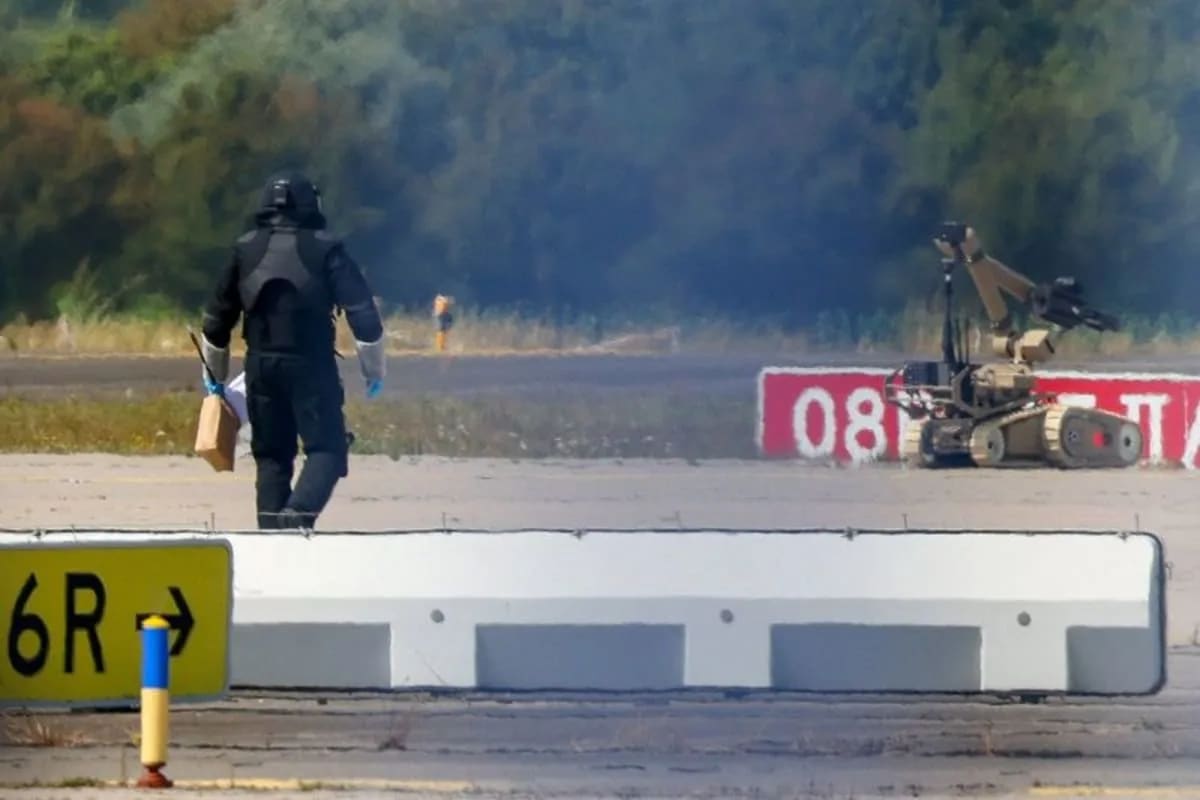
Russian sabotage attacks in Europe increased by 16% in 2026, raising concerns over critical infrastructure, NATO security and European support for Ukraine.
Introduction
Europe is facing growing security challenges as suspected Russian sabotage activities continue to increase across the continent. According to a recent report by the International Institute for Strategic Studies (IISS), Russian sabotage incidents in Europe increased by 16% in the 12 months leading up to September 2026. The findings highlight an evolving security threat involving attacks on critical infrastructure, transportation networks, defence industries and other strategically important facilities. As European countries continue supporting Ukraine in its ongoing war with Russia, concerns are growing about the potential consequences of these activities for regional stability and international security.
Russian Sabotage Activities in Europe Are Becoming More Sophisticated
The latest IISS report suggests that Russian sabotage operations are becoming increasingly sophisticated, with some operatives using more advanced methods than previously observed. Although many operations are still reportedly carried out by inexperienced recruits, a growing group of semi-skilled individuals is using more complex techniques, including improvised explosive devices equipped with timed or remote detonators.
The report also highlights a significant increase in the use of arson and explosives. These developments suggest that sabotage activities are evolving beyond relatively simple acts of disruption and may pose a greater threat to public safety and essential infrastructure. European intelligence and security agencies are therefore facing increasing pressure to identify potential threats and prevent attacks before they cause significant damage.
Germany and Poland Remain Major Targets
Germany and Poland are expected to remain among the primary targets of suspected Russian sabotage operations in Europe. Both countries play an important role in supporting Ukraine through their transportation, logistics and industrial networks.
Germany has been particularly important in European defence production and military assistance, while Poland serves as a major transportation and logistical route for supplies reaching Ukraine. Disrupting these networks could create difficulties for military deliveries and weaken the efficiency of European support systems.
According to the IISS findings, more than half of recorded incidents between October 2025 and September 2026 targeted critical infrastructure, particularly military-industrial and transportation facilities. This demonstrates how infrastructure security has become an important part of the wider geopolitical competition between Russia and Western countries.
Leipzig Airport Incident Raises Security Concerns
One of the incidents highlighted in the Reuters report occurred at Leipzig/Halle Airport in Germany in August 2026. An explosives-laden drone was discovered near a Ukrainian Antonov cargo aircraft used for military supplies. Investigators also suspected that another drone may have collided with a DHL cargo aircraft shortly after airport operations were suspended.
The incident raised concerns about the vulnerability of European airports and transportation hubs to potential sabotage activities. Airports are essential to international trade, commercial transportation and military logistics. Any disruption to these facilities can create wider consequences for supply chains and national security.
The incident also demonstrates why European governments are increasingly focusing on drone detection, surveillance and the protection of strategically important transportation infrastructure.
Why Is Russia Accused of Targeting European Infrastructure?
Western governments and intelligence agencies have accused Moscow of conducting a broader campaign of sabotage, cyberattacks and intimidation across Europe. These activities are believed to be aimed at increasing the economic and political costs of supporting Ukraine.
By targeting transportation networks, defence manufacturers and energy infrastructure, suspected sabotage operations could disrupt military supplies, increase security expenses and create uncertainty among European governments and businesses.
However, Russia has repeatedly rejected accusations that it is organising a Europe-wide sabotage campaign. These allegations remain part of the wider geopolitical tensions between Moscow and Western governments.
Europe's Response to the Growing Sabotage Threat
European countries have increased their efforts to strengthen national security and protect critical infrastructure. Measures include improved intelligence cooperation, surveillance, investigations, arrests of suspected operatives and the introduction of stronger security regulations.
The IISS report also highlights the importance of cooperation between European governments. Since transportation and industrial networks operate across national borders, individual countries cannot effectively address every threat independently.
European governments must therefore improve intelligence sharing, coordinate investigations and strengthen the security of infrastructure that supports military and commercial transportation.
Despite these efforts, the report suggests that arrests of suspected intermediaries may not be enough to deter the intelligence services believed to be directing these operations. This creates a significant challenge for European policymakers seeking to establish an effective long-term deterrence strategy.
Impact on European Security and NATO
The increase in sabotage incidents has important implications for European security and NATO's preparedness. Attacks on transportation networks, defence industries and energy facilities can affect not only individual countries but also the wider European security framework.
NATO has expanded surveillance activities in the Baltic Sea and eastern European airspace, while the European Union has introduced initiatives to strengthen its overall preparedness. European defence spending has also increased, reflecting growing concerns about the changing security environment.
Although the reported sabotage campaign has not achieved its broader strategic objective of reducing European support for Ukraine, the possibility of more serious incidents remains a concern. An attack resulting in significant casualties or prolonged infrastructure disruption could increase political pressure and create disagreements over how European countries should respond.
What Does the Future Hold for European Security?
The IISS report outlines several possible scenarios for how Russia's unconventional campaign against Europe could develop through 2029. These include continued low-level sabotage, increased pressure on military logistics networks and potential threats to northern maritime infrastructure.
The future of European security will depend heavily on how effectively governments respond to these challenges. Stronger intelligence cooperation, improved infrastructure protection and coordinated security policies will be essential to reducing vulnerabilities.
European countries must also find ways to prevent sabotage operations without allowing escalating tensions to develop into a wider military confrontation. Maintaining support for Ukraine while protecting domestic infrastructure will remain a major strategic challenge.
Conclusion
The reported 16% increase in Russian sabotage incidents across Europe highlights the growing importance of infrastructure protection and intelligence cooperation in modern international security. With Germany and Poland remaining particularly vulnerable because of their strategic importance to Ukraine, European governments face increasing pressure to strengthen transportation networks, defence industries and other critical facilities.
Although European security agencies have made progress in disrupting suspected operations, the growing sophistication of some sabotage activities demonstrates that existing measures may not be sufficient. A coordinated European response, stronger intelligence capabilities and long-term security planning will be essential to protecting regional stability.
As the Russia-Ukraine conflict continues to influence international relations, the threat of hybrid warfare and infrastructure sabotage is likely to remain a major concern for European policymakers.
Source: https://www.reuters.c
Follow: https://globalbizinsider.com/