Spain Train Crash: Deadly Toledo Collision Raises Rail Safety Concerns
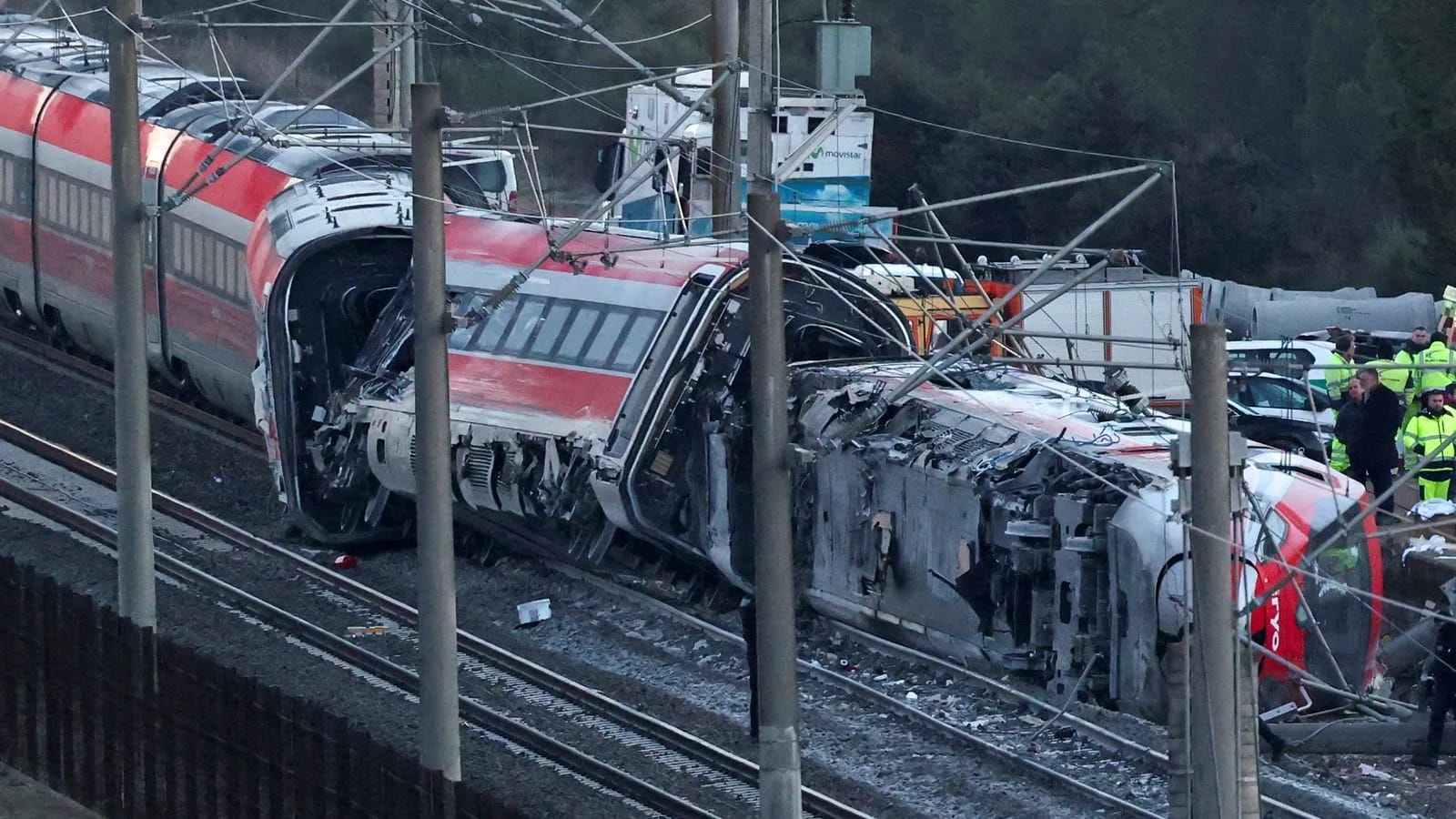
A deadly Spain train crash in Toledo involving Renfe and Iryo has left dozens dead and many injured, prompting rescue operations and a railway safety
A deadly high-speed train collision in Spain’s Toledo province on October 28, 2026, has triggered a major emergency response and renewed concerns about railway safety. Two trains operated by Spain’s Renfe and private rail company Iryo collided along the route connecting Madrid with Seville, leaving dozens of people dead and many others injured. Authorities have warned that the death toll could rise as rescue teams continue searching the wreckage and assessing the full scale of the disaster.
Spain Train Crash: What Happened in Toledo?
The accident occurred in central Spain, near the towns of Mora, Orgaz and Urda in Toledo province. Initial reports indicated that a Renfe-operated AVE high-speed train struck an Iryo train that was stationary or moving slowly on the railway line. The collision caused severe damage to several carriages, with some vehicles derailing and others left tilted or scattered near the tracks.
Emergency services quickly mobilised firefighters, ambulances, police personnel and helicopters to assist passengers and transport injured victims to medical facilities. Rescue workers have been searching damaged carriages while authorities coordinate evacuation efforts and provide assistance to survivors. The scale of the destruction has made rescue operations challenging, and officials continue to gather information about the circumstances surrounding the collision.
Death Toll and Emergency Rescue Operations
The number of fatalities increased as authorities received updated information from the crash site. Reports published on October 28 indicated that at least 64 people had died, with the regional government warning that the figure could rise further. The number of injured passengers has also prompted an extensive medical response across the affected region.
Local authorities and emergency organisations have been working to identify victims, support injured passengers and help families searching for missing relatives. Blood donation appeals have also been issued as medical teams respond to the growing need for assistance. The disaster has left communities across Spain mourning the victims while rescue workers continue their efforts to account for everyone affected.
Madrid–Seville High-Speed Rail Services Suspended
The collision forced the suspension of high-speed railway services along the corridor connecting Madrid with Andalusia, including Seville. The route is an important transport link for passengers travelling between Spain’s capital and its southern regions. The disruption is expected to affect travel plans, with passengers potentially facing cancellations, delays and alternative transport arrangements.
Railway authorities are expected to assess the damaged infrastructure and determine when services can safely resume. Passengers planning to travel on the affected route should check official railway announcements for updated schedules, cancellations and refund or rebooking information.
Investigation Into the Cause of the Train Collision
Investigators are examining the events that led to the crash, including train movements, signalling information and railway safety procedures. Early reports have raised questions about a possible signalling or security-system failure, but the investigation must establish the precise sequence of events before responsibility can be determined.
Spain’s railway infrastructure manager, ADIF, and the train operators are central to understanding the circumstances surrounding the accident. Investigators will need to examine operational records, signalling systems, communication between railway control centres and the technical condition of the trains and tracks. Determining whether equipment failure, human factors or other circumstances contributed to the collision will be essential to preventing similar disasters.
Railway Safety Concerns Grow After Another Major Accident
The Toledo train crash has intensified scrutiny of railway safety in Spain, particularly because the country has experienced another deadly high-speed rail accident earlier in 2026. Repeated major incidents raise important questions about railway maintenance, signalling reliability, operational procedures and the effectiveness of existing safety measures.
Spain operates an extensive high-speed rail network that connects major cities and supports domestic tourism, business travel and regional mobility. Maintaining such a large system requires continuous investment in infrastructure, modern safety technology and regular inspections. Even as rail networks expand, ensuring that existing tracks, signalling equipment and control systems remain reliable is essential for passenger protection.
The Importance of Railway Infrastructure and Safety Systems
Modern high-speed railways depend on coordinated systems that monitor train locations, regulate speed and communicate instructions between drivers and central control centres. Signalling failures or communication problems can create serious risks if operational safeguards do not function as intended. Railway operators must therefore ensure that backup systems, emergency protocols and maintenance procedures are effective under different operating conditions.
A thorough investigation into the Toledo collision could help identify weaknesses in existing procedures and determine whether additional safeguards are required. Transparent findings, appropriate accountability and timely implementation of safety recommendations will be important in rebuilding public confidence in rail travel.
Spain Responds to the Tragedy
The accident has prompted expressions of concern and solidarity from Spanish leaders, while emergency personnel continue to assist those affected. Families of victims are awaiting reliable information, and local communities are supporting rescue and relief efforts. The priority remains providing medical care, identifying victims, supporting survivors and determining the cause of the collision.
As the investigation progresses, authorities are expected to release further information about the victims, the technical circumstances of the crash and the future of railway operations on the affected route. The findings may also influence discussions about rail safety investment and oversight across Spain.
Conclusion
The deadly Spain train crash in Toledo on October 28, 2026, has become a major national tragedy, with a rising death toll, extensive rescue operations and significant disruption to high-speed rail services. While investigators work to establish what caused the collision, the disaster has highlighted the importance of reliable signalling systems, effective railway management and sustained investment in infrastructure maintenance.
The coming days will be critical as authorities identify victims, support survivors and determine how the accident occurred. The investigation’s findings will be closely watched, particularly for lessons that could strengthen railway safety and help prevent similar tragedies in the future.
Source : https://edition.cnn.com/2026/10/28/world
Follow : Global Biz inisder