Tanker Attacks in Strait of Hormuz Raise Global Energy Security Fears
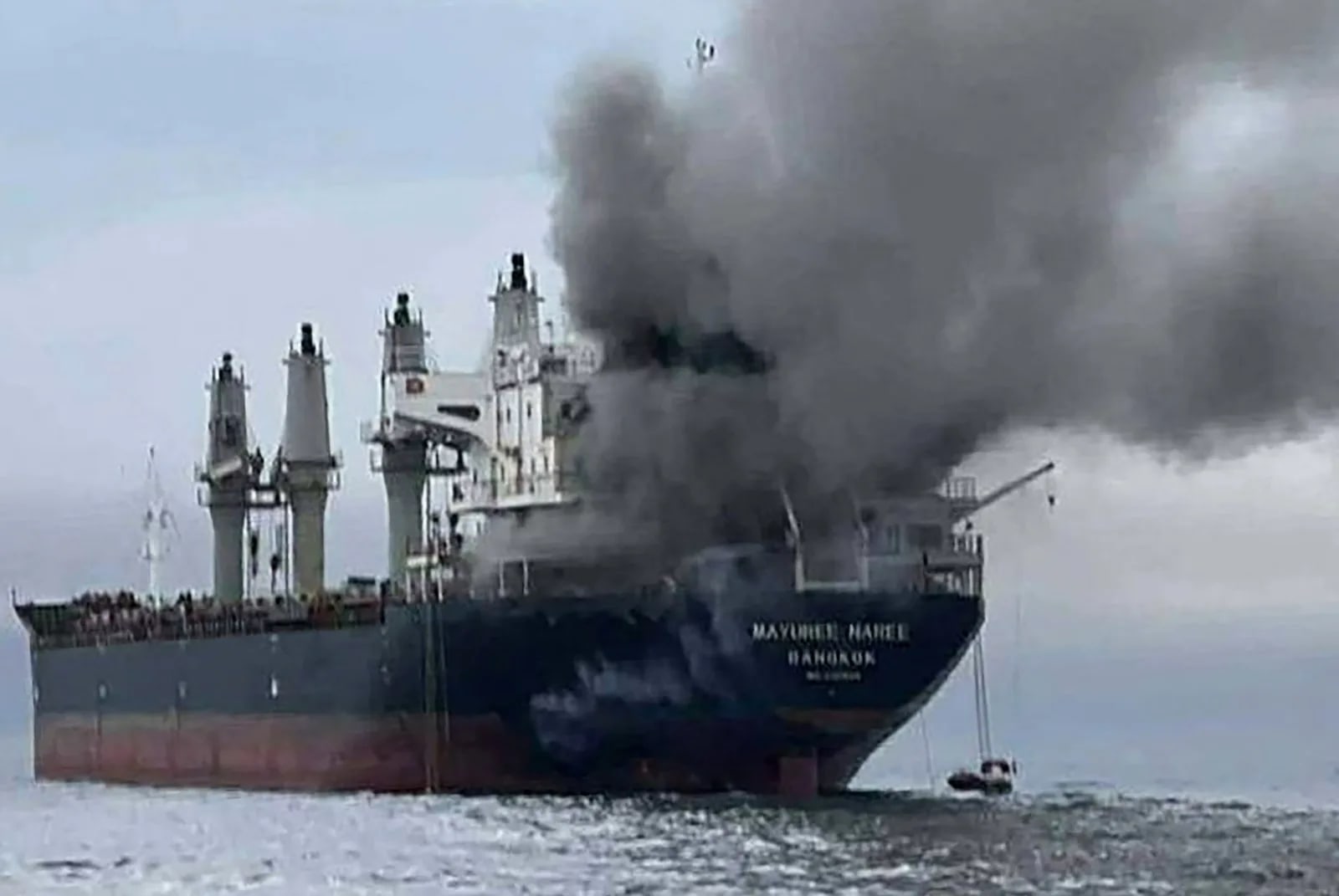
Tanker attacks in the Strait of Hormuz and a drone alert at Iraq's Khor Mor gas field raise concerns over Middle East security and global oil supplies.
The renewed attacks on oil tankers in the Strait of Hormuz and a drone-related security alert at Iraq's Khor Mor gas field have intensified concerns over energy security and regional stability in the Middle East. The incidents come amid continuing tensions between the United States and Iran, raising fresh questions about the safety of international shipping routes and critical energy infrastructure.
Tanker Attacks Raise Maritime Security Concerns in the Strait of Hormuz
The Strait of Hormuz has once again become a major security concern following reports of attacks on commercial oil tankers. Iran's Islamic Revolutionary Guard Corps (IRGC) Navy claimed that two oil tankers struck naval mines and caught fire while attempting to navigate a route considered unauthorised by Tehran. Iran's regular navy also reported another tanker becoming immobilised after hitting a mine in restricted waters east of the strait. However, these claims have not been independently verified, and the vessels involved have not been publicly identified.
Separately, the United Kingdom Maritime Trade Operations (UKMTO) agency reported two tanker attacks in the region. One vessel was reportedly disabled following an attack near Khasab, Oman, resulting in an engine-room fire. Another tanker was struck by an unidentified projectile while travelling out of the strait, also causing damage to its engine room. No casualties were reported in the incidents described by the maritime monitoring agency.
Strait of Hormuz: A Critical Route for Global Oil Supplies
The Strait of Hormuz is one of the world's most strategically important maritime chokepoints, connecting the Persian Gulf with international shipping routes through the Gulf of Oman and the Arabian Sea. It plays a crucial role in transporting crude oil, petroleum products and liquefied natural gas (LNG) to global markets.
Any disruption to shipping through this narrow waterway can have significant consequences for international energy supplies, trade and fuel prices. Repeated attacks on commercial vessels have increased concerns among shipping companies, energy producers and governments about the risks of transporting oil through the region. Continued instability could force vessels to delay journeys, change routes or face higher insurance and transportation costs.
According to the International Maritime Organization, 136 security incidents involving vessels in the Strait of Hormuz and the wider Middle East were recorded between March 1 and November 11, with 35 incidents reported in October alone. These developments highlight the growing challenges facing international maritime security.
Drone Alert at Iraq's Khor Mor Gas Field Raises Energy Security Fears
While tanker attacks have raised concerns about maritime transportation, a separate security incident in northern Iraq has drawn attention to the vulnerability of regional energy infrastructure. Warning sirens were activated at the Khor Mor gas field in Iraq's semi-autonomous Kurdistan region after a drone was reported flying over the facility.
According to reports, there was no immediate confirmation of a strike or physical damage from the latest drone overflight. However, the incident has raised concerns because the facility had already suspended production following a suspected drone attack the previous week. The earlier incident reportedly caused a fire and disrupted approximately 2.8 gigawatts of electricity generation in the region.
Khor Mor is one of the major natural gas production facilities in Iraq's Kurdistan region and plays an important role in supplying fuel for electricity generation. Repeated security threats against the facility could affect power supplies, industrial activity and economic stability across the region.
The gas field has experienced previous attacks, with Iraqi Kurdish officials blaming Iranian-backed armed groups for some of the incidents. However, no group has been identified as responsible for the latest reported drone overflight.
US Military Presence Increases Amid Rising Regional Tensions
The latest security developments have coincided with an increased American military presence in the Middle East. The arrival of the USS Theodore Roosevelt aircraft carrier in the region has reinforced US naval capabilities, bringing the number of American aircraft carriers operating within the US Central Command area to three.
The increased military deployment comes at a time when diplomatic efforts to reduce tensions between Washington and Tehran remain uncertain. The continuing conflict has affected regional security, energy transportation and relations between major international powers.
The presence of additional American military assets could strengthen regional defence capabilities, but it also highlights the seriousness of the current security situation. Any further escalation between the United States and Iran could create additional risks for commercial shipping, oil infrastructure and neighbouring countries.
Global Oil Markets Face Potential Disruptions
The Strait of Hormuz plays an essential role in maintaining the stability of international energy markets. With a substantial share of global oil and LNG shipments passing through the waterway, prolonged disruptions could have consequences far beyond the Middle East.
Rising maritime security risks can increase shipping insurance premiums, transportation expenses and uncertainty in global oil supply chains. If tanker movements are restricted for an extended period, importing countries may face higher energy costs and increased pressure on domestic fuel markets.
Countries that depend heavily on imported crude oil could be particularly vulnerable to prolonged instability. Energy companies and international shipping operators may also need to reconsider transportation routes and security arrangements to reduce exposure to potential attacks.
Diplomatic Challenges and the Risk of Further Escalation
The latest tanker attacks and the security alert at Iraq's gas field demonstrate how regional tensions can threaten multiple parts of the global energy network simultaneously. Maritime transportation routes, natural gas facilities and military installations remain exposed to the consequences of continuing geopolitical instability.
Diplomatic engagement between regional and international powers will be important in preventing further escalation. Efforts to restore confidence in commercial shipping, protect critical infrastructure and establish secure maritime corridors could help reduce the economic consequences of the conflict.
However, continued attacks and uncertainty surrounding responsibility for individual incidents make diplomatic progress more challenging. Governments and international organisations will need to closely monitor developments while prioritising the protection of civilian crews and essential energy facilities.
Conclusion
The tanker attacks in the Strait of Hormuz and the drone alert at Iraq's Khor Mor gas field highlight the growing risks facing Middle East energy security. With commercial shipping under pressure and critical infrastructure facing repeated threats, the situation has implications for global oil supplies, international trade and regional stability.
As tensions between the United States and Iran continue, the security of major energy transportation routes will remain a key international concern. Preventing further attacks and strengthening diplomatic efforts will be essential to protecting global energy markets and avoiding a wider regional crisis.
Source: https://www.aljazeera.com/news/2026/11/1
Follow: https://globalbizinsider.com/