Thanksgiving Storm in the US: Flooding and Flight Delays
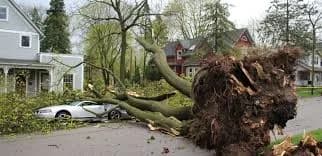
The Thanksgiving storm in the US brings severe flooding, flight delays, power outages and travel disruptions across the Midwest, East Coast and California.
A powerful Thanksgiving storm in the US has caused widespread flooding, flight cancellations, power outages and major travel disruptions across several parts of the country. Heavy rainfall, damaging winds and unusually high coastal tides have affected the Midwest, Northeast and West Coast, creating challenging conditions during one of America's busiest holiday travel periods.
More than 80 million Americans were expected to travel during Thanksgiving week, raising concerns about transportation delays and weather-related safety risks.
According to flight-tracking website FlightAware, 460 flights were cancelled across the United States on Thursday, while another 2,508 flights operating into, out of or within the country were delayed. The Federal Aviation Administration (FAA) had previously warned that rain and strong winds could cause flight disruptions throughout the holiday week. The cancellations and delays have created additional difficulties for passengers attempting to reach their destinations for Thanksgiving celebrations.
The storm has also caused significant damage to electricity infrastructure across several eastern states. By Thursday evening, more than 980,000 households were reporting power outages, with Pennsylvania, Virginia, Maryland and New Jersey among the hardest-hit areas.
Utility companies warned that restoring electricity could take several days in some locations because dangerous weather conditions were preventing repair crews from safely accessing damaged infrastructure. Pennsylvania Governor Josh Shapiro said utility providers were working to restore power, while energy companies in Virginia and New Jersey cautioned residents about potentially prolonged outages.
Heavy rainfall and powerful winds have also forced authorities to declare emergencies in parts of the eastern United States. New Jersey Governor Mikie Sherrill declared a state of emergency after several communities along the Jersey Shore experienced widespread flooding.
New York Governor Kathy Hochul also declared a state of emergency covering New York City, Long Island and Westchester County. Meanwhile, bridges were closed in Maryland because of severe winds, while powerful waves battered beaches in Delaware, causing water to spill onto coastal boardwalks.
The extreme weather has disrupted major public events and transportation services. New York City's annual Macy's Thanksgiving Day Parade was postponed until Saturday because of the dangerous weather conditions. Washington DC also experienced its wettest Thanksgiving on record, with rising tidal waters reaching the runways at Reagan Washington National Airport. In Maryland, a water utility asked almost two million customers to limit water usage to essential needs because of intermittent power disruptions affecting its operations.
While the eastern United States faced heavy rainfall and damaging winds, the West Coast experienced another weather threat from powerful Pacific storms and unusually high tides.
The National Weather Service (NWS) warned that coastal water levels in parts of California could exceed 8 feet (2.4 metres), potentially breaking records established just last month. San Diego and Los Angeles had already reported high tides exceeding 8 feet earlier in the week, prompting authorities to advise beachgoers to avoid vulnerable coastal areas because of possible flooding.
The coastal conditions have also affected rail transportation in California. Amtrak cancelled several trains operating along its Pacific Surfliner route because of washout conditions caused by high tides. Additional storms were forecast for the Pacific Northwest, including the Canadian province of British Columbia, bringing further concerns about rainfall, mountain snow and strong winds.
Travel disruptions were also reported at Miami International Airport following an incident involving a FedEx cargo aircraft. The plane overshot the runway while landing on Wednesday night, forcing the airport to temporarily close all but one runway. FedEx confirmed that the aircraft had experienced an issue during landing and stated that all crew members were safe, with no injuries reported. The company also confirmed that it was cooperating with investigating authorities. The incident occurred approximately 11 weeks after another cargo aircraft crashed during landing at the same airport, killing five people and injuring five others in vehicles on the ground.
The American Automobile Association (AAA) estimated that approximately 81.5 million Americans would travel at least 50 miles (80 kilometres) from home during the seven-day Thanksgiving holiday period. With millions of people travelling by road, rail and air, the widespread storm conditions have created additional pressure on transportation networks and public infrastructure. The combination of flooding, strong winds, coastal surges and electricity failures has made holiday travel particularly challenging across multiple regions.
The Thanksgiving storm in the US highlights the significant impact that extreme weather can have on transportation systems, electricity infrastructure and public safety. As authorities continue monitoring weather conditions, airlines, utility providers and transportation agencies are working to manage disruptions, restore essential services and ensure the safety of travellers during the busy holiday period.
Source : https://www.bbc.com/news/articles/ckm2mz3prq77o
Follow The Global Biz Insider for more such News .