Trump Administration Faces Legal Challenges, Cybersecurity Changes and Political Pressure in 2026
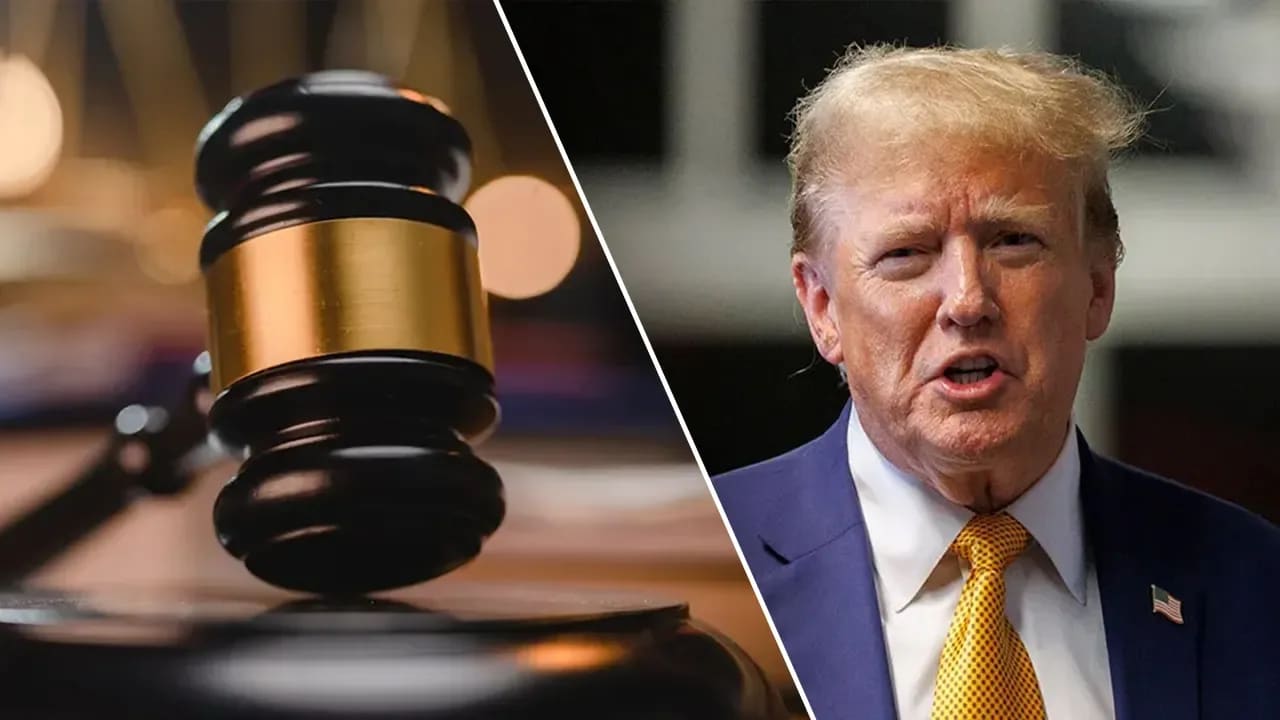
Explore the latest US political news as Trump faces controversy over Brooke Rollins's religious emails, Sean Cairncross's departure, the Alaska Senate dispute
The United States political landscape is facing renewed scrutiny as the Trump administration deals with legal challenges, government leadership changes, cybersecurity concerns and growing political tensions. Recent developments involving Agriculture Secretary Brooke Rollins, former National Cyber Director Sean Cairncross, and the Alaska Senate election have brought important questions about constitutional rights, government accountability and presidential authority into the national conversation.
These developments highlight the challenges facing Donald Trump's administration as it navigates a changing political environment following the 2026 midterm elections. From religious freedom in federal workplaces to cybersecurity leadership and election-related legal disputes, several major issues are shaping the latest US political news.
Brooke Rollins Religious Emails Spark Constitutional Debate
One of the most significant developments involves US Agriculture Secretary Brooke Rollins, whose religious messages sent to approximately 100,000 employees of the Department of Agriculture have been ruled unconstitutional by a federal judge.
The messages, which included Christian references and religious imagery, were distributed through her official government email account during occasions such as Easter, Christmas, Thanksgiving and Independence Day. The case raised concerns about the separation of church and state and the constitutional limits on religious expression by senior government officials.
Federal District Judge Trina Thompson ruled that the emails violated the Establishment Clause of the First Amendment. The court highlighted the power imbalance between a department secretary and federal employees, noting that workers might feel pressured to accept or identify with the religious beliefs expressed by their leadership.
The ruling has renewed discussions about religious freedom, government neutrality and the responsibilities of public officials. While individuals have constitutional rights to practise and express their faith, government institutions must avoid creating the impression that one religion is officially endorsed or preferred.
The Department of Agriculture criticised the decision, describing it as an unprecedented attempt to restrict a Cabinet secretary's expression. Officials indicated that the administration was considering an appeal, potentially setting the stage for further legal debate.
Sean Cairncross's Removal Raises Cybersecurity Concerns
Another major development in Washington involves the removal of Sean Cairncross from his position as the White House National Cyber Director. His departure came after a series of significant technology disruptions affected several important sectors, including air travel, banking and national security systems.
The incidents raised concerns about the security and reliability of America's digital infrastructure. With government agencies and private industries increasingly dependent on interconnected technology, cybersecurity leadership has become an essential part of national security.
According to reports, Cairncross's departure was supported by President Trump. Kirsten Davies, who previously served as the Department of Defense's Chief Information Officer, was appointed to take over the cybersecurity leadership position.
The leadership change has attracted attention because it comes at a time when the United States is facing growing cybersecurity challenges. Experts and lawmakers are likely to examine whether existing government security strategies are sufficient to protect critical infrastructure from technological failures and potential cyber threats.
Alaska Senate Election Dispute Takes a New Turn
The Trump administration has also moved to end its legal challenge involving Democrat Mary Peltola's victory in the Alaska Senate election. The dispute concerned the certification of the election results and the eligibility of a second candidate named Dan Sullivan.
The legal challenge attracted criticism because it raised questions about election procedures, political influence and the protection of democratic institutions. Following the election outcome and subsequent legal developments, the administration asked a federal appeals court to dismiss its lawsuit.
The decision represents an important development in the ongoing political debate surrounding election integrity and the peaceful transfer of political power. It also demonstrates how closely contested elections can become the subject of prolonged legal and political disputes in the United States.
Trump Returns From Asia Following High-Profile Meetings
President Donald Trump returned to Washington after attending the Asia-Pacific Economic Cooperation (APEC) summit in China, where he held discussions with Chinese President Xi Jinping and Russian President Vladimir Putin.
The trilateral meeting attracted international attention because of the geopolitical importance of the three countries. Discussions reportedly focused on international cooperation, energy supplies, diplomatic relations and global stability.
The United States, China and Russia also announced a joint peace declaration. However, the statement did not directly address the ongoing wars in Ukraine and Iran, raising questions about its practical significance and whether the agreement could lead to meaningful diplomatic progress.
The White House highlighted Trump's meetings with international leaders as an important diplomatic achievement. His return to Washington was followed by a scheduled press conference, where questions surrounding international relations, trade agreements and domestic political challenges were expected to feature prominently.
White House Highlights New Trade Agreements
Following Trump's visit to Asia, the White House presented reporters with information about what it described as historic trade agreements involving the Philippines and Thailand.
One of the highlighted agreements involved Philippine Airlines purchasing 20 Boeing 787 aircraft in a deal reportedly valued at $12 billion. The White House also highlighted increased imports of American goods into the Philippines.
These developments reflect the administration's efforts to strengthen economic relationships with Asian countries and expand opportunities for American businesses. Trade agreements are particularly important because they can influence employment, investment, manufacturing and international economic cooperation.
However, the long-term impact of these agreements will depend on their implementation, commercial outcomes and the ability of participating countries to maintain mutually beneficial relationships.
Political Challenges Following the Midterm Elections
The developments come against the backdrop of significant political changes following the 2026 US midterm elections. Democrats secured control of both chambers of Congress, creating a new political environment for the Trump administration.
The election results have increased pressure on Republican leadership and raised questions about the administration's ability to advance its legislative priorities.
Trump responded to criticism surrounding the Republican electoral losses by arguing that he had not personally been on the ballot. Meanwhile, Republican lawmakers are facing the challenge of completing their legislative agenda during the remaining weeks of the congressional session.
The changing balance of power in Washington could influence future debates over government spending, foreign policy, immigration, economic reforms and executive authority.
What These Developments Mean for American Politics
The latest developments demonstrate how several different issues can shape the direction of American politics simultaneously. The legal dispute involving Brooke Rollins highlights the importance of constitutional protections and religious neutrality in government institutions. The departure of Sean Cairncross raises concerns about cybersecurity preparedness, while the Alaska Senate dispute reinforces the importance of transparent election procedures.
At the international level, Trump's meetings with Xi Jinping and Vladimir Putin demonstrate the continuing importance of diplomacy and economic cooperation in addressing global challenges.
Meanwhile, the midterm election results indicate that the political balance in Washington is changing, potentially making cooperation between the executive and legislative branches more difficult.
As the administration moves forward, its response to legal challenges, government accountability and national security concerns will remain important indicators of its political direction.
Conclusion
The latest US political developments reflect a challenging period for Donald Trump's administration. From the constitutional controversy surrounding Brooke Rollins's religious emails to the cybersecurity leadership changes involving Sean Cairncross, each issue highlights important questions about government responsibility and public trust.
The administration's diplomatic engagement with China and Russia, its efforts to strengthen trade relations with Asian countries and the legal developments surrounding the Alaska Senate election further demonstrate the wide range of challenges facing Washington.
With Democrats preparing to take control of Congress, the coming months could bring significant political debates and policy changes. The way the Trump administration responds to these developments will play an important role in shaping the future of American politics.
Source: https://www.theguardian.com/us-news
Follow: Global Biz Insider